
Gardening Jobs in November: A Practical UK Garden Checklist
What to do in a UK garden in November, from autumn planting and pruning to preparing soil, borders and lawns for colder weather.

Find useful, straightforward advice on bulbs, pruning, fruit, lawns, soil, greenhouses and everyday gardening jobs.

Find the job you need help with, and get straight to the practical advice.
What to do in a UK garden in November, from autumn planting and pruning to preparing soil, borders and lawns for colder weather.

Protect vulnerable garden plants from frost with sensible fleece use, containers, shelter and advice for different UK winter conditions.

What can you sow in November in the UK? Practical guidance for broad beans, garlic, overwintering onions, protected crops and indoor microgreens.

What should you do to your lawn in November? UK advice on mowing, fallen leaves, moss, drainage, lawn feed and what to leave until spring.
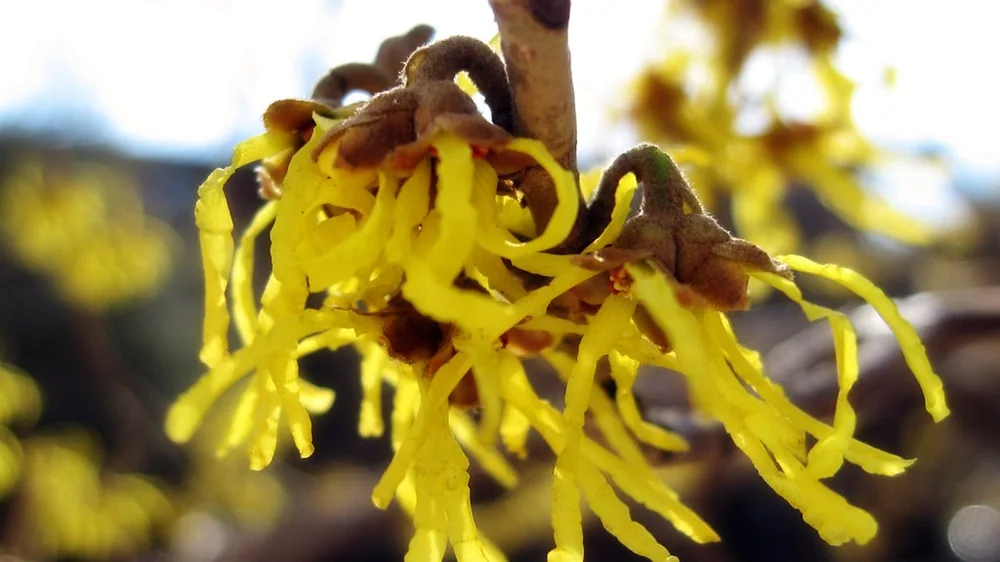
Choose winter flowering shrubs for UK gardens, from scented viburnum and witch hazel to mahonia, sarcococca and winter jasmine.
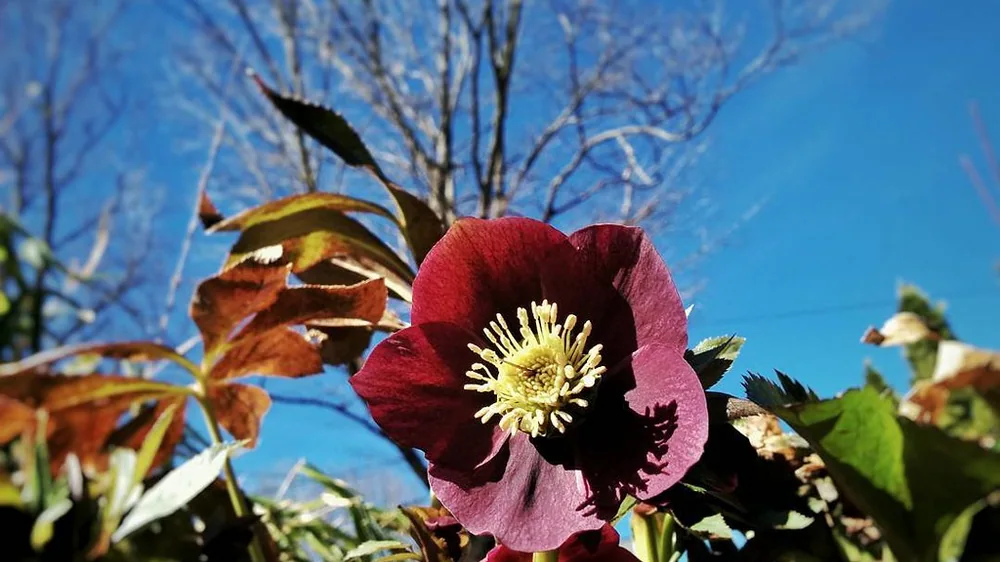
Discover reliable winter-flowering perennials for UK gardens, including hellebores, cyclamen, bergenias and winter irises, with where and when to plant them.

The best winter bedding plants for UK gardens, from pansies and violas to primroses, wallflowers and bellis, with planting times and easy-care advice.

Discover the best winter plants for outdoor pots in the UK, including hellebores, skimmia, heuchera, ferns, bulbs and pansies, plus simple care tips.

Build a winter hanging basket that looks good in the UK. The best hardy plants, easy planting ideas, drainage, watering and frost care explained.

Frost has blackened your plants? Learn which plants may recover, when to cut damaged growth, what to do with pots and why it's worth waiting until spring.

Protect garden pots from winter frost with UK advice on insulation, drainage, sheltered positions and preventing cracked containers.

Protect plants from strong winds with practical UK advice on permeable screens, hedges, staking, pots, wind scorch and storm preparation.

Keep banana plants safe through a UK winter. Learn which Musa can stay outside, how to wrap stems, protect roots and store tender Ensete plants frost-free.

Do hydrangeas need winter protection? Learn how to protect flower buds, care for potted plants and avoid pruning mistakes in UK gardens.
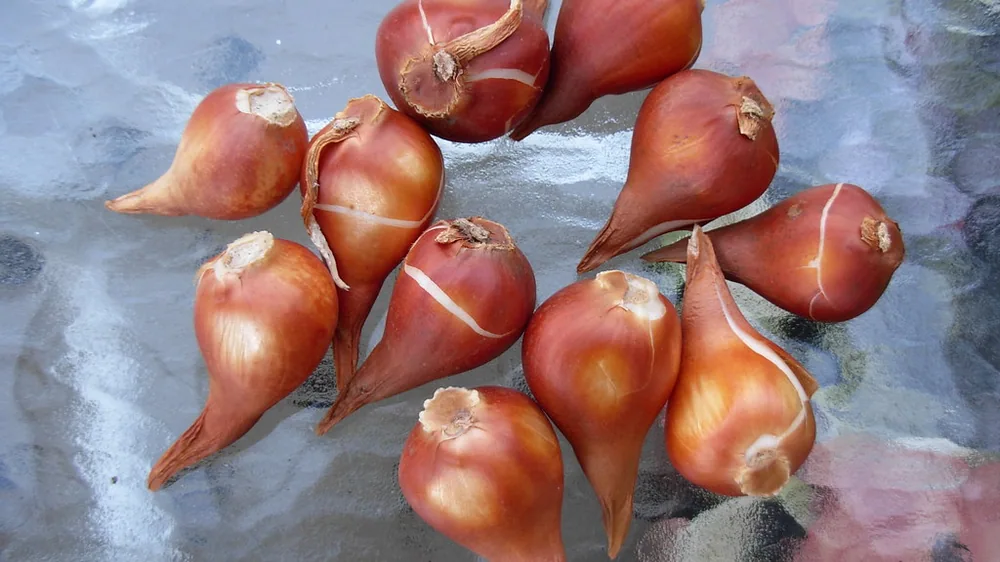
The right time to plant tulips in UK gardens, how deep to put the bulbs and how to grow strong spring flowers in borders and pots.

Which flower bulbs can you plant in December, January or February? UK advice on late tulips, lilies, snowdrops in the green and bulbs best left until spring.

Tulips disappearing from your borders? Learn how to recognise mouse and vole damage to bulbs, protect new plantings and avoid unreliable deterrents.
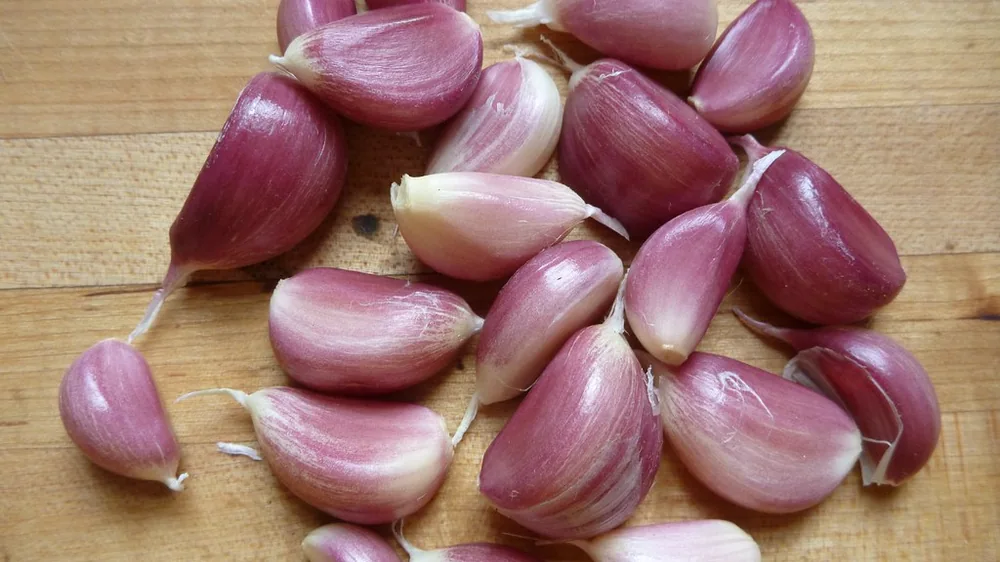
Find out when to plant garlic in the UK, how deep to set cloves, which varieties to choose, and when to harvest and store your crop.
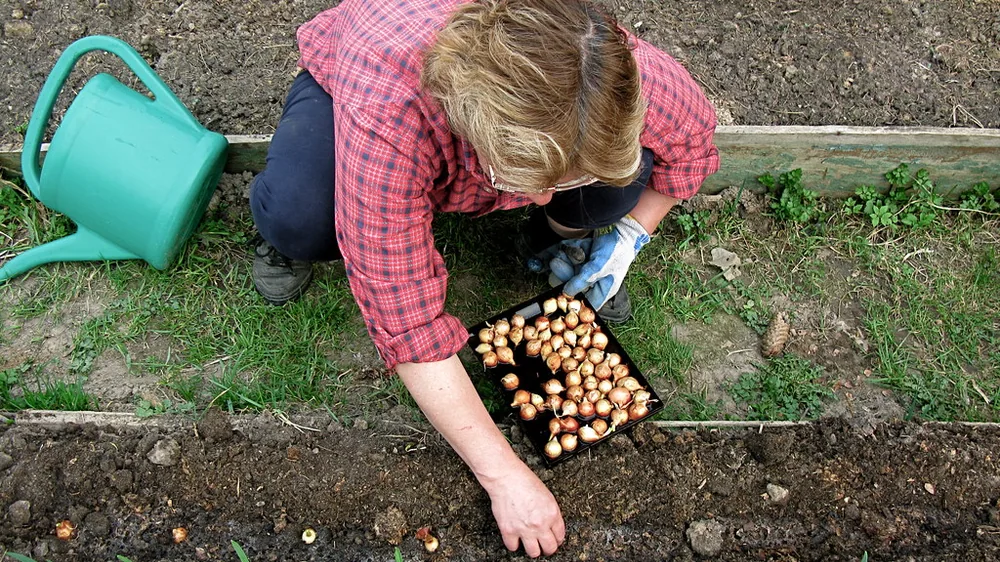
Learn how to grow overwintering onions in the UK, when to plant autumn sets, spacing, drainage, winter care, bolting and when to harvest.

Find the best time to sow broad beans in the UK, how deep and far apart to plant them, which varieties suit autumn and how to avoid common problems.
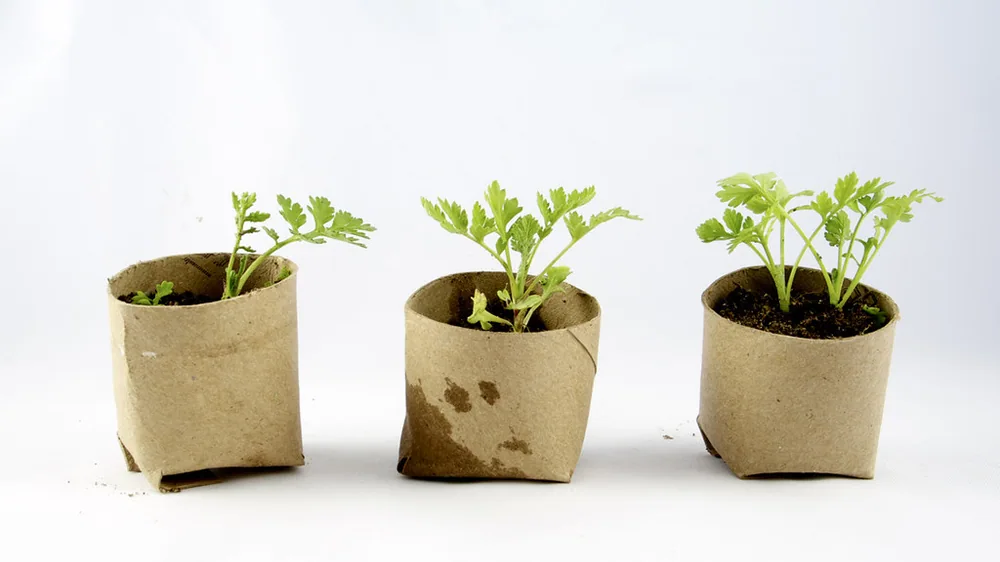
Find the right time to start tomatoes, chillies, courgettes, sweet peas and more indoors in the UK, with advice on light, warmth and planting out.

Should you dig up dahlias for winter? A practical UK guide to lifting, drying and storing tubers, leaving them in the ground and restarting in spring.

Learn how to keep geraniums and pelargoniums through a UK winter, from taking cuttings to frost-free storage and watering.

Learn how to overwinter fuchsias in the UK, including hardy garden plants, tender basket fuchsias, frost-free storage, pruning and spring care.

Keep chilli plants alive through a UK winter with advice on bringing them indoors, pruning, light, watering, pests and restarting growth in spring.

A practical UK guide to November pruning: apples, pears, roses, deciduous shrubs and hedges, plus plants you should not cut back in winter.
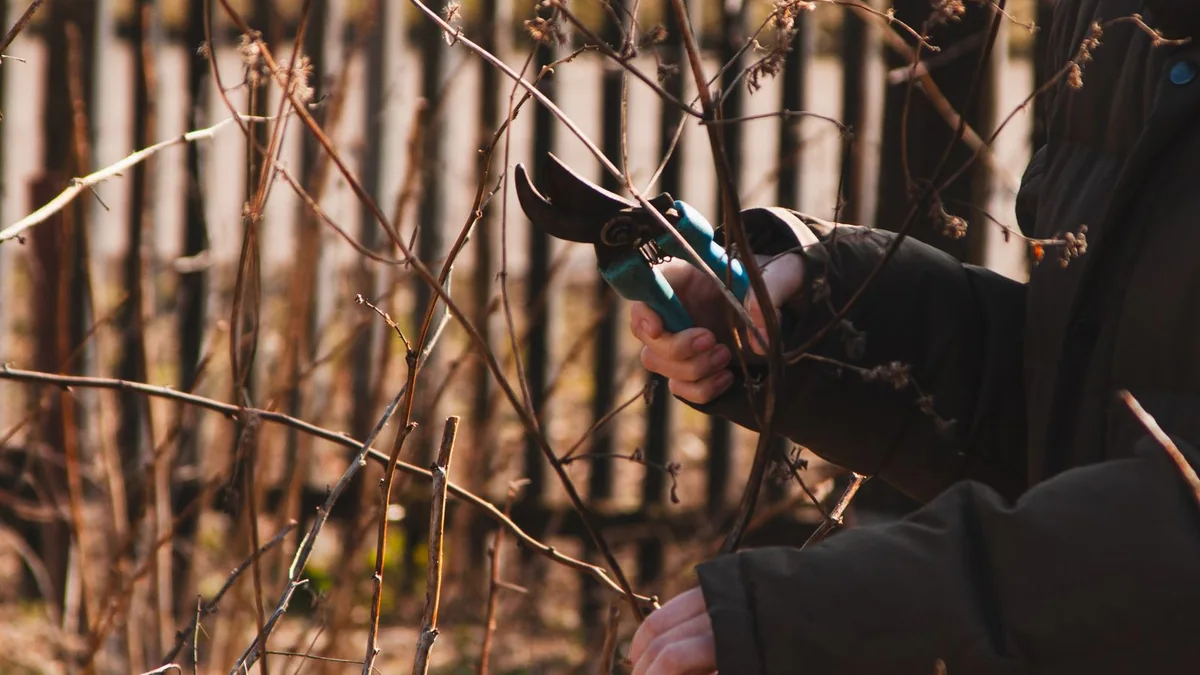
Which garden shrubs can you prune in winter in the UK? Learn when to cut buddleja, dogwood, forsythia and evergreens without losing flowers.

Learn when to prune apple trees in the UK, what branches to remove, how much to cut, and why cordons, espaliers and young trees need different care.

Find out when to prune a pear tree in the UK, including free-standing Conference pears, trained espaliers, summer pruning and mistakes to avoid.

Find out when to prune plum trees in the UK, why winter pruning is risky, and how to manage young, established and overgrown trees safely.

Find out when to prune gooseberry bushes in the UK, how to open up crowded branches, and why cordons and fans need a different routine.

Learn when and how to prune blackcurrant bushes in the UK, which old stems to remove, how to restore neglected plants and mistakes to avoid.

Find out when to prune grape vines in the UK, why early winter matters, and how cordon and Guyot training differ for greenhouse and outdoor grapes.

Find out when to prune climbing roses in the UK, how to cut flowered side shoots, train new stems, and rescue an overgrown rose without losing its framework.
When should you prune wisteria in the UK? Follow the two-prune routine: summer shoots to 5–6 leaves and winter shoots to 2–3 buds, plus training advice.

Learn when and how to prune bush roses in the UK, including hybrid teas, floribundas and shrub roses, with practical cuts and mistakes to avoid.

Plant bare-root roses at the right depth, choose a good site, avoid waterlogging and help new roses establish in a UK garden.

Can you lay turf in winter? UK guidance on frozen and wet soil, preparing the ground, laying fresh turf, watering and when your new lawn will root.

Find out whether grass seed will grow in winter in the UK, why soil temperature matters, when to wait until spring and how to prepare for a better lawn.

Is your lawn a muddy mess each winter? Find the cause, reduce damage now and learn when to aerate, improve drainage and reseed in spring.
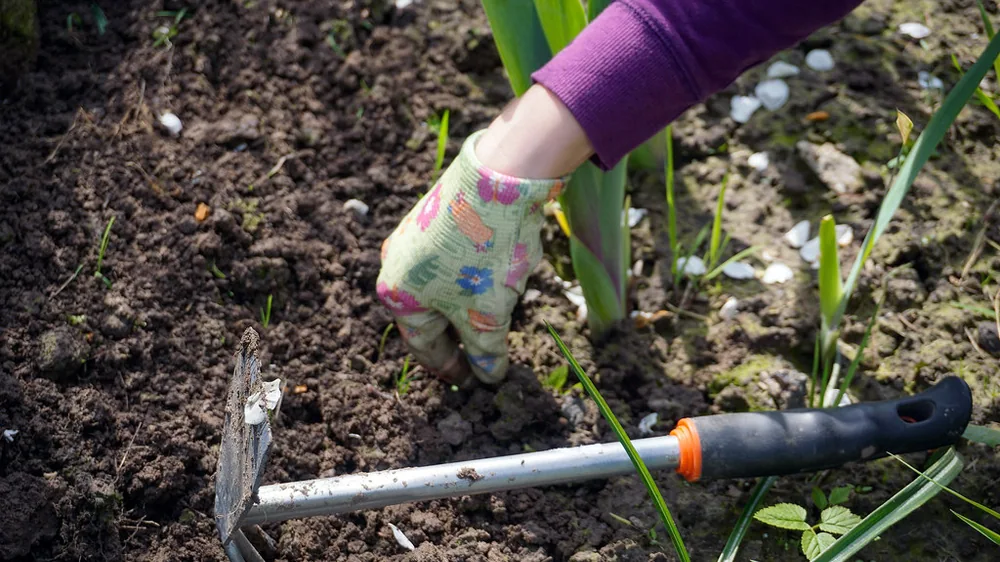
Get garden beds ready for spring without wrecking wet soil. A UK guide to clearing weeds, adding compost, preparing seedbeds and checking drainage.

Yes, winter can be a great time to mulch. Learn when to spread compost, leafmould or bark in UK borders, how thick to apply it and when to wait.
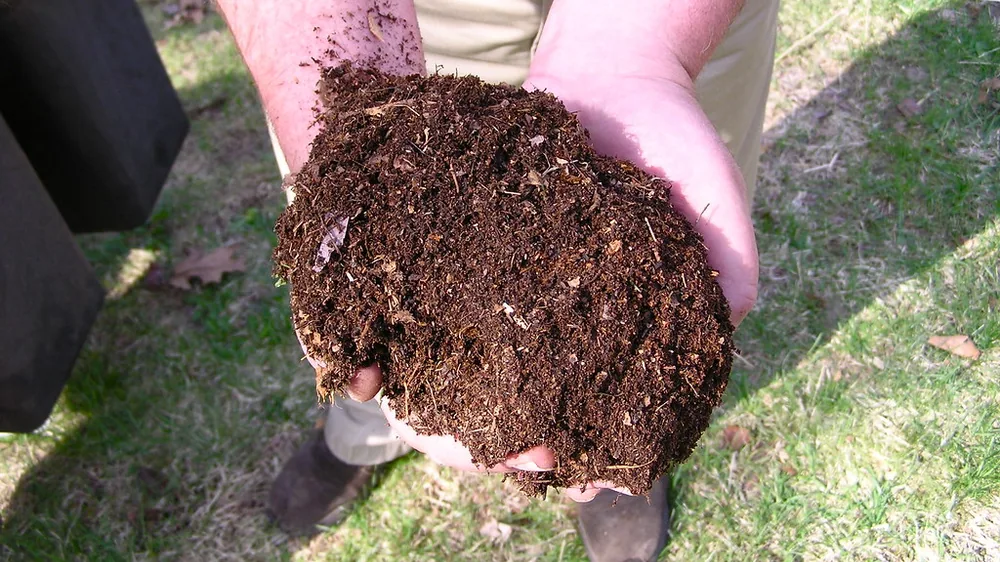
Can you compost in winter? Learn why heaps slow down in cold weather, how to balance green and brown waste, prevent soggy compost and care for a wormery.

What can you grow in an unheated greenhouse in winter? UK advice on winter salads, spinach, broad beans, pea shoots and keeping crops healthy in the cold.
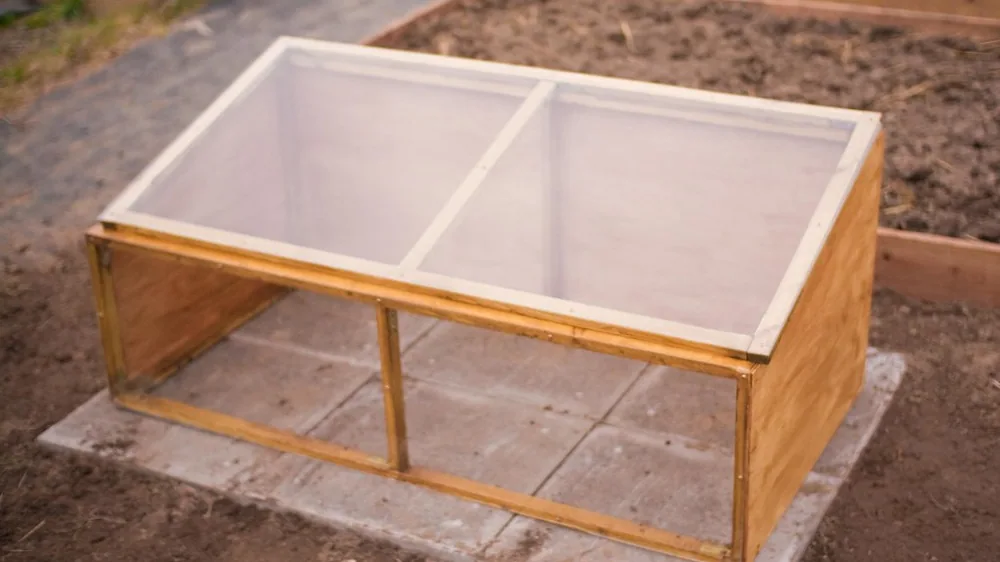
Learn how to use a cold frame in winter, including suitable plants, ventilation, watering, frost protection and the difference from an unheated greenhouse.
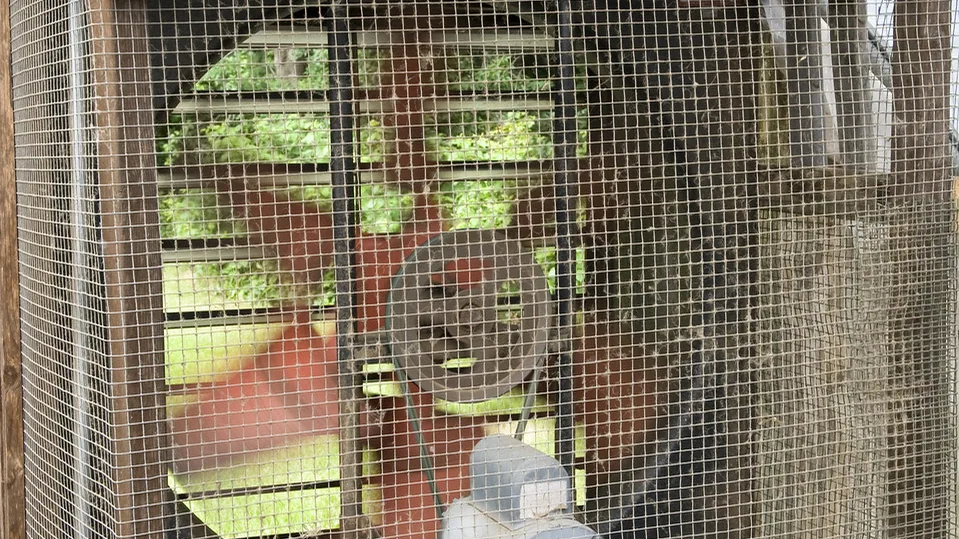
Should you open greenhouse vents in winter? Learn how to manage condensation, grey mould and cold nights in an unheated UK greenhouse.

Can you keep a greenhouse warm without mains electricity? Realistic UK advice on insulation, thermal mass, mini-tunnels and frost protection.

Tiny black flies around your houseplants in winter? Learn how to identify fungus gnats, deal with damp compost and use traps or biological controls.

White powder on cucumber or courgette leaves? Identify greenhouse powdery mildew, understand why it appears and learn practical, low-chemical ways to manage it.
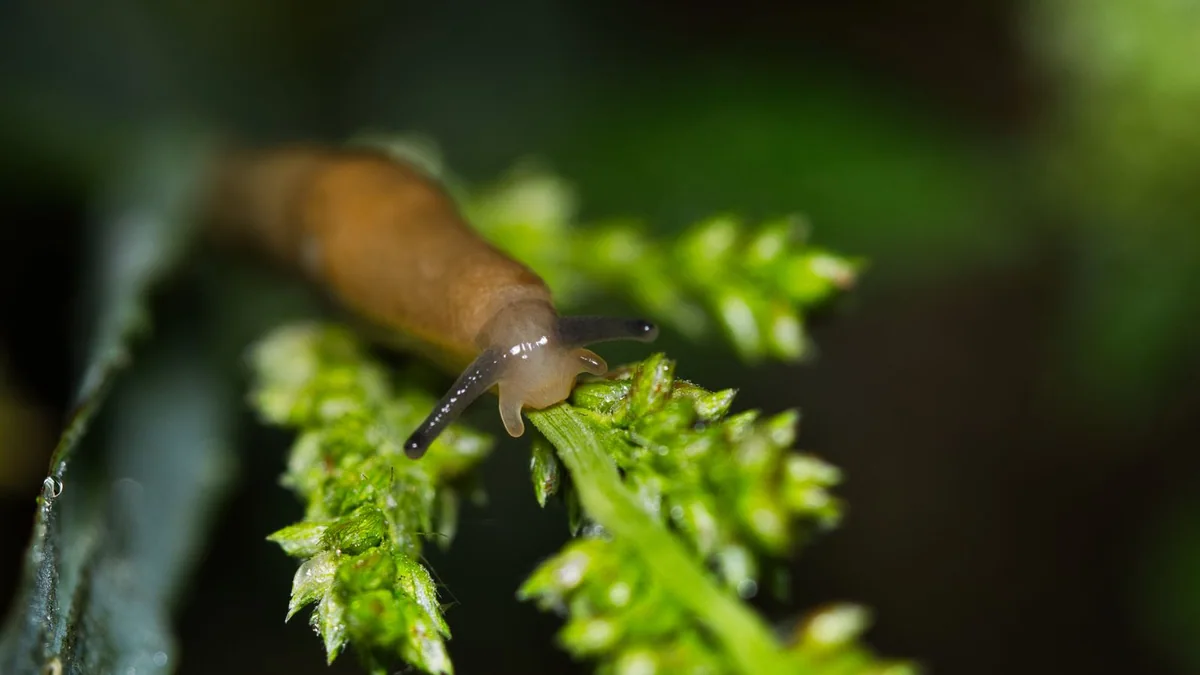
Do slugs disappear in winter? Learn where they hide, how mild weather affects damage, which seedlings are vulnerable and what control actually helps.

Learn when and how to use horse, cow and chicken manure in UK gardens, where to spread it, how much to use and what to avoid on vegetables.

Find the best soil pH for common UK vegetables, including potatoes, brassicas and tomatoes, and learn when to test or adjust your soil.

Why isn't your compost heating up? Diagnose a cold compost bin or tumbler and fix moisture, airflow, material balance and heap size in a UK garden.

Turn autumn leaves into free garden compost or leafmould. Step-by-step UK advice on shredding, moisture, storage, mixing leaves and when to use the result.

Improve clay, sandy or tired garden soil naturally with compost, mulch, better drainage and simple tests. A practical UK plan without unnecessary products.

Learn when to turn a compost heap, how to turn it safely, and what to do if it's too wet, dry or cold. Practical advice for UK garden compost bins.

Find the best trees for pots in UK gardens, including Japanese maples, bay, olives and fruit trees. Choose the right tree, pot size and position.

Find out when to repot houseplants, how much bigger the new pot should be and how to avoid root damage, overwatering and transplant shock.

Discover houseplants that tolerate darker UK rooms, including aspidistra, ZZ plant and parlour palm. Learn where to place them and how to water in winter.

Grow lettuce, rocket and mixed salad leaves indoors in pots or trays. UK guide to sowing, light, watering, harvesting and growing through winter.

December gardening jobs for UK gardens: fruit pruning, bare-root planting, winter crops, frost protection, lawns and greenhouse care.
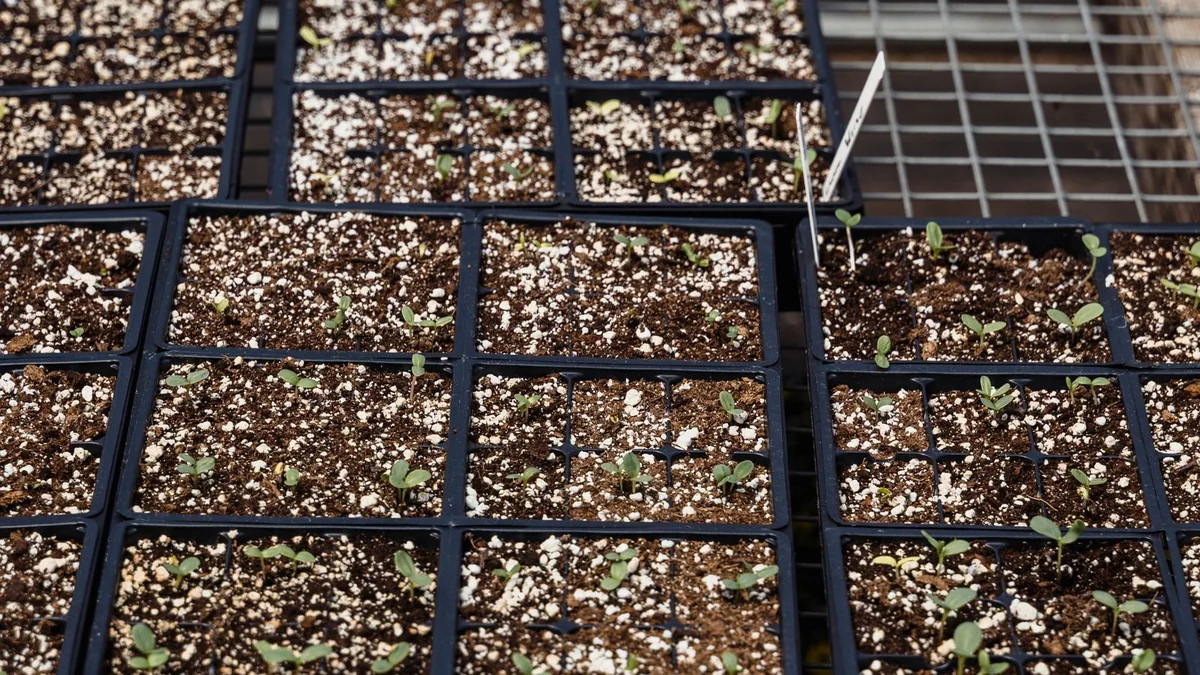
What can you sow or plant in December? UK advice on hardy broad beans, garlic, bare-root fruit, indoor microgreens and what to leave until spring.

Bring colour and scent to a UK garden in December with reliable winter-flowering shrubs, climbers, hellebores, heathers and container plants.
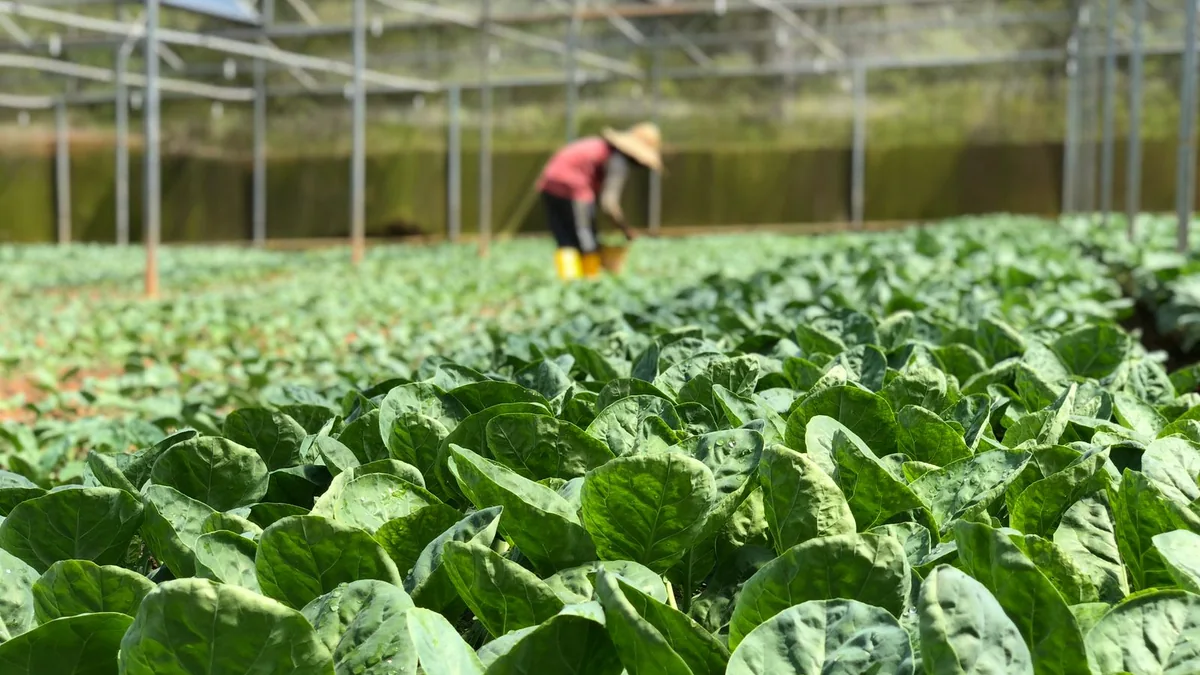
Grow winter lettuce in the UK with the right varieties, autumn sowing times, greenhouse or cloche protection and practical advice on harvesting.

Which flowers help bees in winter? Choose mahonia, winter heather, honeysuckle, hellebores and other plants for nectar from November to March.
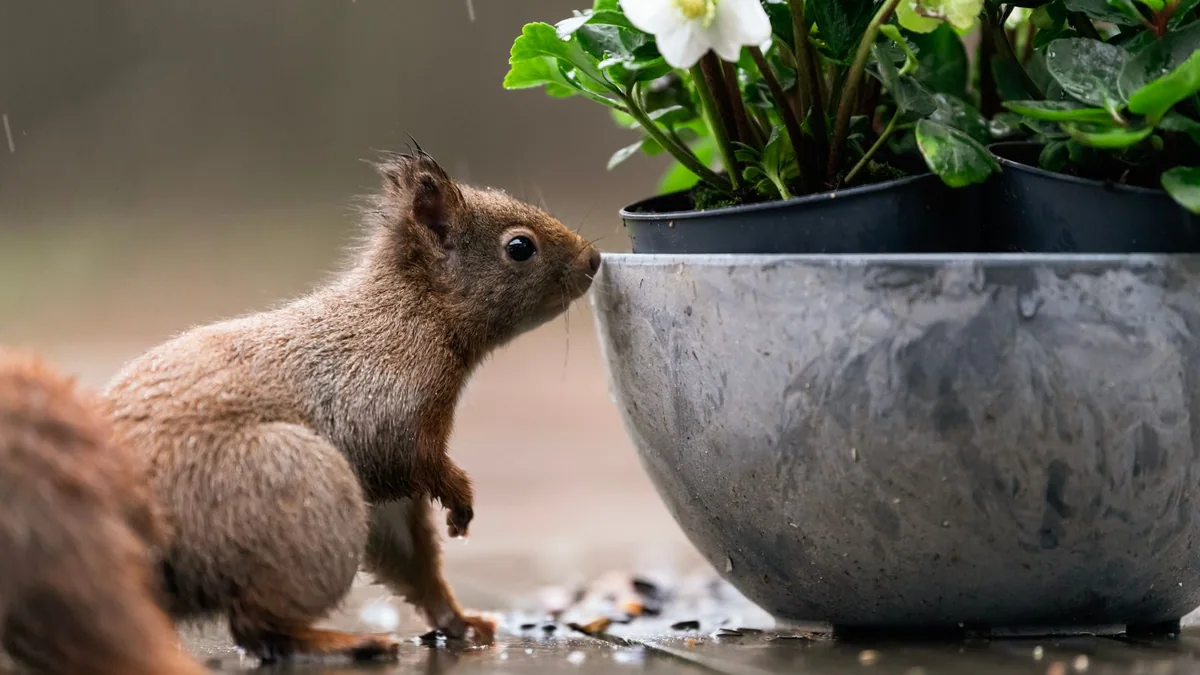
Stop squirrels digging up tulip and crocus bulbs with secure wire covers, protected planting and practical ways to keep pots safe through winter.

Pigeons stripping kale, cabbages and sprouts? Learn how to protect brassicas with safe mesh covers, spot damage and help plants recover.

Rose black spot in winter? Learn how to clear infected leaves, deal with stem lesions, protect new spring growth and avoid unnecessary pruning or spraying.
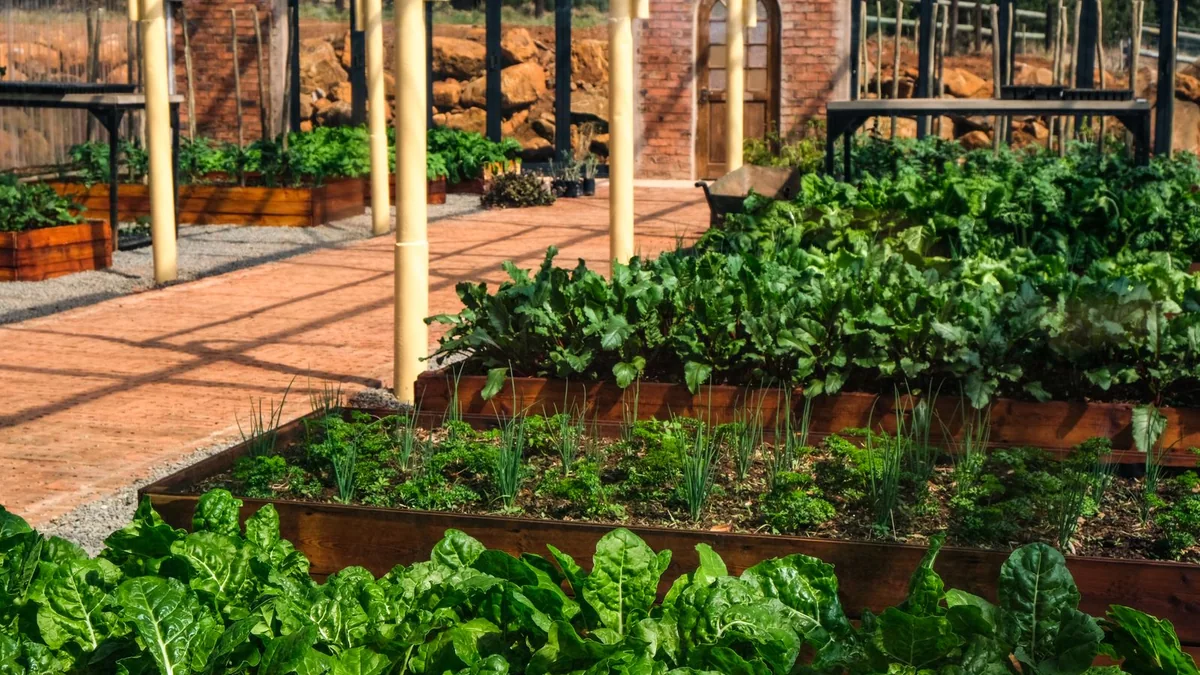
Grey mould, damp compost or green algae in a winter greenhouse? Identify the problem, clean affected areas and improve ventilation without chilling plants.

Waterlogged garden after winter rain? Find the cause, protect roots, avoid clay soil damage and choose drainage improvements that actually work.

The January gardening jobs worth doing in the UK, from fruit pruning and bare-root planting to greenhouse care, soil protection and winter harvests.

What can you sow in January in the UK? Practical advice on onions, broad beans, sweet peas, salad leaves and early chillies, plus what should wait.

What can you prune in January? A UK guide to apple and pear trees, wisteria, currants, roses and plants you should leave until later.

Discover UK plants that flower in January, from snowdrops and cyclamen to witch hazel, hellebores and scented winter shrubs, with planting tips.

January lawn care in the UK: when to mow, what to do about moss, muddy patches and frost damage, and which jobs should wait until spring.

Snow forecast for your garden? Protect evergreen branches, pots, greenhouses and winter vegetables without damaging plants or compacting wet soil.

Yellow leaves and wet compost in winter? Learn to recognise root rot in houseplants and pots, fix drainage and decide when repotting can help.

February gardening jobs for UK gardens: bare-root planting, seed potatoes, greenhouse preparation, winter pruning, soil care and early vegetables.

What seeds can you sow in February in the UK? Practical indoor, greenhouse and outdoor choices, plus crops to delay until warmer weather.

February pruning in the UK: which roses, buddleias, hydrangeas, clematis and fruit plants to cut back, plus those you should leave alone.

Eleven plants that can flower in February in UK gardens, including dwarf iris, crocus, snowdrops, hellebores and scented winter shrubs.

February lawn care in the UK: first mowing, moss, wet ground, turf repairs and when to start preparing for spring reseeding.

Harden off seedlings before planting outside with a simple UK schedule, cold-frame instructions and advice for tomatoes, beans and hardy vegetables.

Grow more lavender from cuttings: the best UK months, how to select shoots, rooting compost, aftercare and why cuttings sometimes fail.

Plant daffodil bulbs in early autumn for reliable spring flowers. Learn the best UK planting month, depth, pot planting and what to do with late bulbs.

Set up a UK allotment without getting overwhelmed: assess weeds, paths, soil, water, rules, realistic first crops and seasonal jobs in your first year.

Start a balcony garden in the UK with sensible plant choices, lightweight containers, wind protection, drainage and essential weight-safety checks.
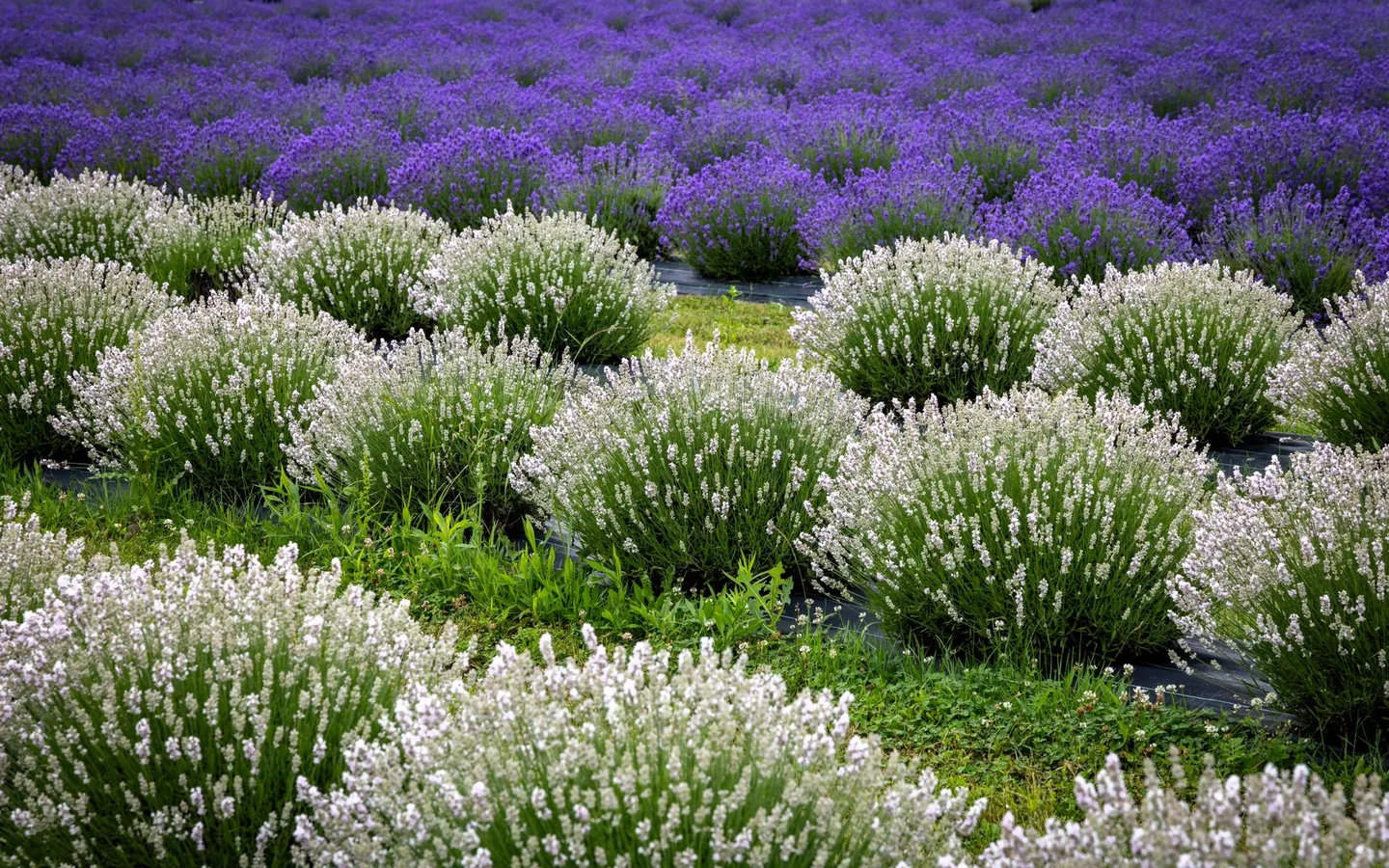
Choose drought-tolerant UK perennials, shrubs and herbs for sunny free-draining borders. Includes establishment watering and winter drainage tips.

Discover plants for east-facing UK gardens that receive morning sun and afternoon shade, with choices for borders, shrubs, containers and frost protection.

Choose plants for west-facing UK gardens with afternoon sunshine, reflected heat and dry soil. Includes flowering perennials, shrubs, pots and shade edges.

Choose shrubs that thrive in pots in UK gardens, from compact evergreens to flowering hydrangeas. Compare sun, shade, pot sizes and winter care.

Black spots on rose leaves? Learn how to identify rose black spot, clear infected leaves, improve airflow and reduce repeat infections.

Brown leaf tips, edges or patches? Identify drought, scorch, frost, root problems and disease on outdoor garden plants before deciding what to do.

Improve drainage in plant pots with the right holes, compost and watering. Learn why stones at the bottom aren't a cure and how to fix a soggy pot.

Start container gardening with the right pots, compost and beginner-friendly plants. A practical UK guide to planting, positioning and aftercare.
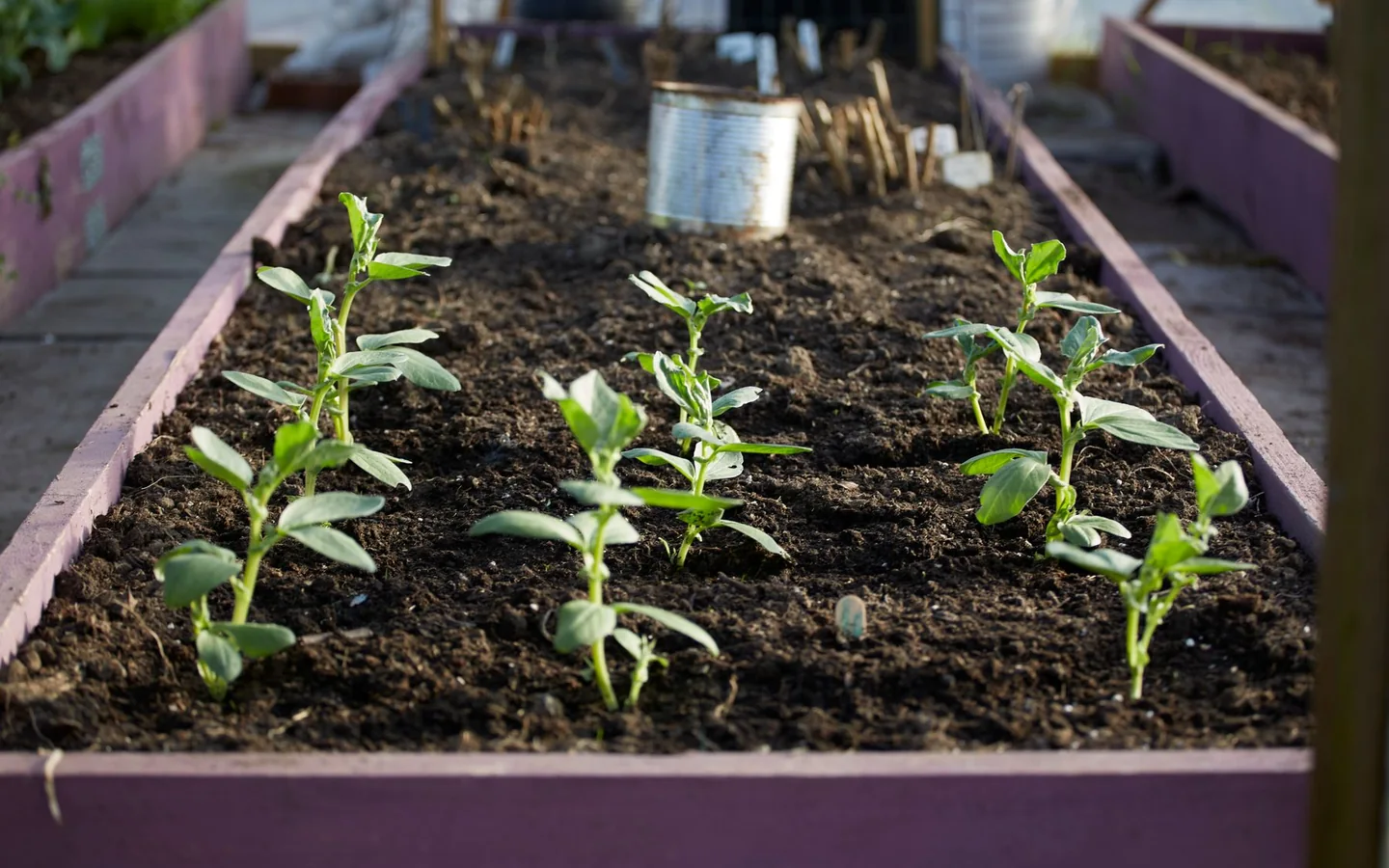
Build a sturdy timber raised bed with sensible dimensions, safe fixings, ground preparation and enough soil. Includes drainage and material choices.

Start a UK wildflower meadow from seed or convert a lawn: choose annual or perennial species, prepare weed-free ground, sow correctly and manage year one.

Diagnose standing water, compacted clay and runoff before fixing a waterlogged UK garden. Compare aeration, raised beds, rain gardens and drainage.

Remove couch grass from borders and lawns by lifting underground rhizomes, repeated regrowth control and careful replanting without spreading the weed.

Remove ground elder from borders and beneath hedges with careful rhizome lifting, repeated regrowth removal and sensible disposal methods.

Grow a potted lemon tree in the UK with practical advice on summer light, winter shelter, watering, citrus feed, pruning and fruiting.
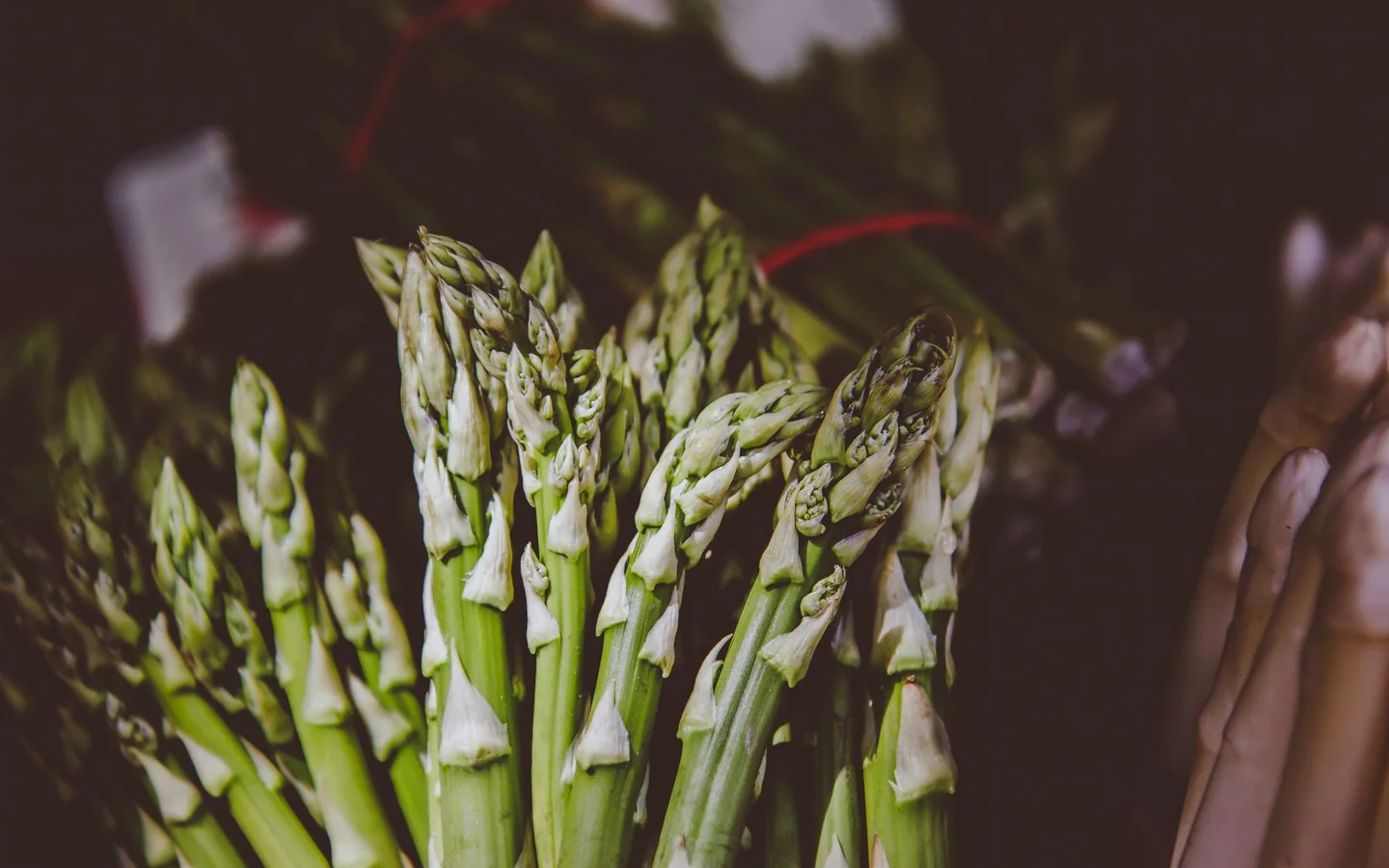
Start an asparagus bed in the UK: choose crowns or seed, plant at the right depth, manage weeds and learn when spears can safely be harvested.

Grow azaleas successfully in UK gardens and pots with acidic soil, sheltered light, correct watering, mulch and pruning after flowering.

Learn how to grow basil in pots in the UK, from sowing and supermarket plants to sun, watering, pinching out, harvesting and winter limits.

Grow broccoli in UK gardens, comparing quick calabrese with purple sprouting types. Includes sowing windows, spacing, pigeon protection and harvesting.

Grow Brussels sprouts in UK gardens from spring seed to winter harvest with firm soil, wide spacing, netting, wind support and tips for tight sprouts.
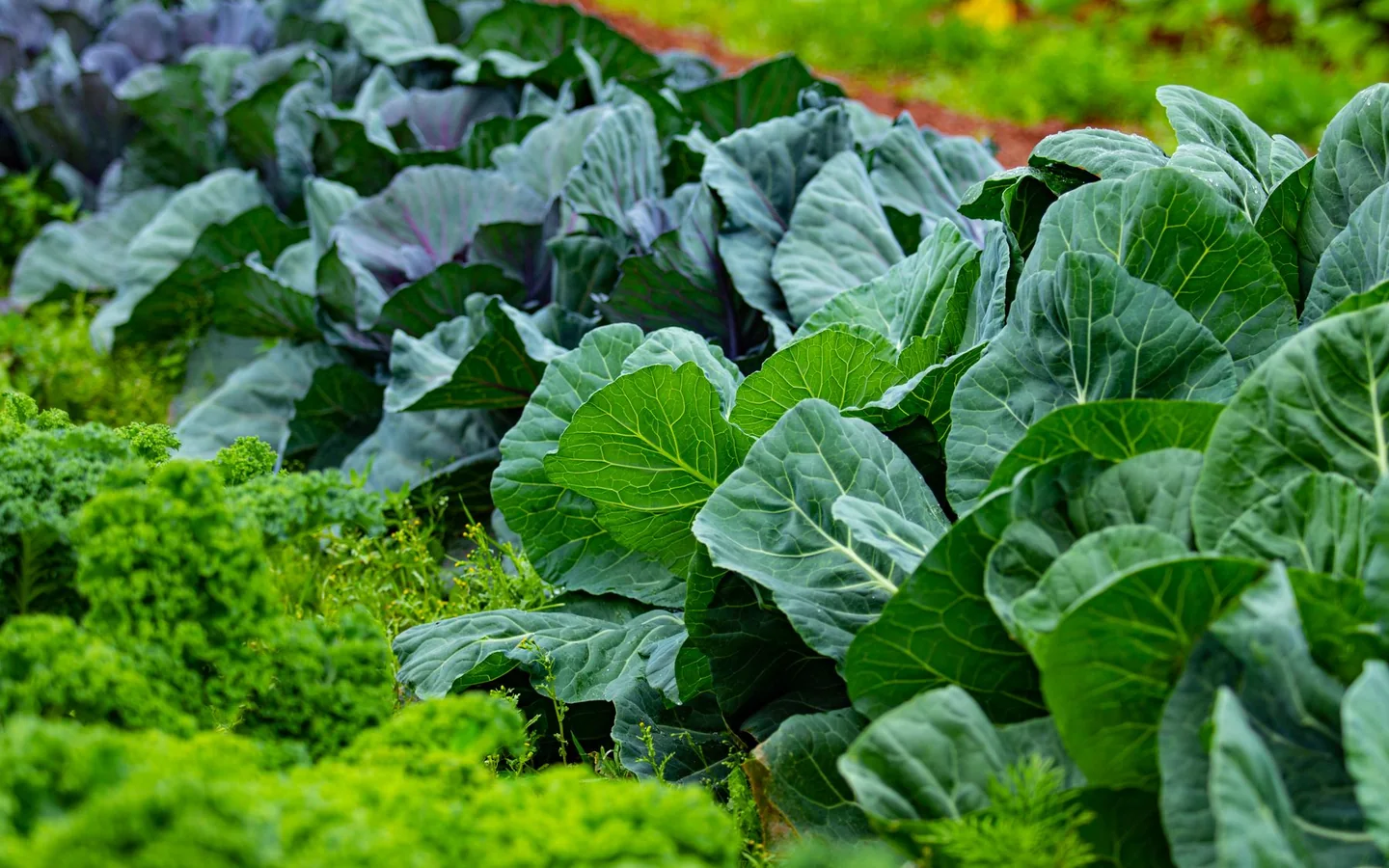
Grow cabbage in UK gardens year-round with spring, summer, autumn and winter varieties, firm planting, crop spacing, fine mesh and timely harvesting.

Grow camellias in UK gardens or pots with acidic soil, sheltered light, summer watering and sensible pruning. Prevent yellow leaves and bud drop.

Learn to grow celery from seed in UK gardens: warm sowing, frost-safe planting, consistent watering, self-blanching stems and harvest timing.

Grow clematis on fences, trellis or in pots with the right planting depth, watering, support and pruning group. UK beginner growing guide.
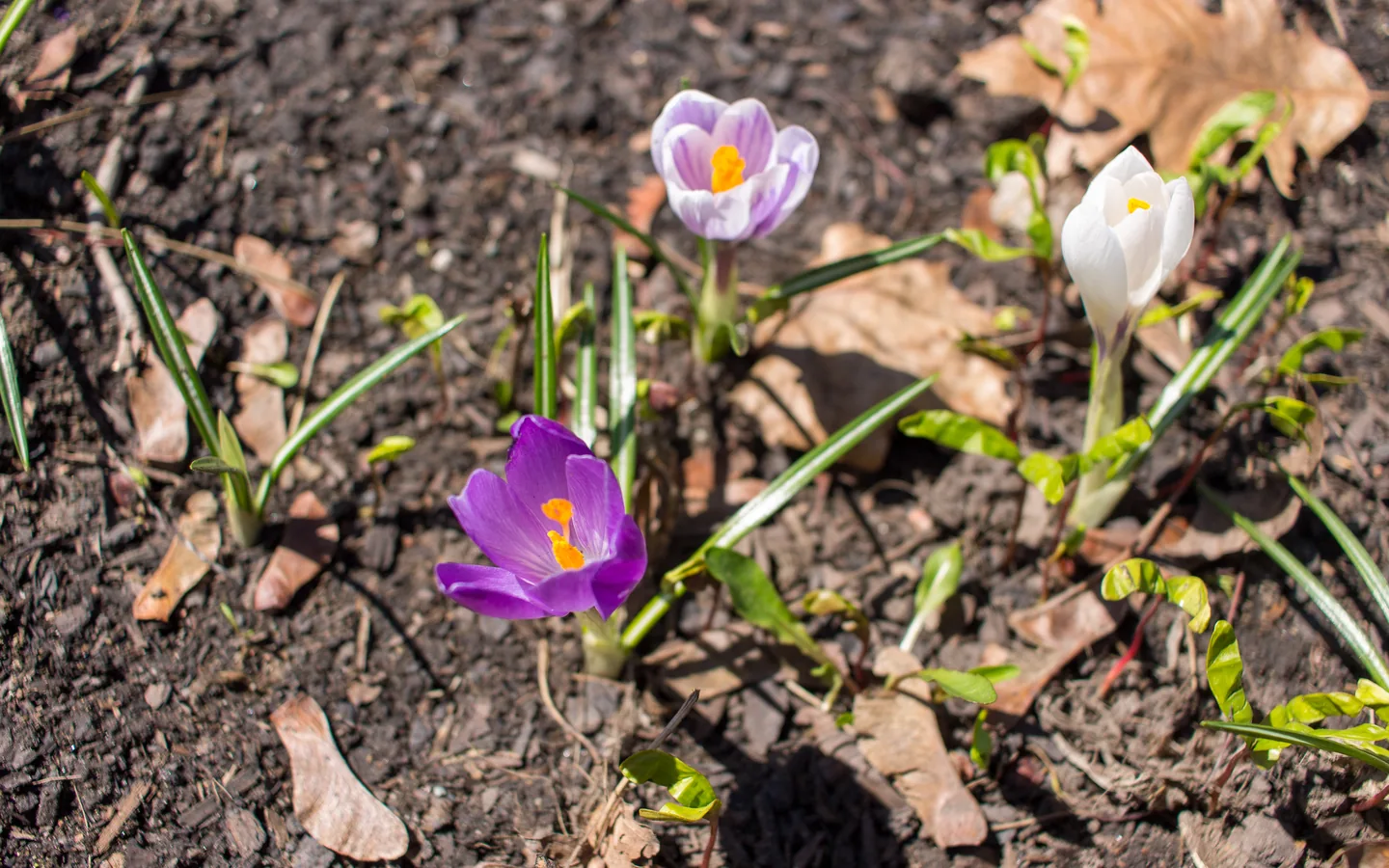
Grow crocus flowers in UK lawns, pots and borders. Learn autumn planting depth, spring versus autumn-flowering types, aftercare and squirrel protection.
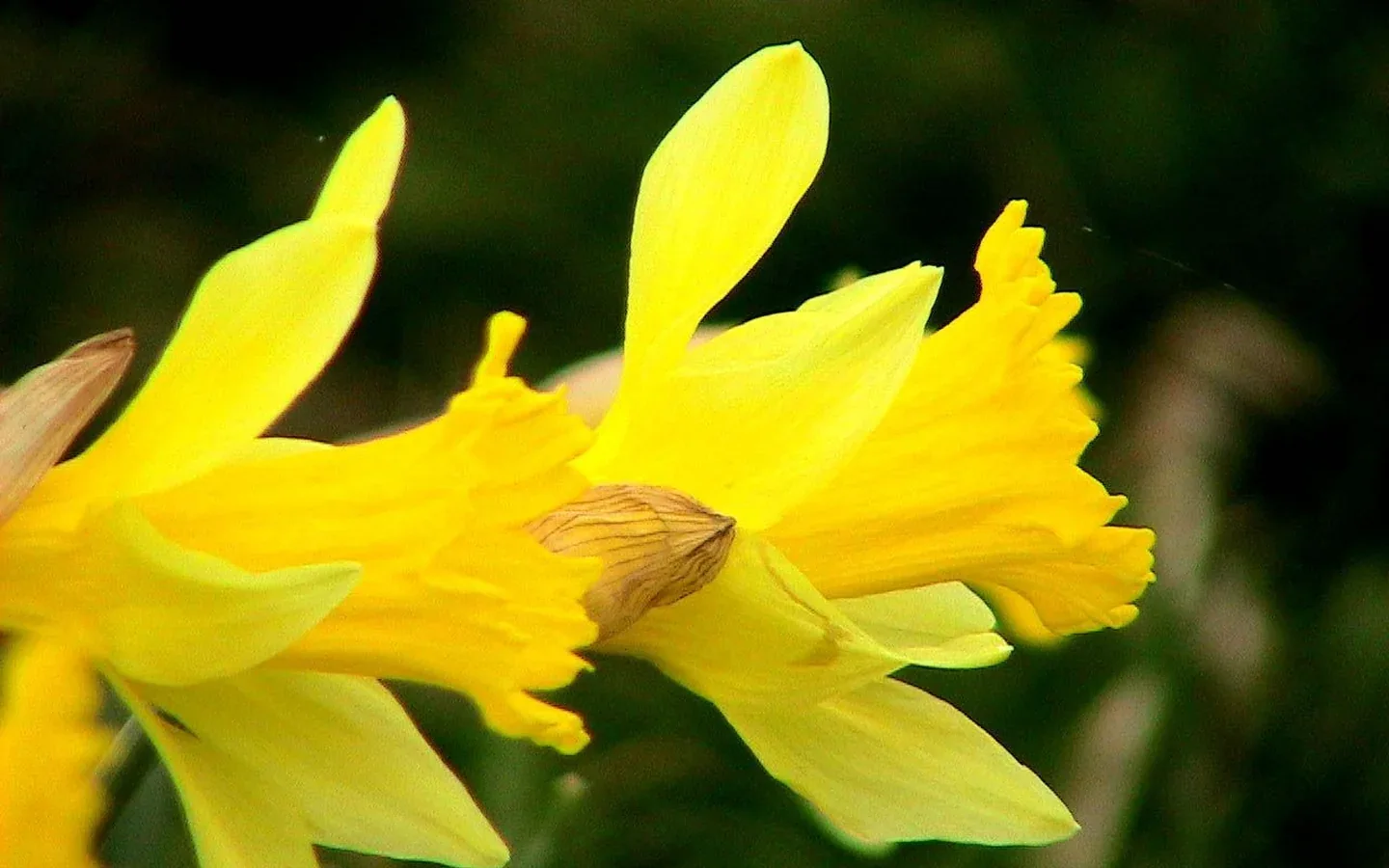
Plant daffodil bulbs in outdoor pots for spring flowers. Choose dwarf varieties, correct depths, free-draining compost and after-flowering care in the UK.

Start dahlia tubers in spring, plant out safely after frost and care for strong summer flowers. UK guide to planting depth, support and feeding.

Grow perennial delphiniums in the UK with seed sowing, sunny planting, staking, feeding, slug protection and after-flowering care.

Grow hardy or tender fuchsias in UK gardens, pots and baskets. Practical planting, pinching, watering, feeding and overwintering guidance.

Grow colourful bedding geraniums in UK pots and borders. Learn planting, sun, watering, deadheading, cuttings and frost-free winter care.

Plant gladioli corms in the UK for tall summer flower spikes. Learn planting depth, timing, watering, staking, pots and winter storage.

Grow hellebores in UK borders and pots with the right shade, planting depth, drainage, leaf care and division. Includes flower and safety advice.

Grow hydrangeas in UK gardens with the right site, planting, watering, mulch and pruning. Learn how mopheads, lacecaps and paniculatas differ.

Grow kale in UK beds and pots, from sowing and spacing to caterpillar protection, watering and picking leaves through autumn and winter.

Grow lavender in UK beds or pots with the right sun, drainage, spring planting, watering and pruning. Avoid common reasons lavender fails.

Grow leeks from seed in UK beds, with March–April sowing, transplanting 20cm seedlings, deep dibber holes, blanching and winter harvesting.

Grow tall colourful lupins from plants or seed in the UK. Learn where to plant, watering, staking, aphid and slug control, and winter care.
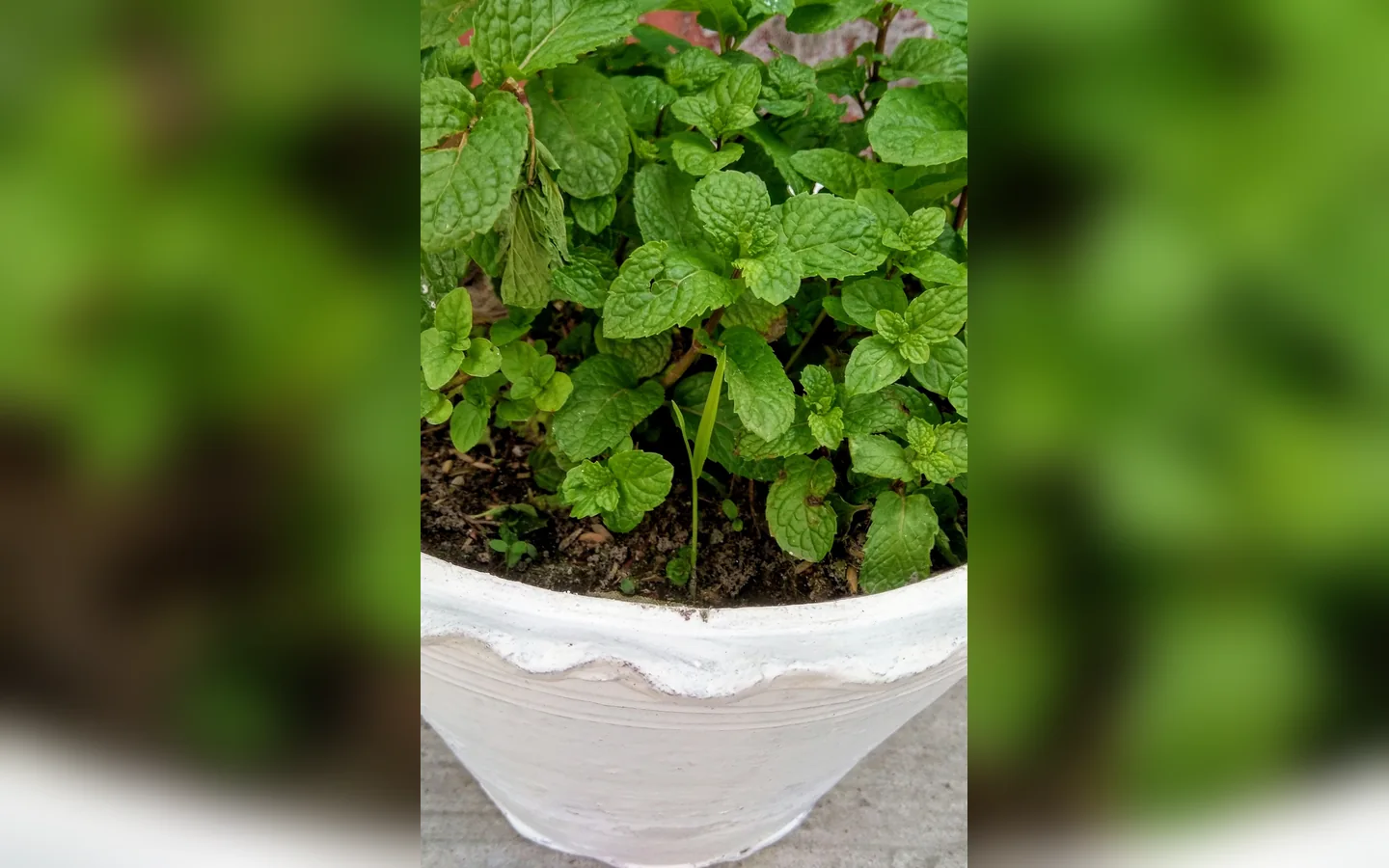
Grow mint in pots without it taking over the garden. Choose a container, keep the roots healthy, harvest regularly and refresh tired plants.

Grow ornamental alliums from bulbs in the UK. Get planting depth, autumn timing, pot advice, watering, seedheads and foliage care right.

Grow pak choi in cool UK weather, from spring and autumn sowings to spacing, pots, flea beetle protection, avoiding bolting and harvesting crisp stems.

Grow peas successfully in UK gardens: choose shelling, mangetout or sugarsnap types, sow in good soil, support vines, water well and harvest sweet pods.

Learn how to grow peonies in UK gardens, including when to plant, the correct shallow depth, supports, watering, division and reasons they don't flower.
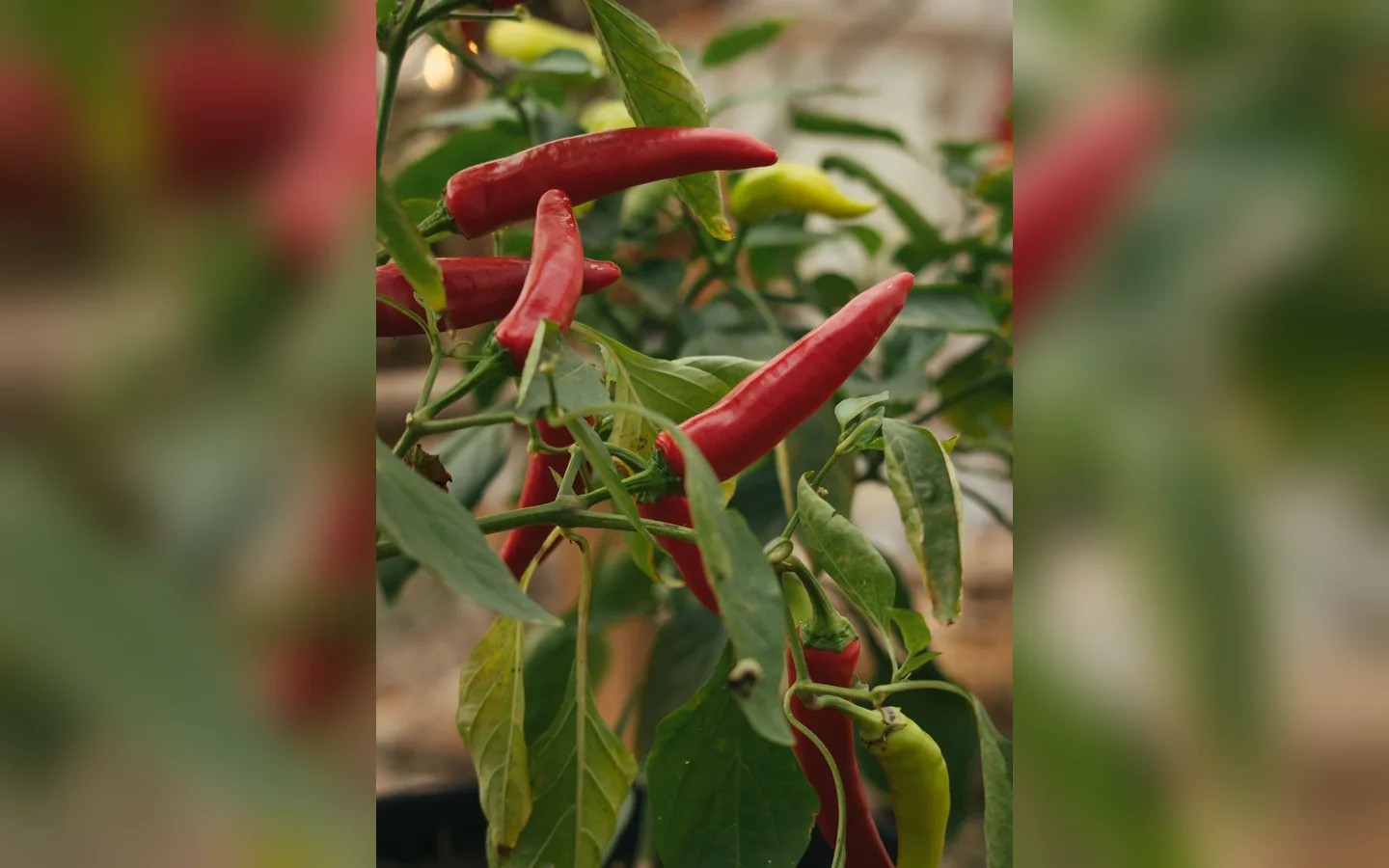
Grow sweet peppers and chillies in UK pots with good compost, container size, warm sites, watering, feeding, support and fruit-ripening tips.

Grow pumpkins from seed in UK gardens with April sowing, warm transplanting, wide spacing, pollination, watering and curing before storage.
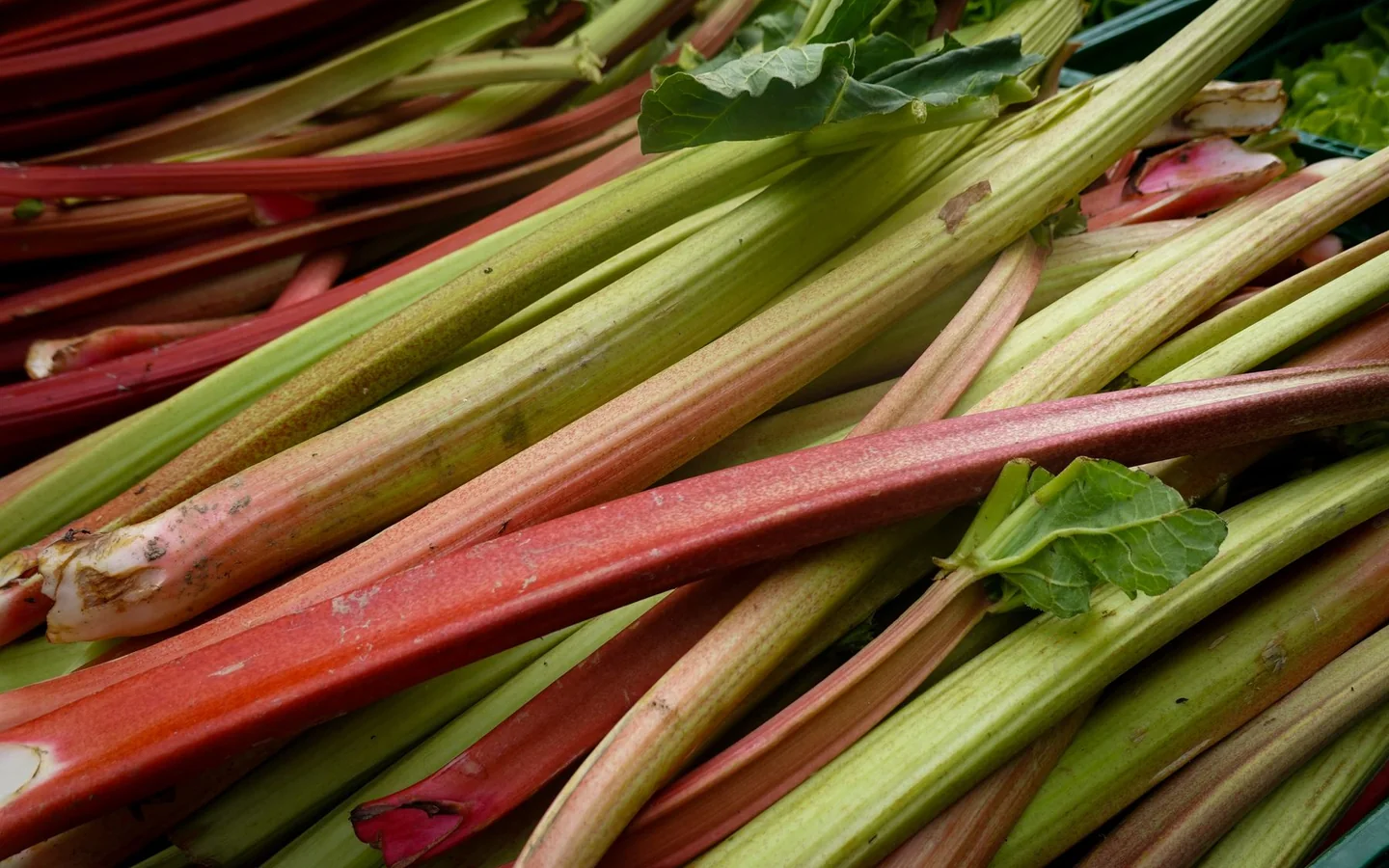
Plant rhubarb crowns in the UK with correct depth, spacing and watering, then learn when to pick stalks, divide crowded plants and avoid toxic leaves.

Grow healthy roses in containers with the right cultivar, deep pot, compost, watering, feeding and winter care. Practical UK patio rose guide.

Grow snowdrops successfully in UK gardens, with the best planting times, how to plant in the green, moisture advice, division and naturalising tips.
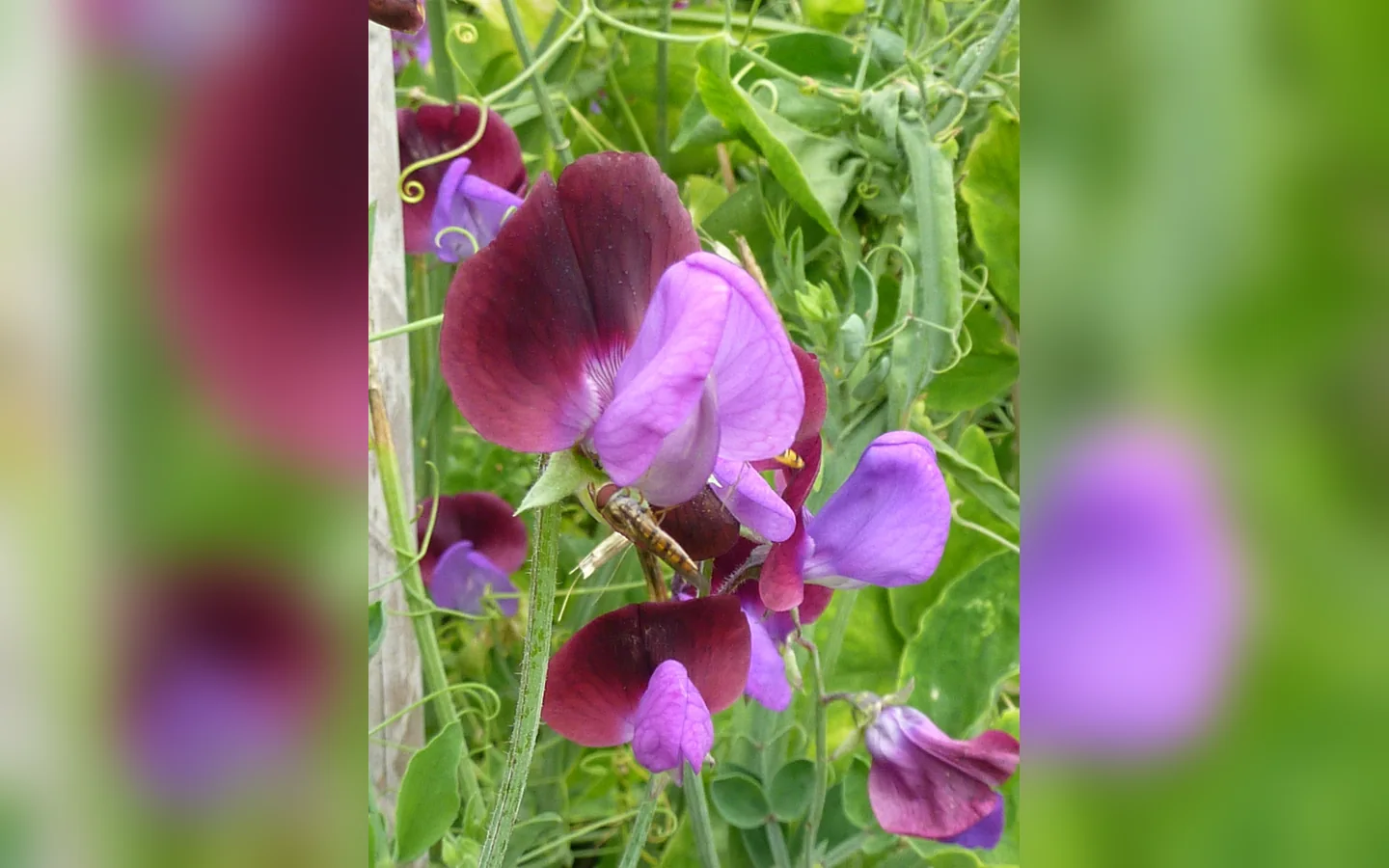
Grow scented sweet peas from seed in the UK with sowing dates, deep pots, supports, planting out, pinching and regular flower picking.
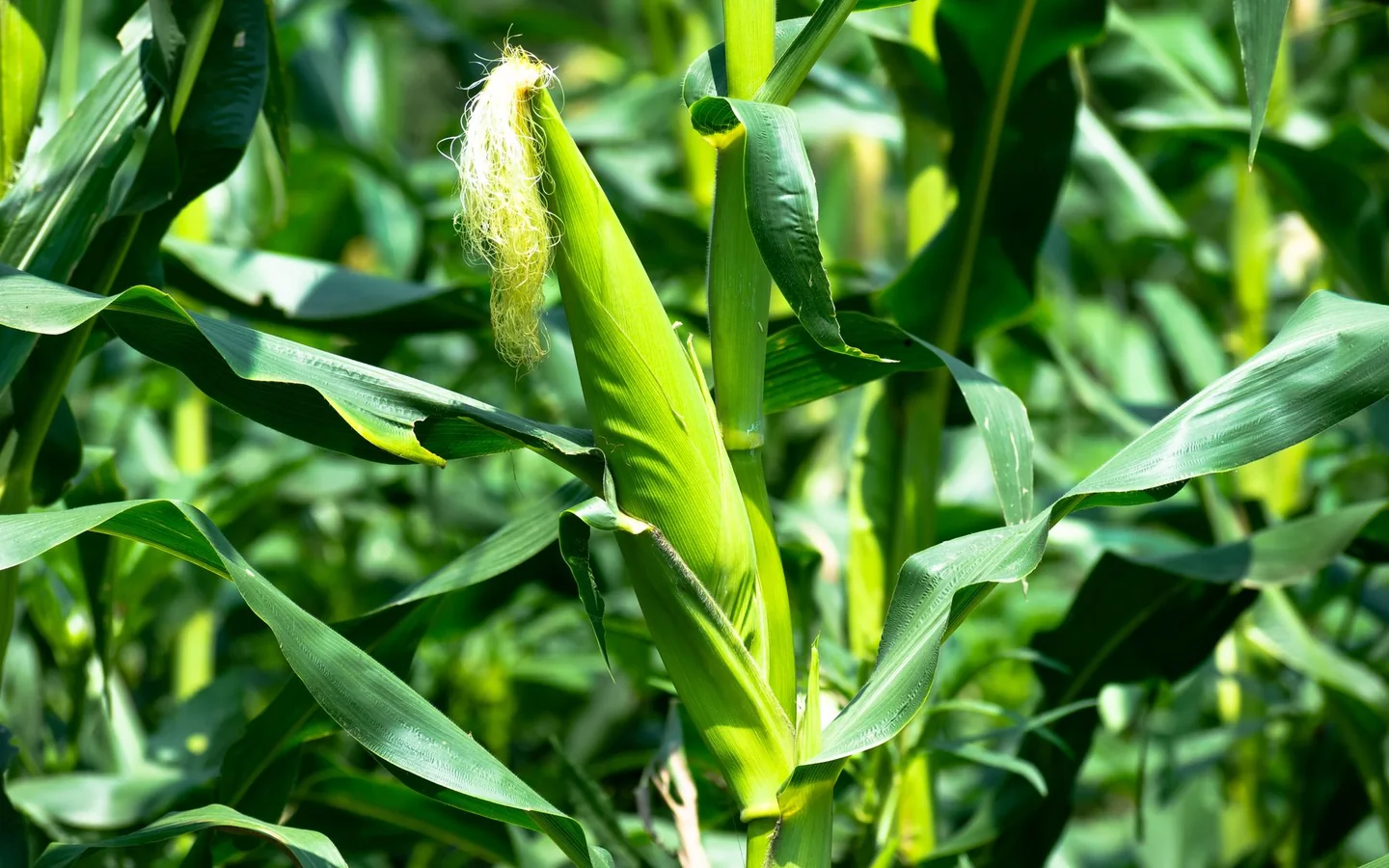
Grow sweetcorn in UK gardens with warm indoor sowing, frost-safe planting in blocks, correct pollination, deep watering and checking cob ripeness.

Plant tulip bulbs in outdoor pots for spring colour: choose deep containers, gritty peat-free compost, planting depth, winter drainage and aftercare.

Keep summer hanging baskets flowering with sensible watering, feeding, deadheading and drainage. Diagnose dry compost, wind damage and fading plants.
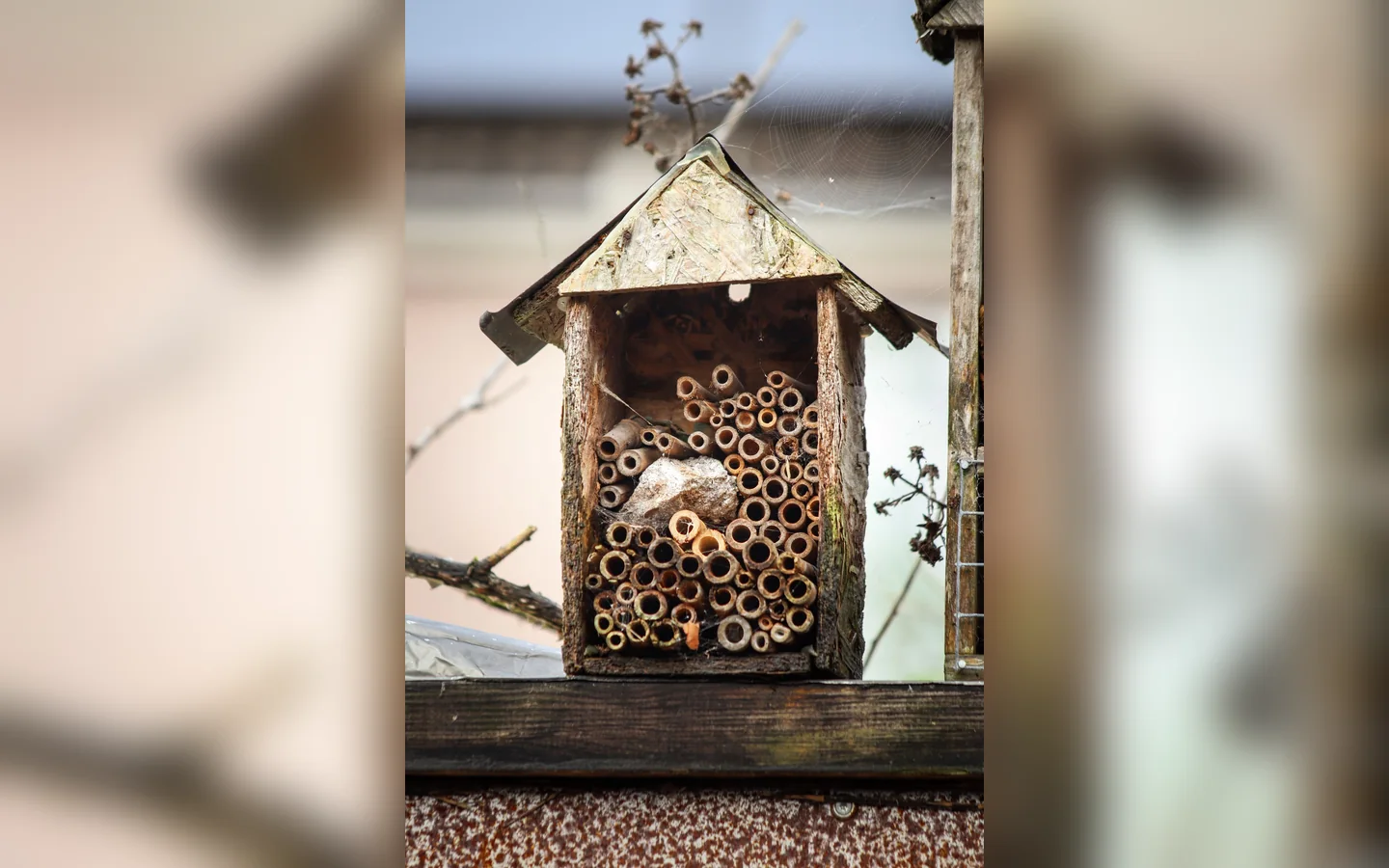
Build a useful UK bug hotel with dry hollow stems, sheltered nesting tubes and log habitat. Includes materials, positioning, bee safety and upkeep.

Plan a UK rain garden to soak up clean roof runoff: test drainage, protect foundations, create a planted basin and provide safe overflow during heavy storms.

Maintain a UK wildflower meadow with correct first-year and established cutting schedules, hay removal, yellow rattle and ways to reduce dominant grass.

Protect potted plants through a UK winter. Learn which pots can stay outside, what to move indoors, when to water and how to stop roots freezing.

Stop damping-off losses when raising seedlings: clean trays, fresh seed compost, thin sowing, careful watering, ventilation and identifying collapsed stems.

Protect plants during UK heatwaves with targeted root watering, temporary shade, pot care and sensible pruning. Know which crops need help first.

Protect UK garden plants, young trees and vegetable beds from deer browsing and bark damage using suitable fencing, guards and targeted planting.

Protect hanging baskets from frost with practical advice on moving, covering, watering and rescuing plants after a cold night.

Discourage cats from using flower beds as toilets with safe barriers, covered bare soil and sensible garden design. Protect seedlings without harming pets.
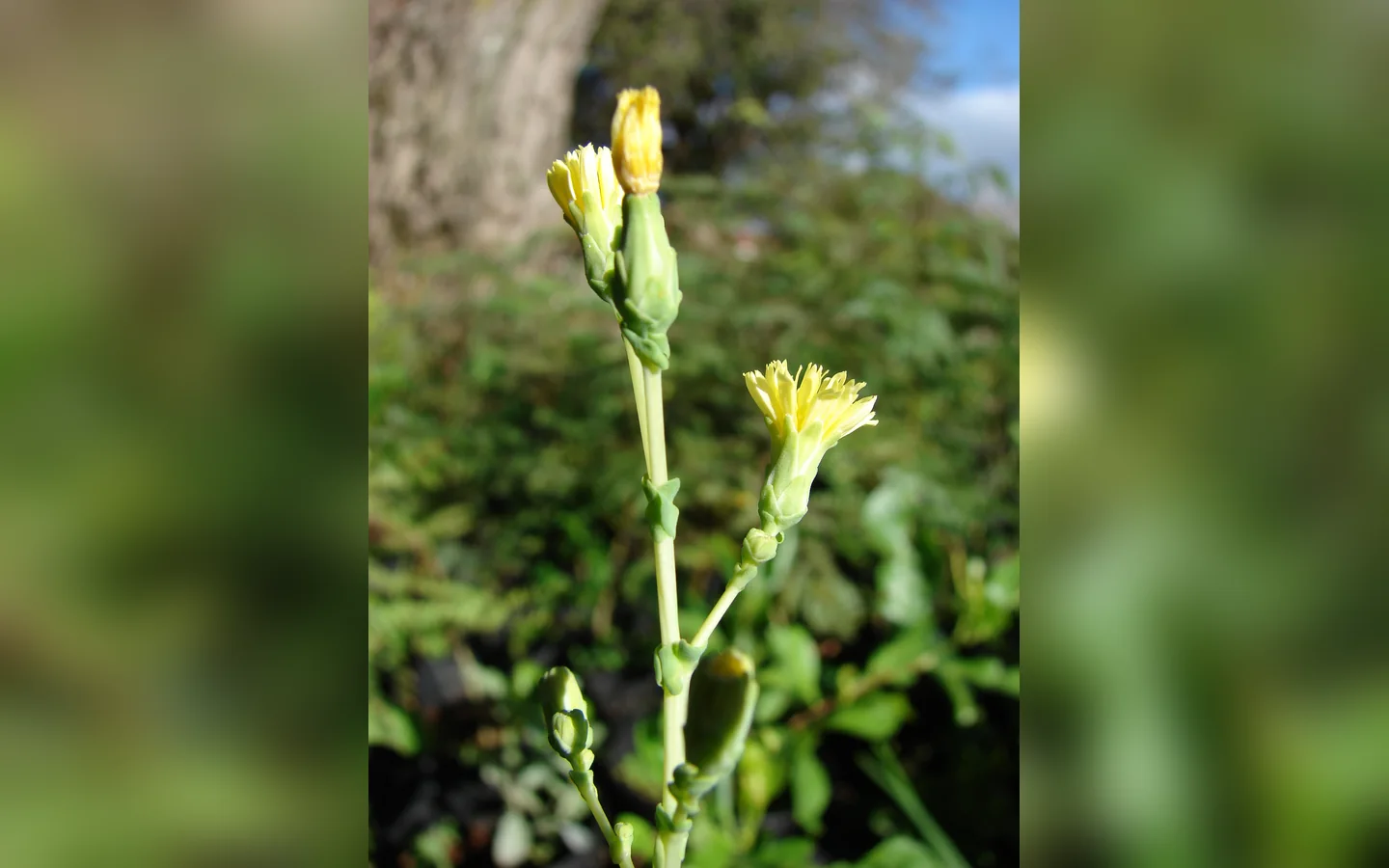
Reduce lettuce bolting in UK summer gardens with shade, even moisture, suitable varieties and succession sowing. Know when bitter leaves are past saving.

Stop plant pots drying out too quickly with better container sizes, watering, mulch and sensible positioning. Includes fixes for hydrophobic compost.

Trim a box hedge neatly with lines, sharp shears and a tapered shape. Includes the best UK weather, nesting birds, box blight and box moth checks.

Choose easy-care flowering plants for British borders, including hardy geraniums, rudbeckia, nepeta and hellebores, with realistic upkeep and planting tips.

Start a UK no-dig vegetable bed with cardboard, mature compost and weed control. Includes soil preparation, first crops, maintenance and common mistakes.

Plant bare-root trees in the UK during dormancy, usually November–March. Learn correct depth, handling exposed roots, staking, watering and aftercare.

Know when to start dahlia tubers indoors and plant outdoors across the UK. Includes April potting, late-May frost risk, planting depth and aftercare.

UK pea planting calendar from March to June, with 10°C soil, indoor module sowing, supports, spacing, frost and first/second early varieties.

Know when to plant daffodils, tulips, crocuses, hyacinths and snowdrops in the UK, with autumn timing, bulb depth, pots and late-planting advice.

Sow sweet pepper and chilli seeds indoors at the right time for UK greenhouse and outdoor crops. Includes heat, light, potting on and planting out.

Daffodils producing leaves but no flowers? Identify daffodil blindness from early leaf removal, shade, shallow planting, overcrowding, pests or poor bulbs.

Peony full of leaves but no blooms? Check planting depth, shade, age, spring drought, frost and pruning with practical UK advice for herbaceous peonies.

Fix tall weak seedlings by improving light, temperature, airflow and watering. Learn when to pot on and which stems can safely be buried deeper.

Tulips producing leaves but no flowers? Diagnose weak bulbs, shade, drainage, early leaf removal and non-perennial varieties, with practical UK fixes.

Clematis growing leaves but no blooms? Check pruning group, shade, water, feeding, age and frost damage to find the cause without harming the plant.

Hydrangea growing leaves but no flowers? Check pruning, late frost, shade, fertiliser and plant age before trying these practical fixes.
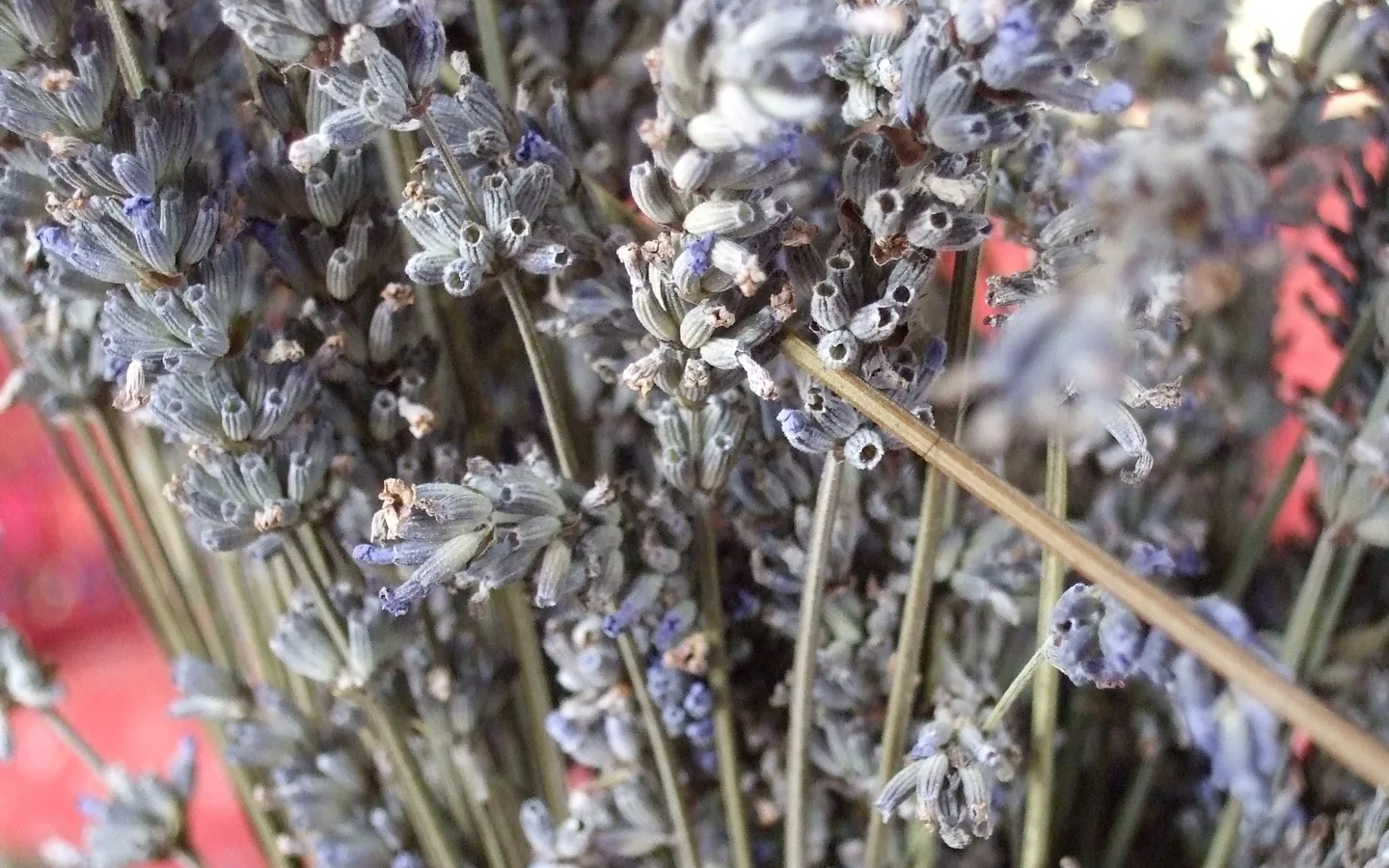
Lavender turning brown, woody or limp? Find out whether wet roots, cold, shade, pruning or drought are to blame and which plants can recover.

Work out why outdoor plants have yellow leaves using soil moisture, leaf age, vein patterns, temperature and pest clues before choosing a fix.
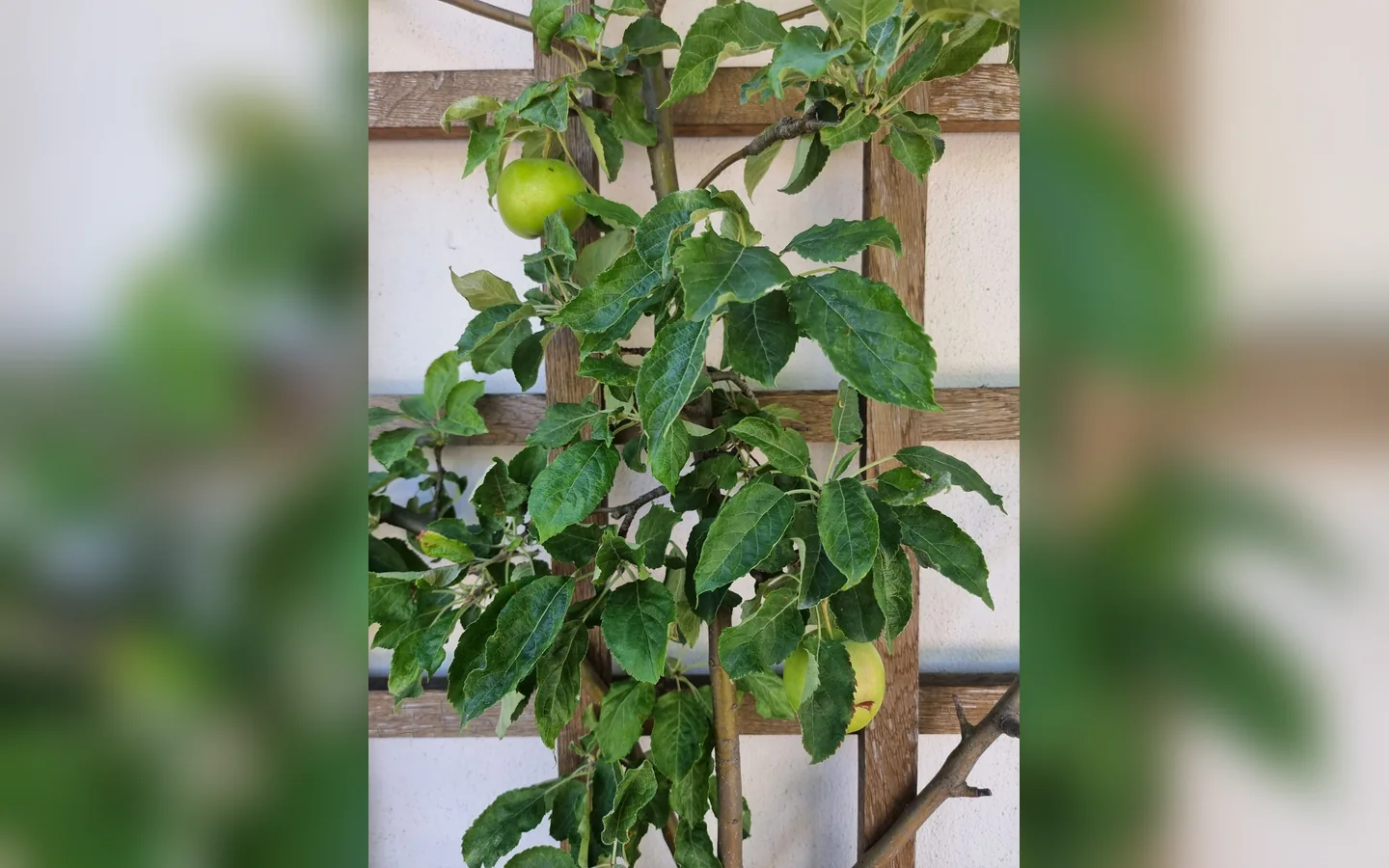
Choose fruit trees for small UK gardens: compare dwarf rootstocks, cordons, espaliers, compact cherries, pears, plums and container growing.

Grow apple trees in UK gardens: pick rootstocks and pollination partners, plant correctly, water young trees, thin fruit and harvest at the right time.

Grow juicy blackberries in UK gardens. Choose thornless varieties, plant correctly, train canes, prune after fruiting and harvest at peak ripeness.

Grow blackcurrant bushes in UK gardens with planting, mulch, watering, pruning older stems, pest checks and harvesting ripe berries.

Grow blueberries in the UK with acidic soil or peat-free ericaceous pots, pH 4.5–5.5, correct watering, bird protection and pruning.

Grow sweet or sour cherry trees in UK gardens. Choose rootstocks, pollination partners, sunny planting sites, safe summer pruning and harvest methods.

Grow figs in UK gardens or pots with a sunny sheltered wall, controlled roots, good summer watering and winter fruitlet protection.

Grow gooseberries for UK harvests with the right variety, planting, mulch, watering, pruning, mildew prevention and bird protection.

Grow grape vines outdoors or under glass in Britain: choose a suitable variety, sunny support, dormant planting, summer care and harvesting ripe bunches.

Grow kiwi fruit in the UK with a sheltered site, strong support, compatible male and female plants or a self-fertile cultivar, pruning and autumn picking.

Grow pears in UK gardens: choose a rootstock and pollination partner, plant at the right depth, water, train branches and harvest fruit correctly.

Grow plum trees in UK gardens with the right rootstock, pollination, sunny position, spring care, summer pruning and thinning heavy crops.

Grow summer- and autumn-fruiting raspberries in UK gardens, with cane planting, supports, spacing, watering and the key difference in pruning.
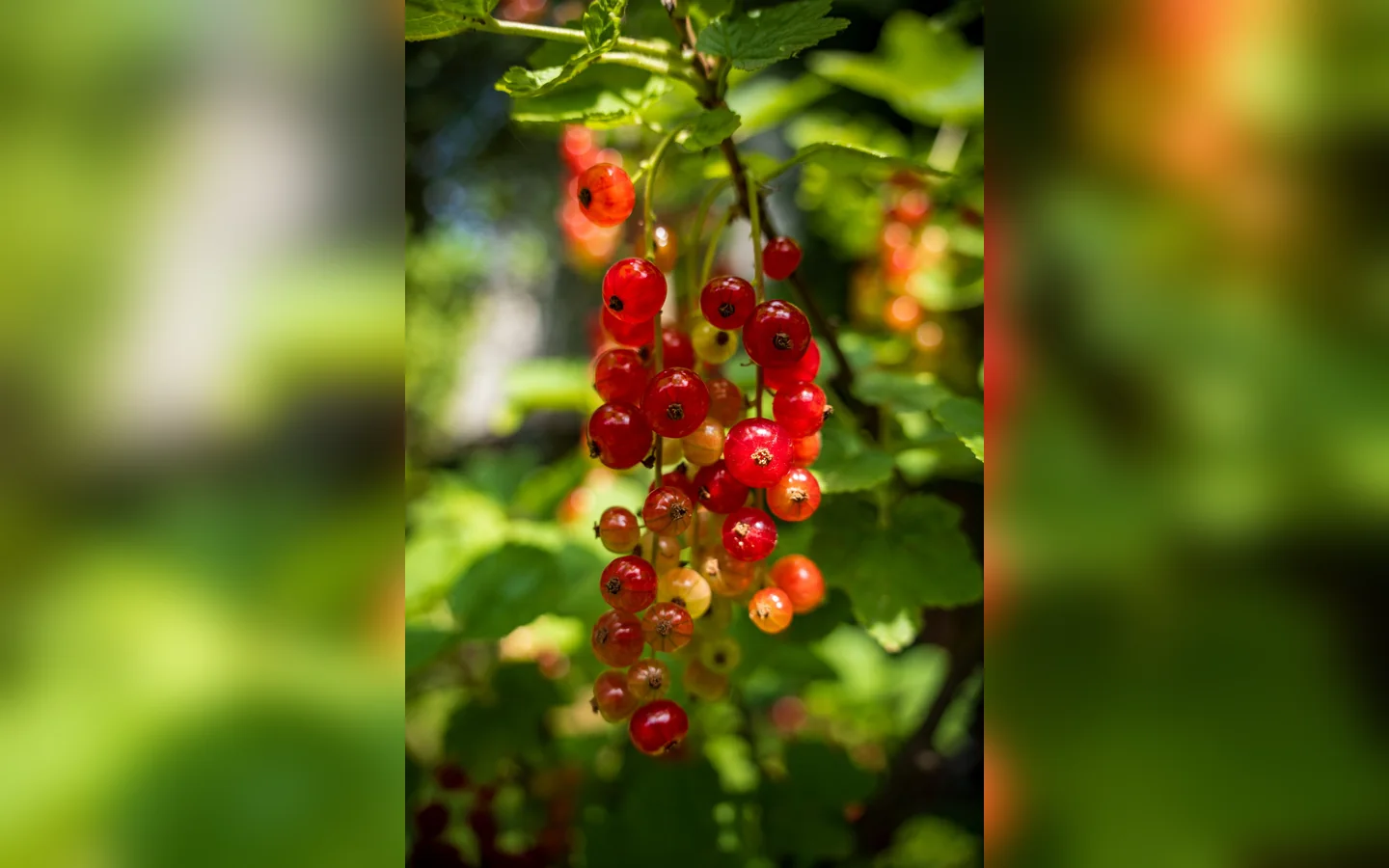
Grow redcurrants in a UK garden or pot: plant bare-root bushes, prune an open centre, protect berries from birds and harvest ripe fruit trusses.

Grow strawberries in a hanging basket in the UK. Choose the right size, plant without burying crowns, water and feed correctly, and protect plants in winter.

Grow strawberries in UK garden beds with the right varieties, planting depth, spacing, straw mulch, runners and bird protection. Includes seasonal care.

Reduce apple scab with resistant varieties, fallen-leaf clearing, better airflow and early disease recognition. Practical UK non-chemical prevention guide.

Prune a fig tree in spring and early summer without cutting off next year's crop. Clear UK steps for fan-trained, potted and overgrown figs.

Prune grapevines in the UK with clear cordon, spur and Guyot instructions, early-winter timing, summer shoot thinning and bleeding precautions.

Prune raspberry canes correctly by identifying summer- or autumn-fruiting types. Learn which stems to cut, when to prune and how to avoid losing next year's crop.
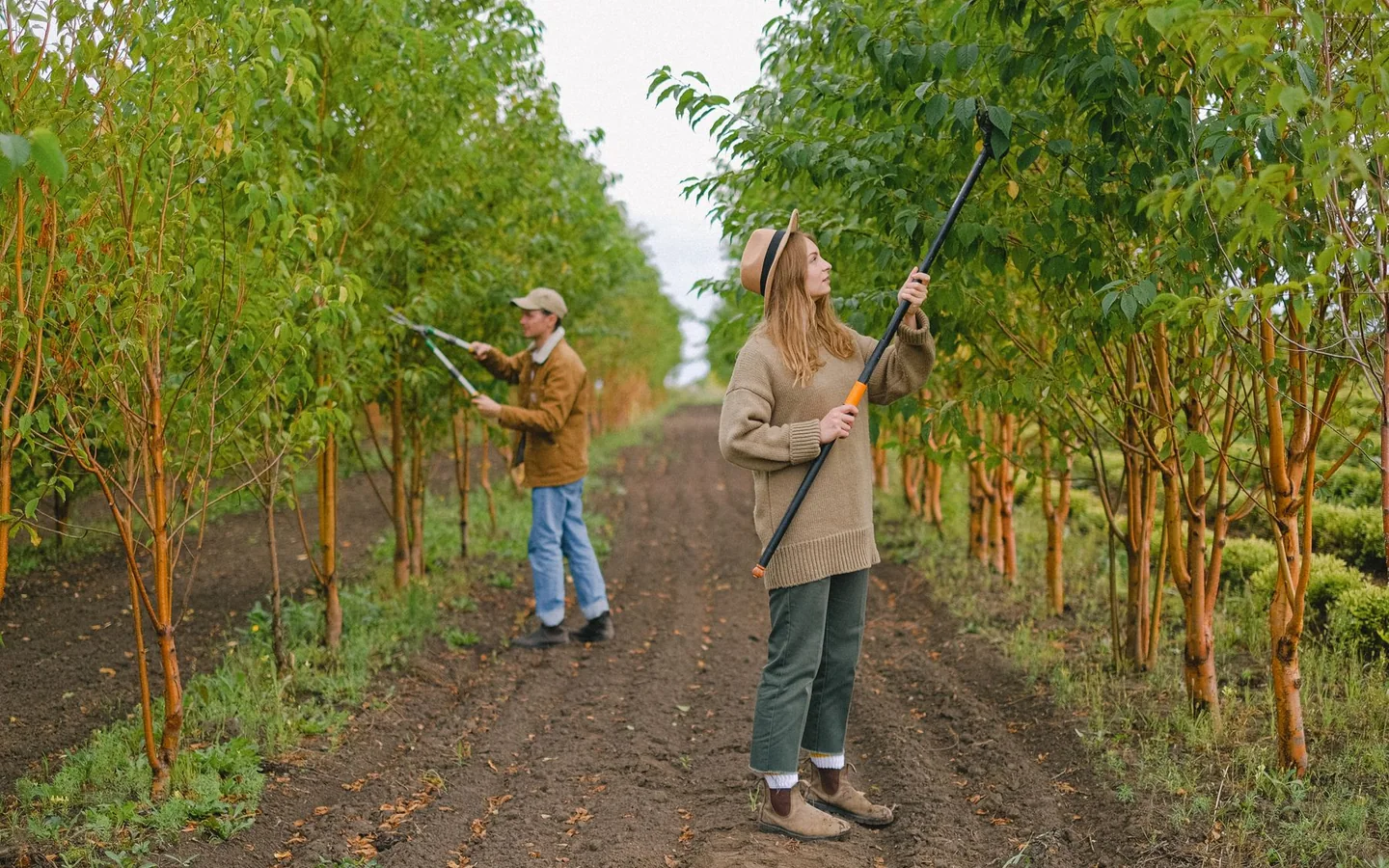
Learn when to summer-prune trained apples and pears, plus plums and cherries, with safe cuts, correct timing and trees to leave until winter.

Apple tree flowering but no fruit? Check pollination partners, late frost, pruning, tree age, poor light and fruit drop with this UK diagnosis guide.
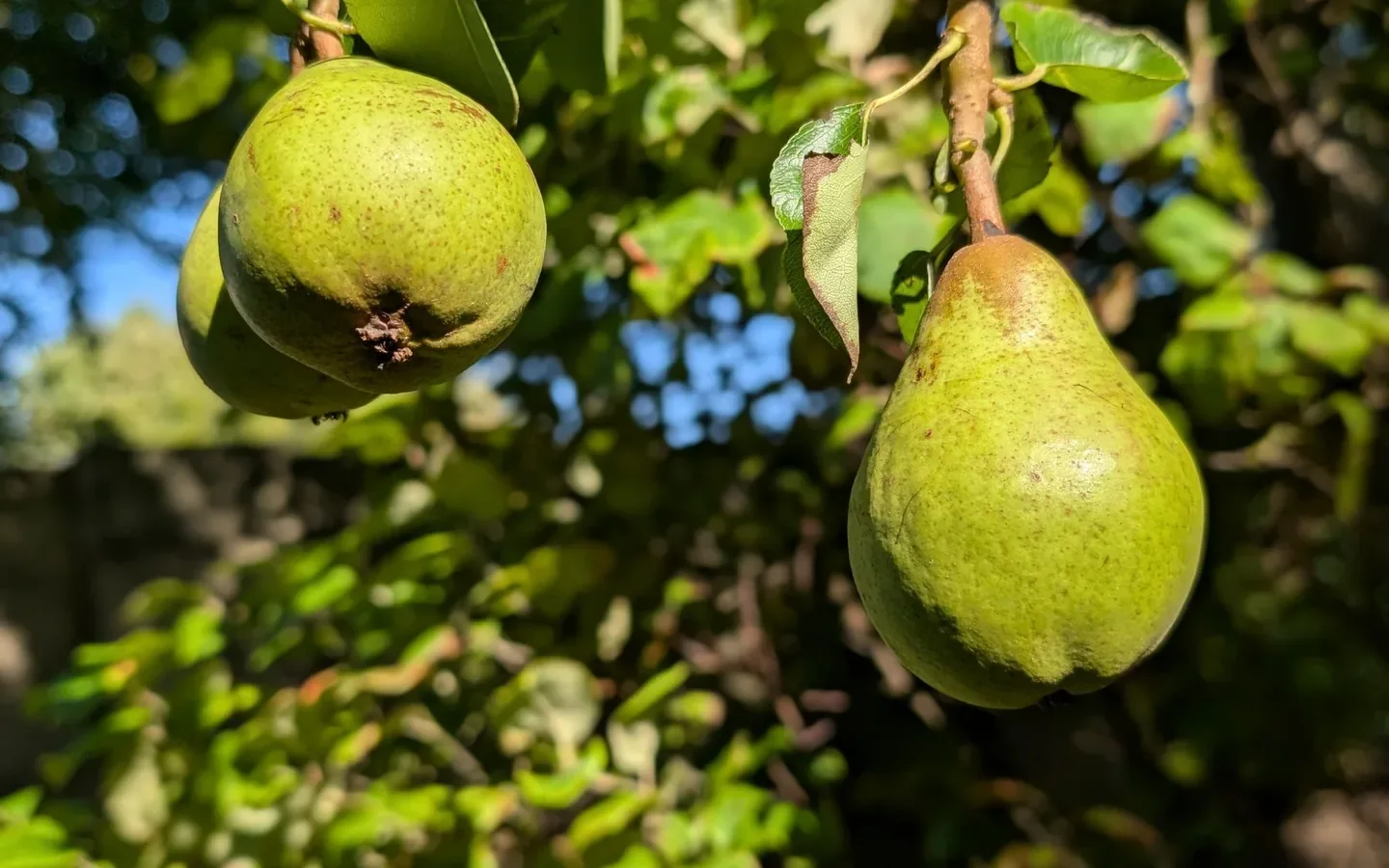
Discover why a pear tree has flowers but no fruit, or leaves without blossom. Check pollination partners, frost, tree age, pruning and weather stress in the UK.

Choose climbing plants for UK fences, from clematis and roses to honeysuckle and jasmine. Match sun, growth and supports to your fence.

Find evergreen shrubs for shady UK borders, including aucuba, sarcococca, skimmia and suitable holly, with advice for dry versus moist shade.

Find flowers that genuinely work in north-facing UK gardens, from hellebores and primroses to hardy geraniums, with advice on dry shade.

Choose reliable perennials for shady UK borders, from hellebores and epimediums to pulmonaria and hardy geraniums, with tips for dry shade.

Discover seaside plants that cope with salt spray and strong winds, from thrift and sea kale to coastal shrubs, with shelter and planting advice.

Choose drought-tolerant UK garden plants for sunny dry borders, including lavender, achillea, stachys, nepeta, eryngium and shrubs, with winter-drainage advice.

Choose plants for dry shady UK borders beneath trees and walls, including epimedium, geranium, aucuba and ivy, with practical establishment advice.

Choose plants for narrow garden borders in the UK, with options for sun and shade, realistic mature widths and practical planting layouts.
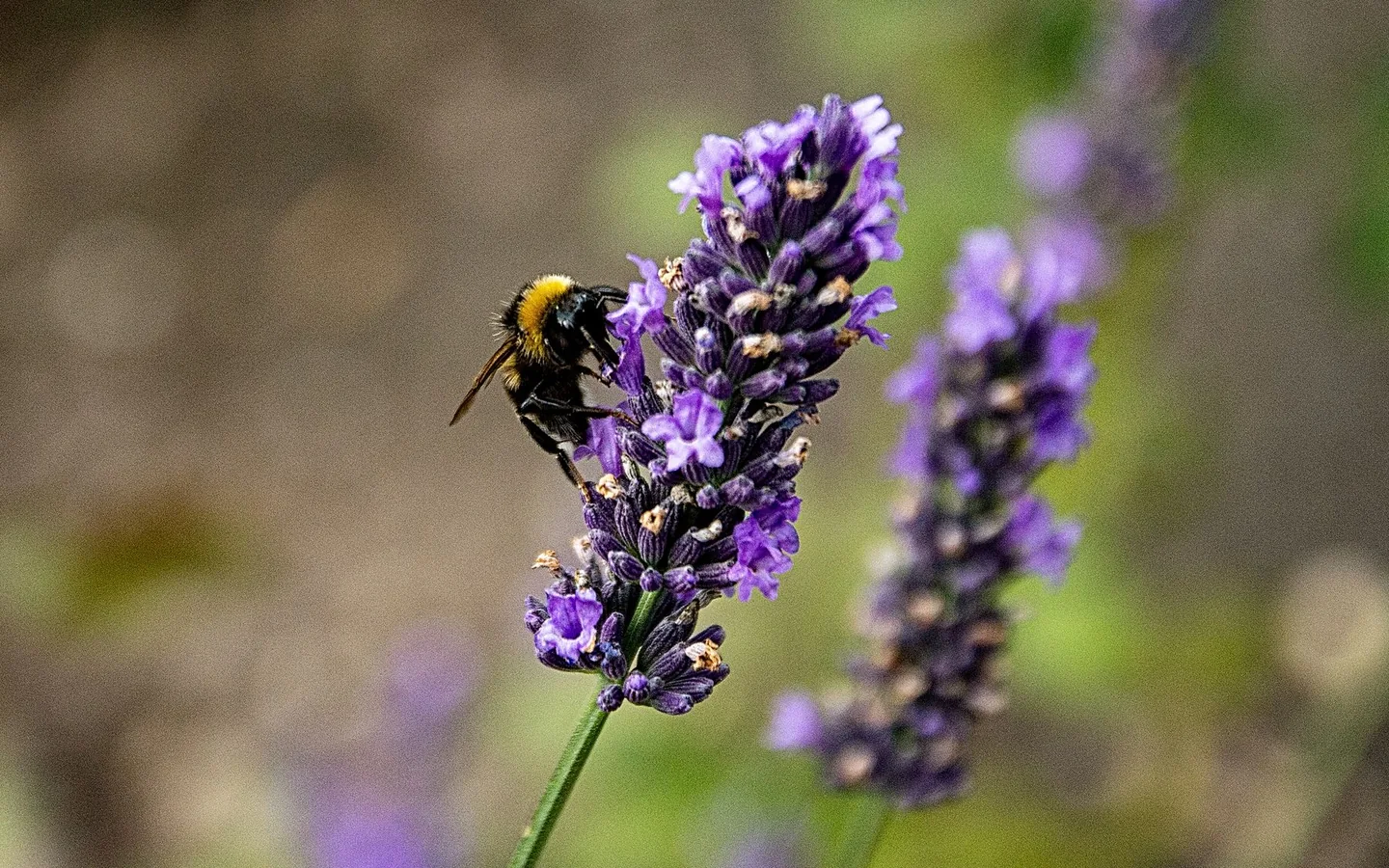
Plant flowers for bees, butterflies, moths and hoverflies across the seasons. Choose nectar and pollen sources for sunny and small UK gardens.

Choose plants for shady outdoor pots in the UK, including hostas, ferns, heucheras and winter foliage, with advice on dry shade and drainage.

Plant a difficult sloping garden with suitable ground cover, shrubs and erosion control. Includes steep-bank safety, access, soil and watering advice.

Choose wind-tolerant shrubs, perennials and trees for exposed UK gardens, with shelterbelt planning, staking and winter wind protection.

Plan a colourful UK cottage garden with roses, hardy perennials, annuals and climbers. Includes year-round flowering, plant layers, paths and small-space ideas.

Find evergreen climbers for shady UK walls and fences, including ivy and suitable options for partial shade, plus planting, support and pruning tips.

Improve a UK front garden with paths, permeable parking, easy-care planting, privacy and budget ideas that suit small terraces and driveways.

Reduce mowing, weeding and watering with realistic low-maintenance garden designs, hardy plants, mulch, paths and simple budget-friendly changes.

Choose genuinely low-maintenance plants for outdoor pots in the UK, with options for sun and shade, sensible container sizes and simple year-round care.

Choose the right plants for a UK rain garden: wet-tolerant species for the basin, adaptable perennials and shrubs for the banks, with spacing and care tips.

Find hardy plants for moist, shady UK borders, from astilbe and ferns to ligularia and marsh marigold, with advice on drainage and spacing.

Make a small UK garden feel bigger with practical layouts, planting choices, storage, seating and simple plans for narrow or shady spaces.

Make a small north-facing UK garden feel brighter with shade-tolerant plants, compact paths, seating and practical designs for dry or damp shade.
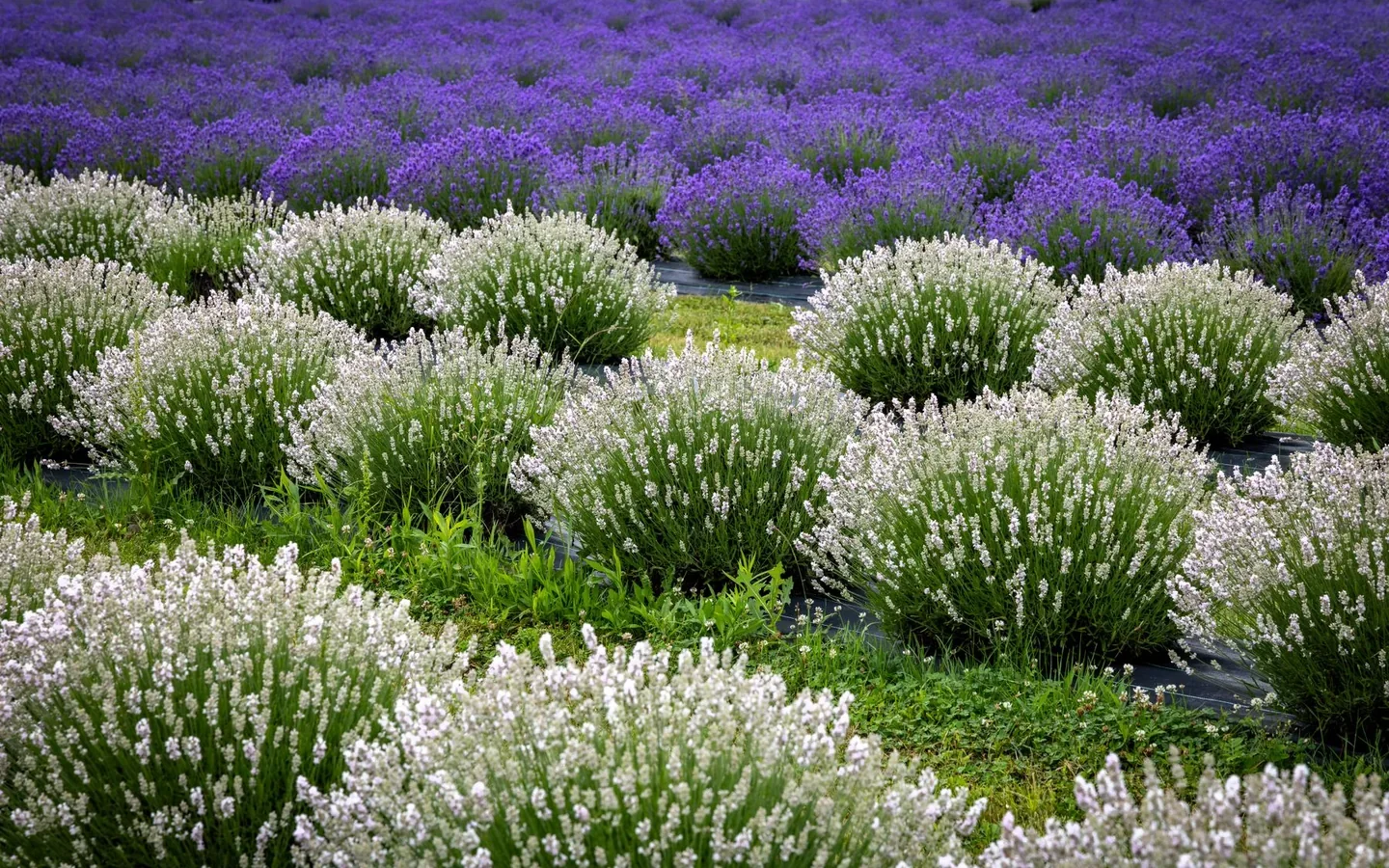
Design a small sunny south-facing UK garden with drought-tolerant planting, shade for seating, container care, paths and compact Mediterranean-style borders.

Keep greenhouse tomatoes growing and setting fruit with practical day/night temperature guidance, ventilation, frost checks and heatwave responses.

Grow fresh herbs on a UK windowsill with practical advice on basil, parsley, chives, mint and thyme. Learn about light, watering and winter growth.
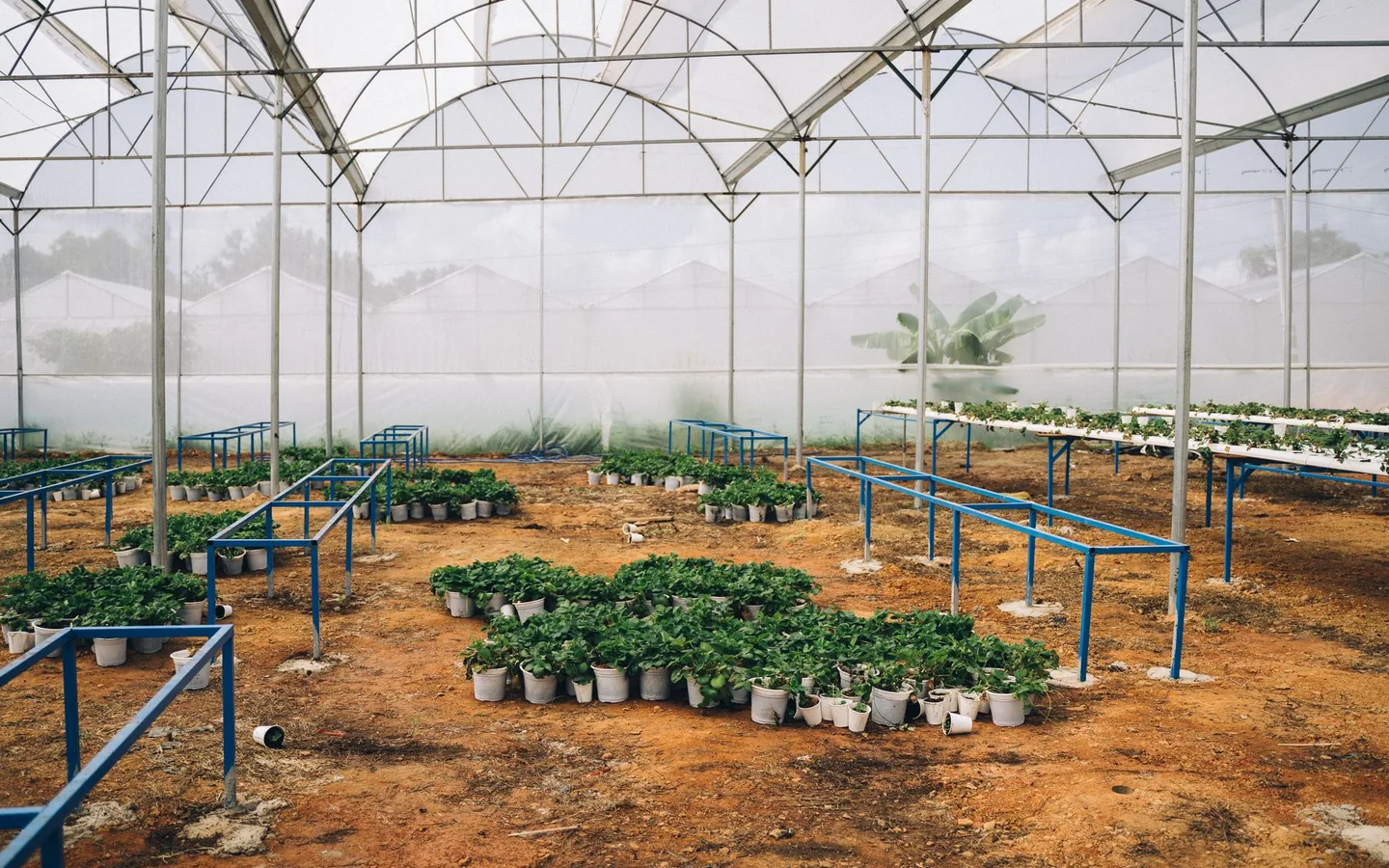
Set up and use a small UK greenhouse with a sensible first-year crop plan, temperature control, containers, watering, hygiene and pest checks.

Identify glasshouse whitefly, inspect leaf undersides and use early biological control, sanitation and careful monitoring in home greenhouses.

Clean greenhouse glass, frames, gutters, staging and pots safely before new crops. Includes algae removal, pest checks and polycarbonate care.

Grow greenhouse cucumbers in the UK from sowing to harvest. Choose indoor varieties, train vines, manage flowers, feeding, water and summer heat.

Grow cucumbers from seed in UK gardens, greenhouses or pots. Includes sowing heat, training, watering and the vital male-flower differences.

Grow culinary herbs indoors in the UK with realistic advice on windowsill light, drainage, watering, sowing, harvesting and winter limitations.

Grow greenhouse tomatoes in the UK from sowing and planting to training, feeding, watering and harvest. Includes cordon versus bush tomato care.
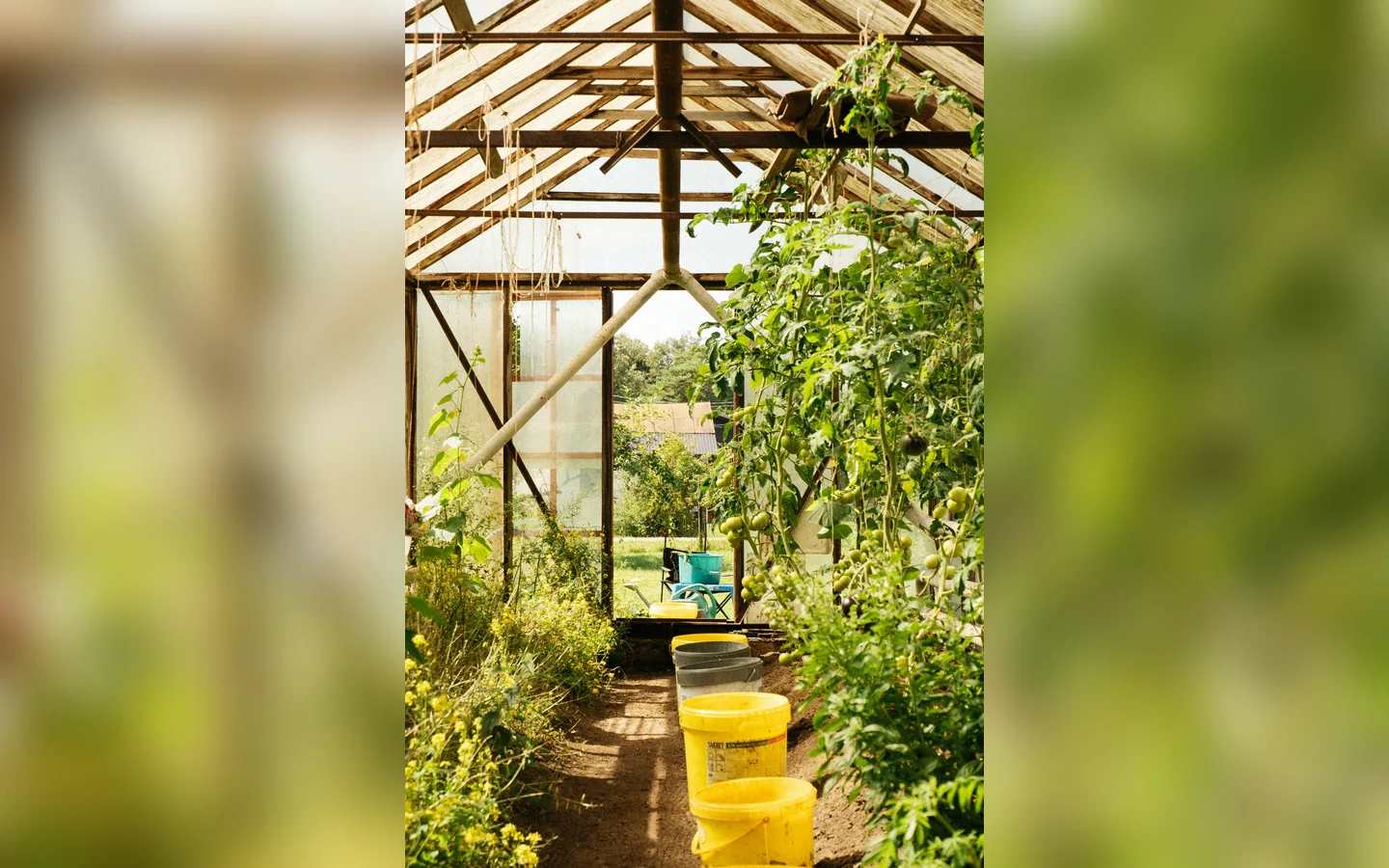
Lower dangerous greenhouse temperatures with roof ventilation, shade, watering and air movement. A practical UK summer heatwave action plan.
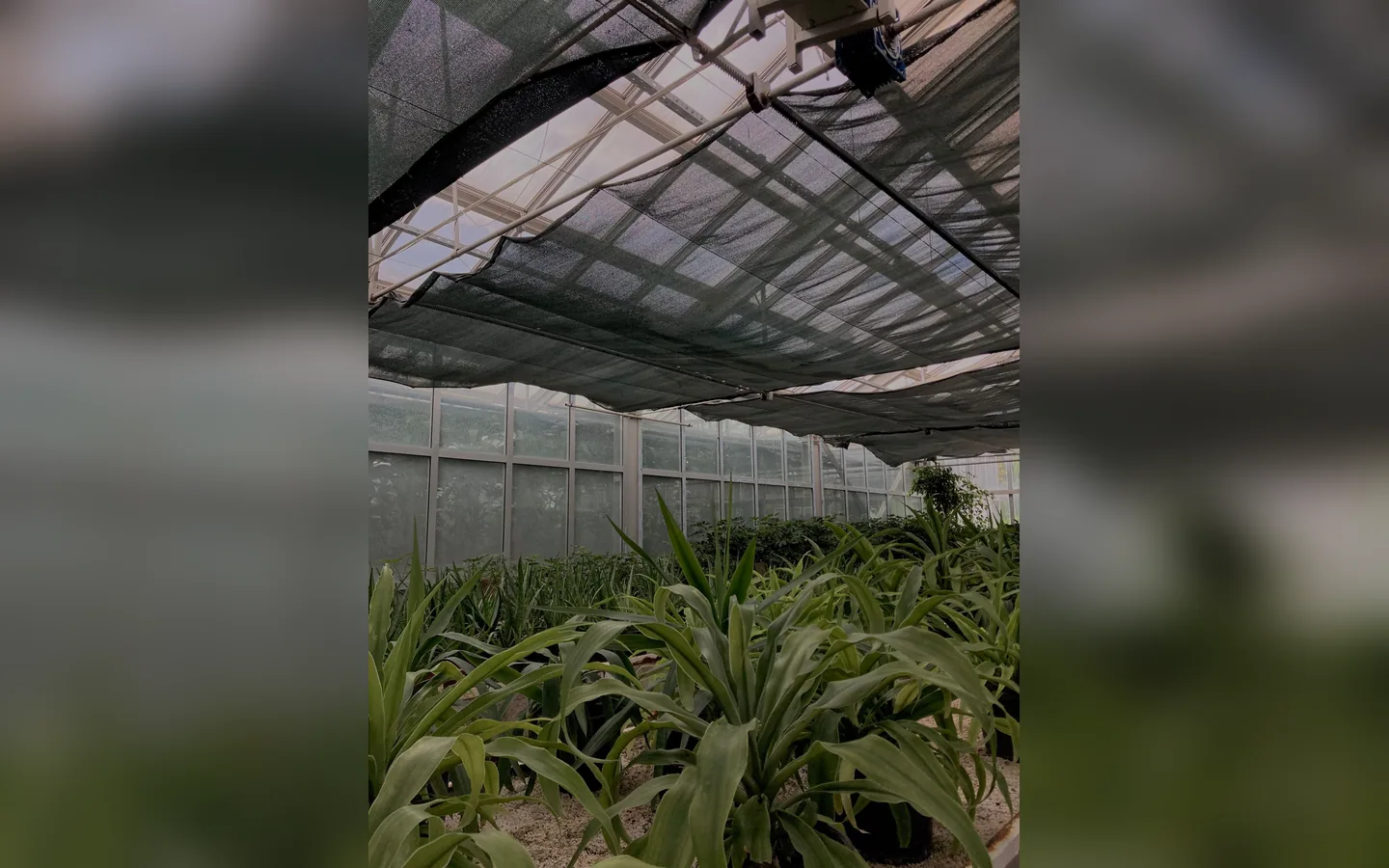
Compare external shade cloth, greenhouse blinds and shading paint for summer heat. Fit, remove and maintain shade without blocking vents or crop light.

Reduce greenhouse condensation on glass and polycarbonate with measured ventilation, careful watering, airflow and winter moisture control.

Wilting plant with wet compost? Learn how to identify root rot, inspect and trim damaged roots, repot safely and prevent it returning.

Water greenhouse pots, grow bags and soil borders without drought or waterlogging. Includes morning checks, drip irrigation and crop-specific advice.

Not sure how often to water houseplants in winter? Learn how to test compost, spot overwatering and adjust care for different indoor plants.
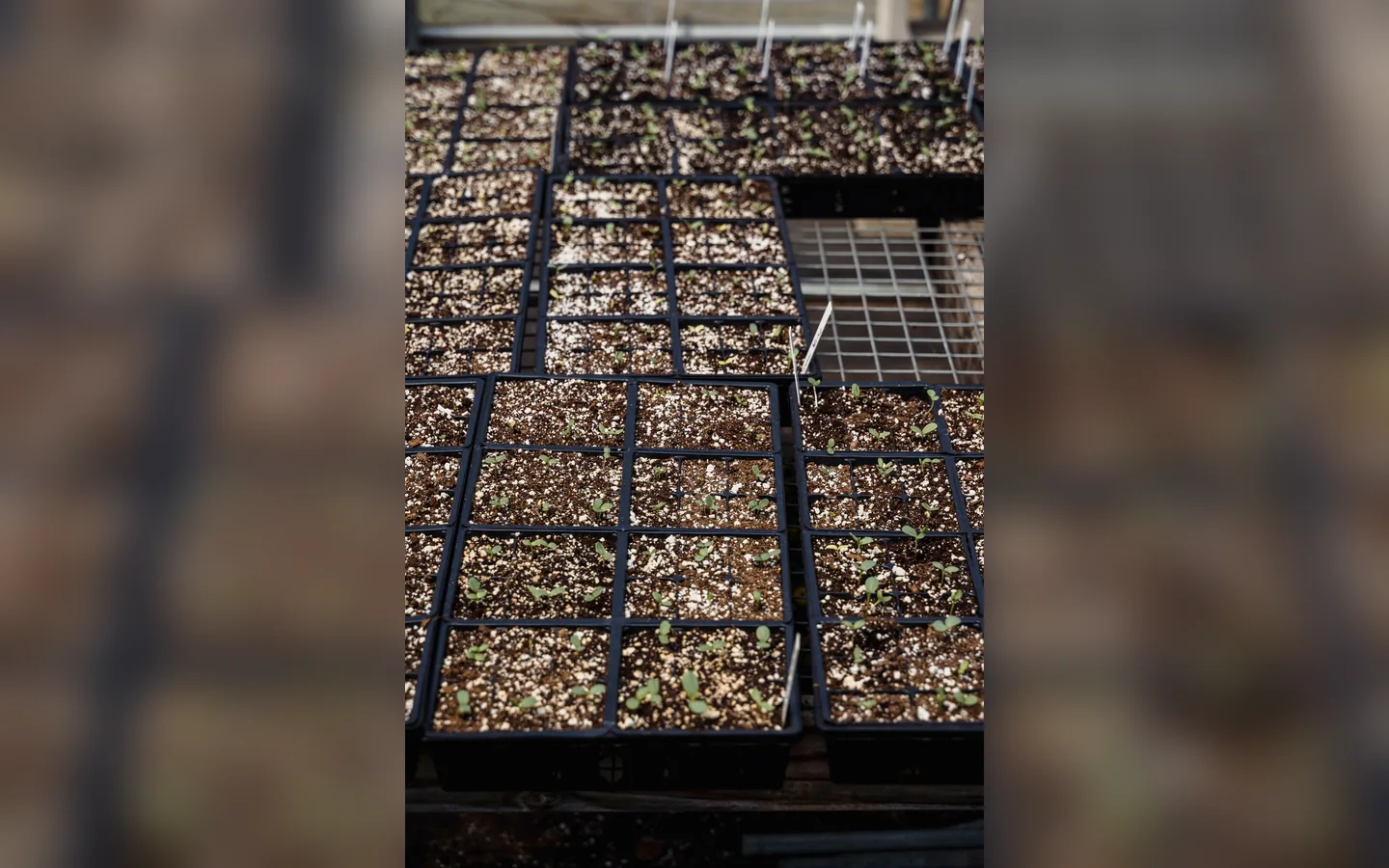
Follow a practical UK greenhouse calendar from January to December, with sowing, transplanting, harvesting and ventilation jobs for unheated houses.

Make a mini or 6x4 greenhouse productive with compact tomatoes, cucumbers, herbs and seed trays. Includes practical layouts and seasonal space planning.

Yellow leaves on a houseplant? Use the pattern, moisture, light and root condition to identify likely causes and choose the right fix.

Repair dog urine burns on grass with water, soil preparation and reseeding. Tell living from dead turf and reduce repeat damage safely.

Grass seed still not growing after two weeks? Check soil temperature, moisture, sowing depth, seed age and birds before deciding whether to reseed your UK lawn.

Diagnose lawn puddles, compacted turf, clay and runoff before choosing aeration, soil repair, a path or a properly designed drainage outlet.

Reduce moss in UK lawns with scarifying, aeration, overseeding and fixes for shade, compacted soil and low mowing. Find the best seasonal timing.
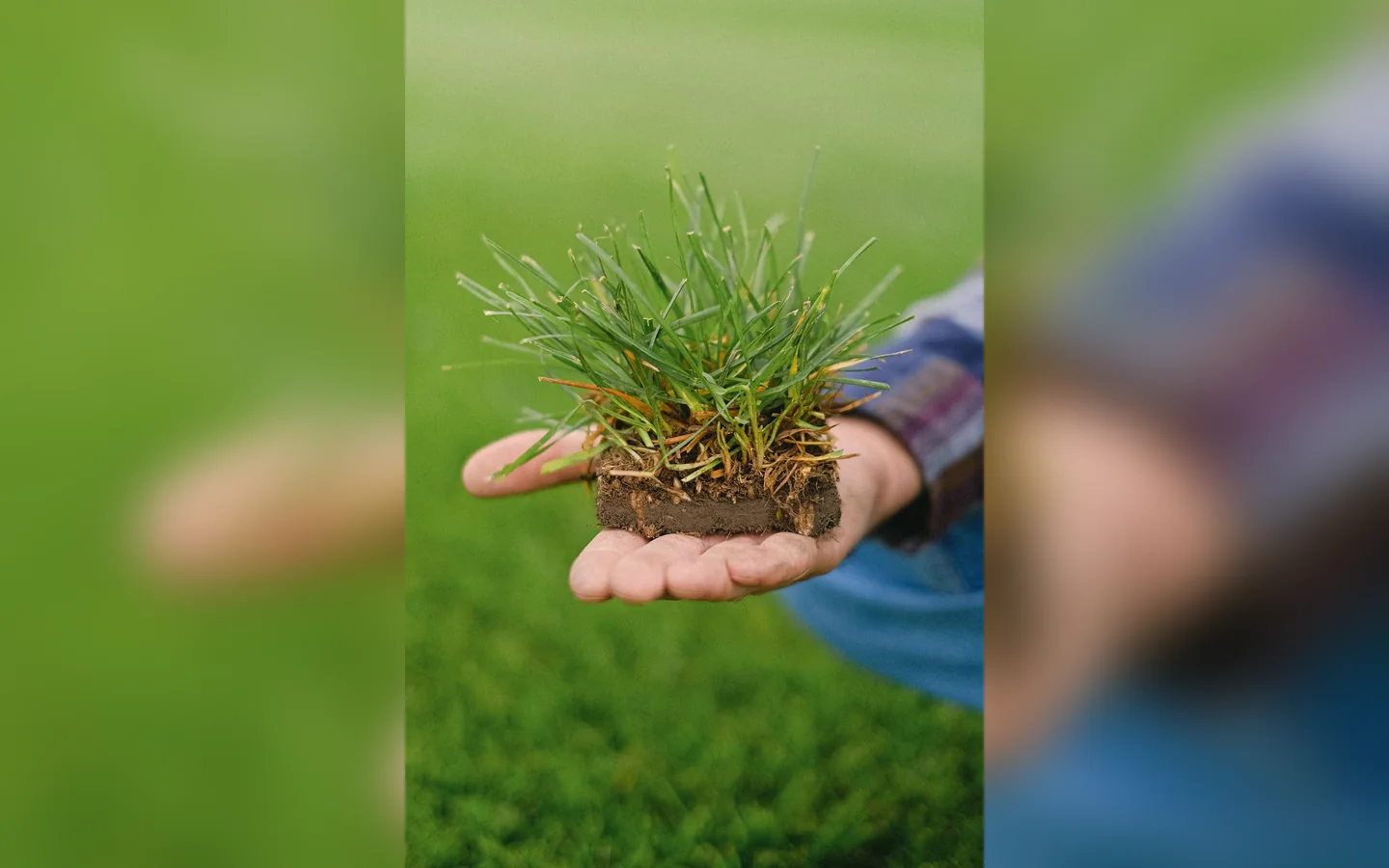
Improve poor lawn soil without stripping the turf. Diagnose compaction, pH, soil depth and nutrients; use appropriate aeration, dressing and repair.

Lay lawn turf properly in the UK: when to order rolls, clear and level soil, stagger joints, water new turf and know when it's ready for mowing.

Fix bumps, hollows and shallow dips in an existing lawn with small topdressing layers or lifted turf. Learn when grading needs professional help.

Reduce dandelions, buttercups and other lawn weeds by improving turf density, mowing height, soil and selective removal. UK practical prevention plan.

Identify excessive lawn thatch, choose rake or scarifier, work in the right UK season and avoid over-scarifying thin or drought-stressed grass.

Bring a drought-stressed UK lawn back after summer. Learn when to wait for rain, how to identify dead patches, reseed, mow, feed and avoid overwatering.

Repair thin and bare lawn patches step by step with seed or turf. Find the best UK seasons, soil preparation, seed rates, watering and aftercare.

Create a new UK lawn from seed, from clearing weeds and levelling soil to choosing seed mix, sowing in two directions, watering and first mowing.

Make thin UK turf denser by correcting shade, mowing, soil, wear and seed choice. Practical thickening plan without automatic chemicals or full renovation.

Keep newly laid turf moist while roots establish. Learn how to check underneath, adjust for UK weather, prevent soggy soil and time the first mow.

Understand lawn aeration benefits for compacted grass, water movement and rooting. Compare solid and hollow tines, timing, aftercare and drawbacks.

A practical spring lawn-care plan for UK gardens: first mowing, moss, feeding, aeration, bare patches and wildlife-friendly choices without over-treating.

Know when to apply UK spring, summer and autumn lawn feed—and when fertiliser is unnecessary. Includes wet weather, new grass and safe spreading.

Find the best UK weeks for lawn overseeding in autumn and spring, including soil temperature, rain, preparation, mowing and aftercare.

Find the best UK months for sowing a new lawn from seed, with soil-temperature checks, autumn versus spring, seedbed preparation and first mowing.

Diagnose bare, brown or thin lawn patches in UK gardens by location, season, wear, drought, compaction, dog urine, grubs and fungal signs.

Find why UK lawn grass turns yellow after winter, mowing, drought or fertiliser. Diagnose moisture, disease, nutrients and pests before repairing it.

Find UK butterfly-friendly flowers for spring, summer and autumn, from scabious to verbena, plus nectar access, caterpillar food plants and planting tips.

Attract bees to a UK garden with nesting habitat, seasonal flowers, pesticide-free care, safe water and small-space tips for bumblebees and solitary bees.

Attract butterflies by growing nectar flowers and caterpillar food plants, leaving sheltered habitat, avoiding pesticides and choosing suitable UK species.

Encourage ladybirds naturally with aphid-rich plants, pollen and nectar, winter shelter and less pesticide. Learn to recognise larvae and avoid common mistakes.

Stop cabbage white caterpillars damaging UK brassicas with fine insect mesh, early egg checks and practical non-chemical control in vegetable beds.

Identify field horsetail, remove spreading rhizomes and weaken regrowth in UK lawns and borders without spreading fragments or expecting instant results.
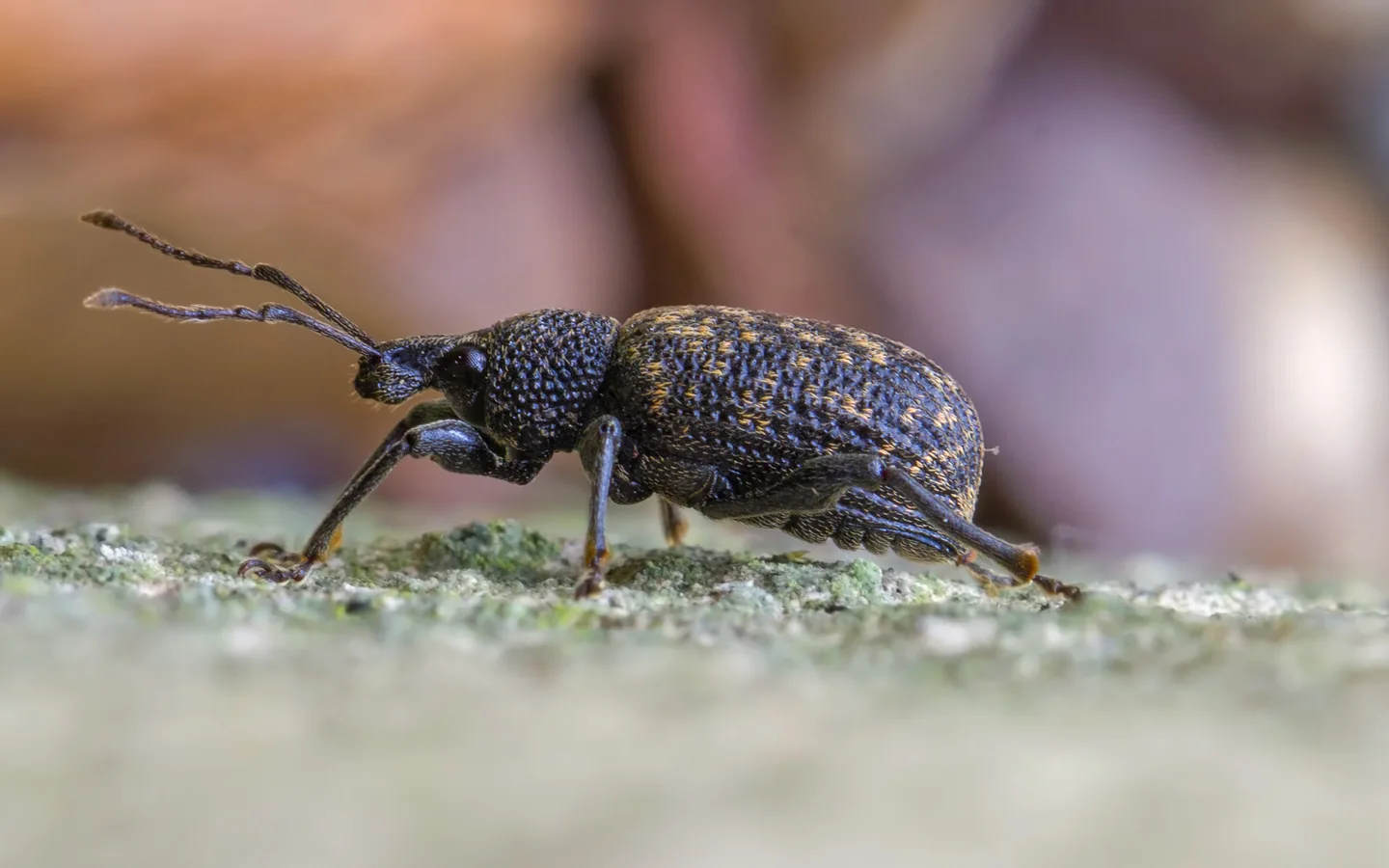
Spot vine weevil leaf notches and root-feeding grubs, then protect pots and borders with careful inspections and correctly timed nematodes.

Make a UK garden better for bees, birds, frogs and other wildlife with practical planting, water, shelter and low-maintenance habitat ideas.

Encourage earthworms naturally with organic mulch, gentle soil care, consistent moisture and less disturbance. Learn what worm casts and low numbers mean.

Grow healthy vegetables and flowers without routine pesticide sprays. Learn UK-friendly prevention, netting, hand removal and natural pest management.
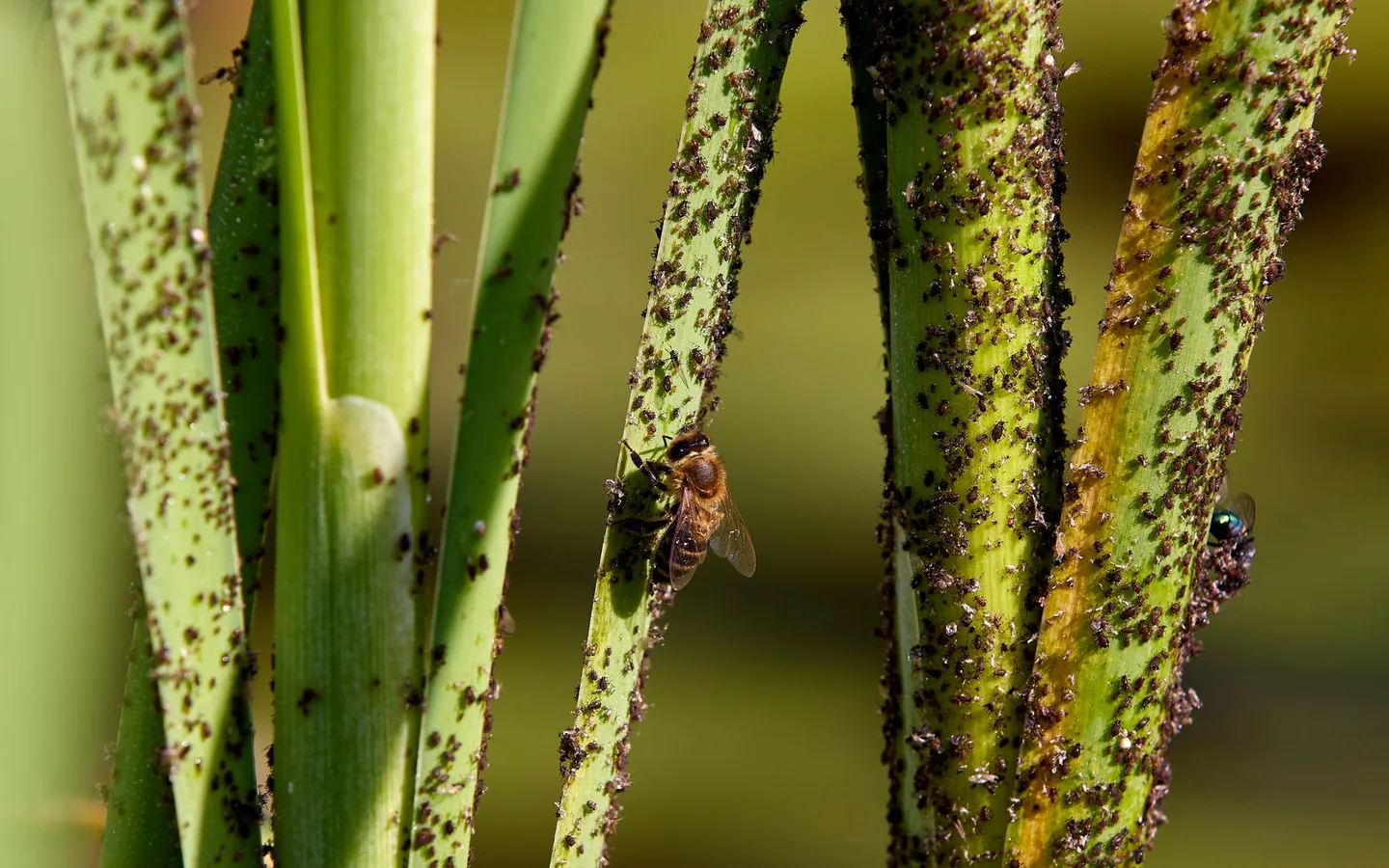
Control greenfly on rose shoots and buds with early inspection, hand removal and wildlife-friendly methods. Learn when aphids need treatment.
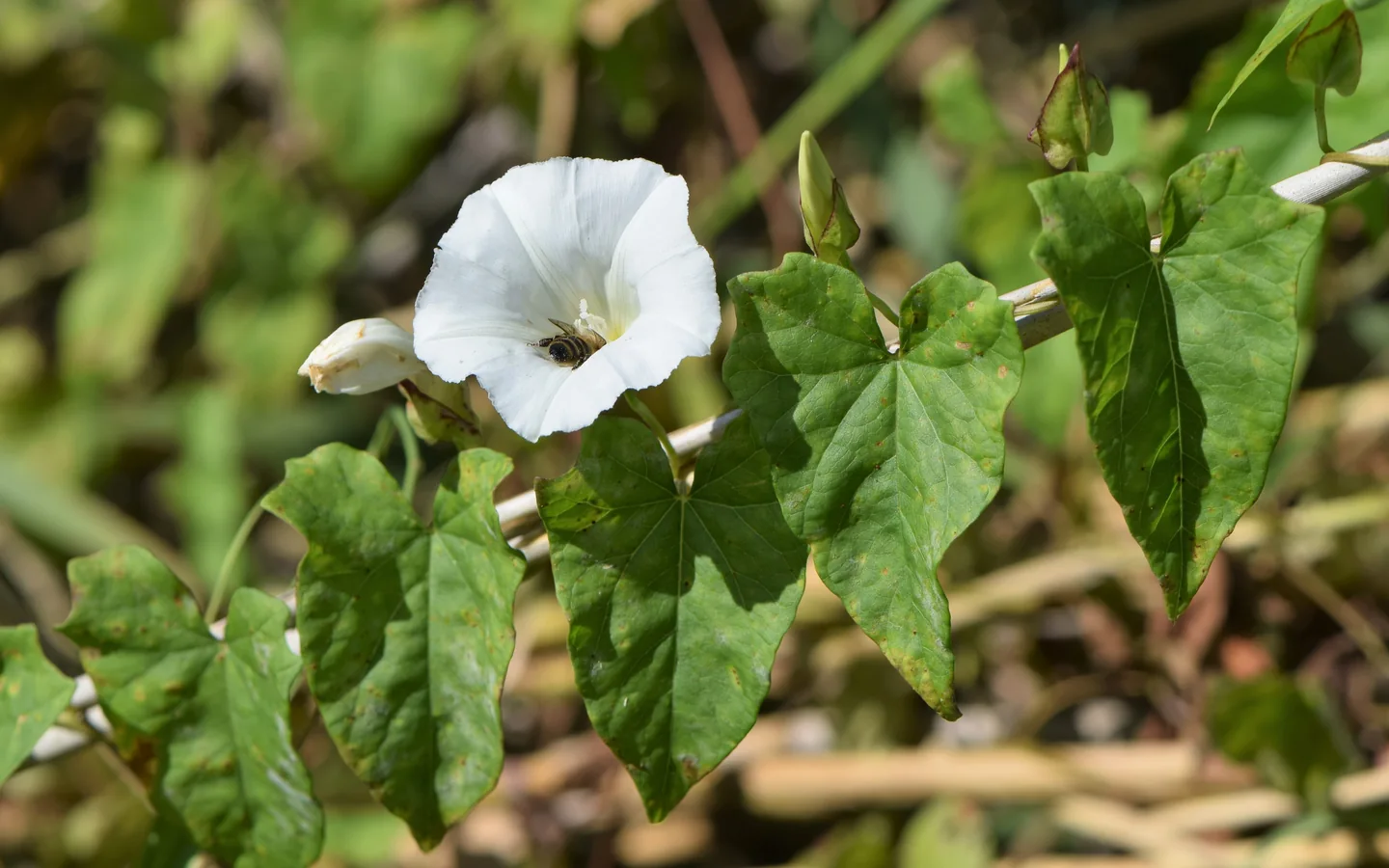
Remove persistent bindweed from UK borders, hedges and planting beds by lifting roots and repeatedly cutting regrowth without damaging wanted plants.

Remove annual and perennial weeds from UK borders with hand tools, timing, mulch and repeat control. Learn which roots and seedheads need special care.

Grow beetroot from seed in UK beds or pots. Includes spring sowing, seed clusters, thinning, watering, harvesting at 4–7cm and winter storage.

Grow foxgloves from seed in UK gardens. Learn biennial and perennial types, sowing, planting in shade, self-seeding and essential safety precautions.

Discourage foxes visiting UK gardens by removing food, securing bins and protecting vulnerable beds. Understand fencing, deterrents and occupied dens.

Build a UK wildlife pond with a liner, shallow exit slope, suitable depths, rainwater and native plants. Includes wildlife safety and container pond options.

Stop rabbit browsing and bark damage with properly installed mesh fences, plant guards and sensible protection for vegetables, shrubs and young trees.

Reduce slug damage naturally with night checks, sturdy seedlings, targeted protection and suitable nematodes. See which home barriers don't work.
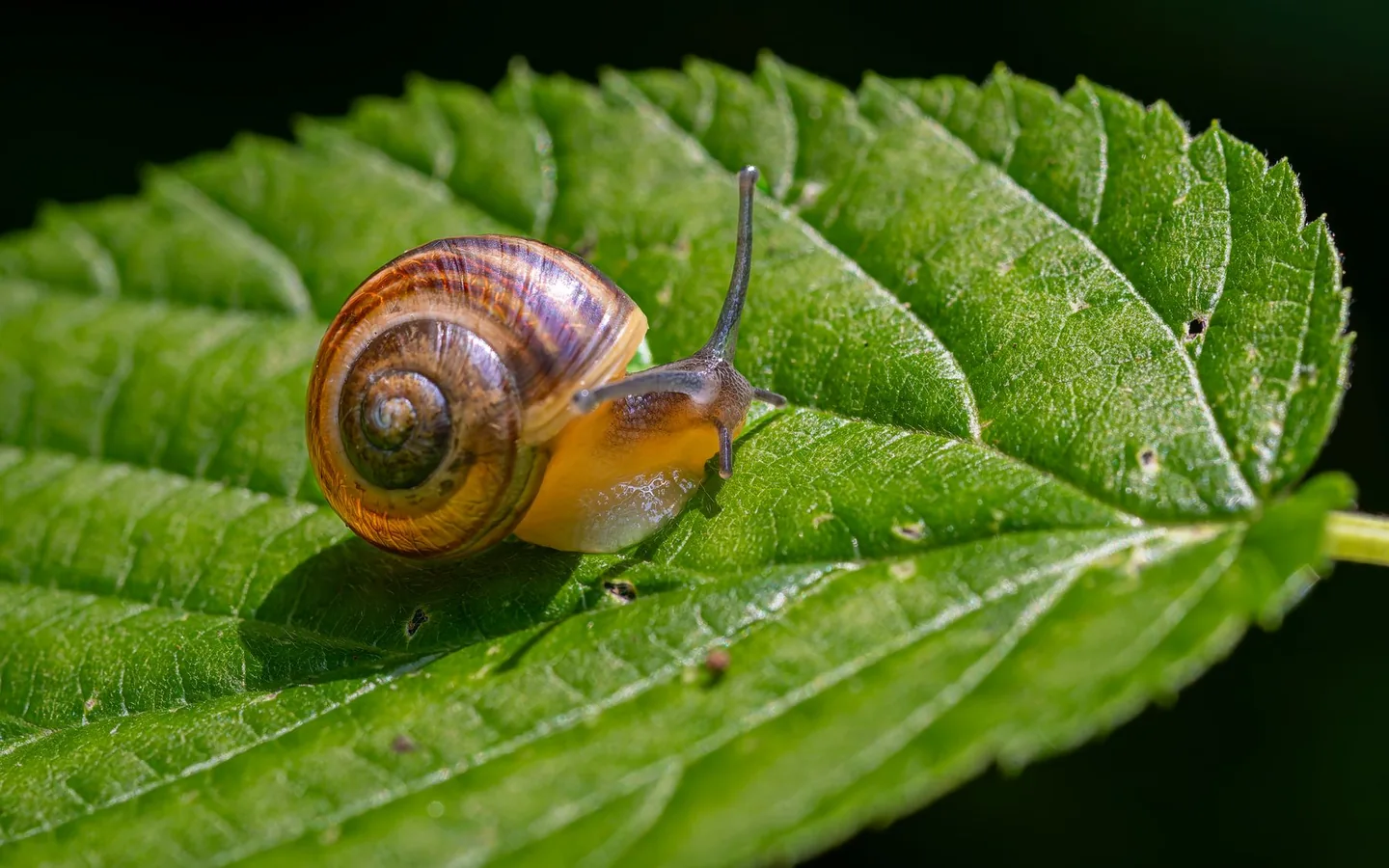
Protect seedlings, pots and garden plants from snails using hand removal, habitat changes and reliable barriers. Avoid ineffective home remedies.

Protect tulips, crocuses and other spring bulbs from squirrels in open borders using secure wire covers, bulb baskets and sensible planting methods.

Choose wildlife-friendly hedging for UK gardens: hawthorn, hazel, blackthorn, holly and dog rose, with spacing, planting and bird-safe trimming advice.
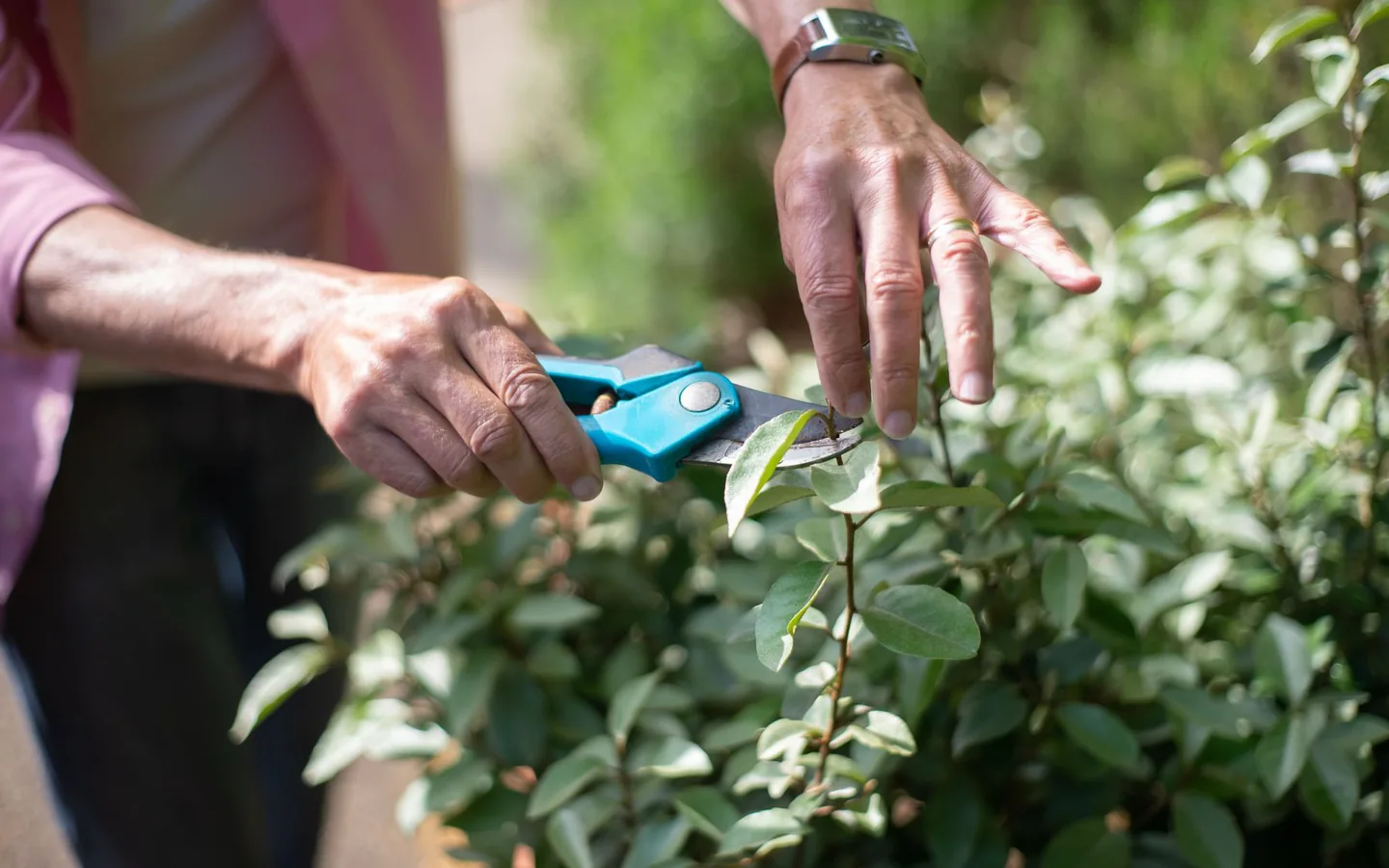
Avoid cutting off next year's flowers, damaging bark, topping trees and pruning at the wrong time. Twelve common UK garden pruning mistakes explained.

Deadhead repeat-flowering roses correctly, including clusters, ramblers and patio types. Learn where to cut, when to leave hips and common mistakes.

Take hydrangea softwood cuttings in late spring and summer, root them in compost and grow on safely. Includes timing, humidity, winter care and common failures.

Propagate roses using softwood cuttings in spring or hardwood stems in winter. Includes cutting lengths, compost, humidity, rooting and growing on.

Trim cherry and Portuguese laurel hedges with the right timing, clean cuts, safe bird-nest checks and a staged approach to overgrown hedges.

Prune Buddleja davidii hard in spring, but handle alternifolia and globosa differently. Clear steps for flowering, size control and wildlife care.

Shape camellia shrubs just after flowering, preserve developing buds and learn when hard renovation is appropriate for overgrown japonica or sasanqua.

Prune Group 2 clematis in February without losing the May–June flowers. Includes old-wood buds, summer deadheading, training and overgrown plant advice.

Prune Group 3 clematis in February or early March to the lowest healthy buds, usually 15–30cm high. Includes varieties, supports and exceptions.

Prune climbing roses in winter by keeping strong main stems, shortening flowered side shoots, training shoots sideways and renewing old wood carefully.

Prune flowering and foliage evergreen shrubs at the right UK time. Learn selective cuts, safe renovation and which plants resent old-wood pruning.

Prune hardy border fuchsias in spring, tender potted plants before new growth, and standard fuchsias without losing their shaped crown.

Prune Group 1 clematis after spring flowering, not in February. Includes montana, alpina, armandii, training and careful renovation.

Shape hebe shrubs with careful light pruning, deadheading and frost-damage checks. Learn why cutting into old bare wood can kill a mature hebe.

Prune holly shrubs, specimen trees and hedges with the right timing, selective branch cuts and berry protection. Includes variegated and overgrown holly.

Trim English lavender after flowering in late summer without cutting into bare woody stems. Includes French lavender, old plants and rounded shaping.

Learn to take plant cuttings successfully: softwood, semi-ripe and hardwood methods, choosing non-flowering stems, rooting compost and simple aftercare.

Divide overcrowded hostas in spring or late autumn without damaging their growing points. Learn how to split clumps, replant sections and care for them.

Divide herbaceous peonies in autumn without losing future flowers. Learn when to lift a clump, keep three growth buds, replant 2.5cm deep and care for it.

Learn when to prune UK mophead, lacecap, paniculata, arborescens and climbing hydrangeas without cutting off next summer's flower buds.

Divide ornamental grasses at the right time: early spring for cool-season types, late spring for warm-season grasses, with splitting and aftercare tips.

Know when to divide clump-forming perennials in UK gardens, which plants prefer spring or autumn, and how to split, replant and water divisions.

Tidy your UK garden in autumn without stripping wildlife habitat. Clear disease and paths, manage leaves, protect pots and leave useful stems and seedheads.

April garden checklist for pruning, lawn repairs, fruit blossom protection, dividing perennials, pond care and greenhouse tasks, without rushing tender plants.
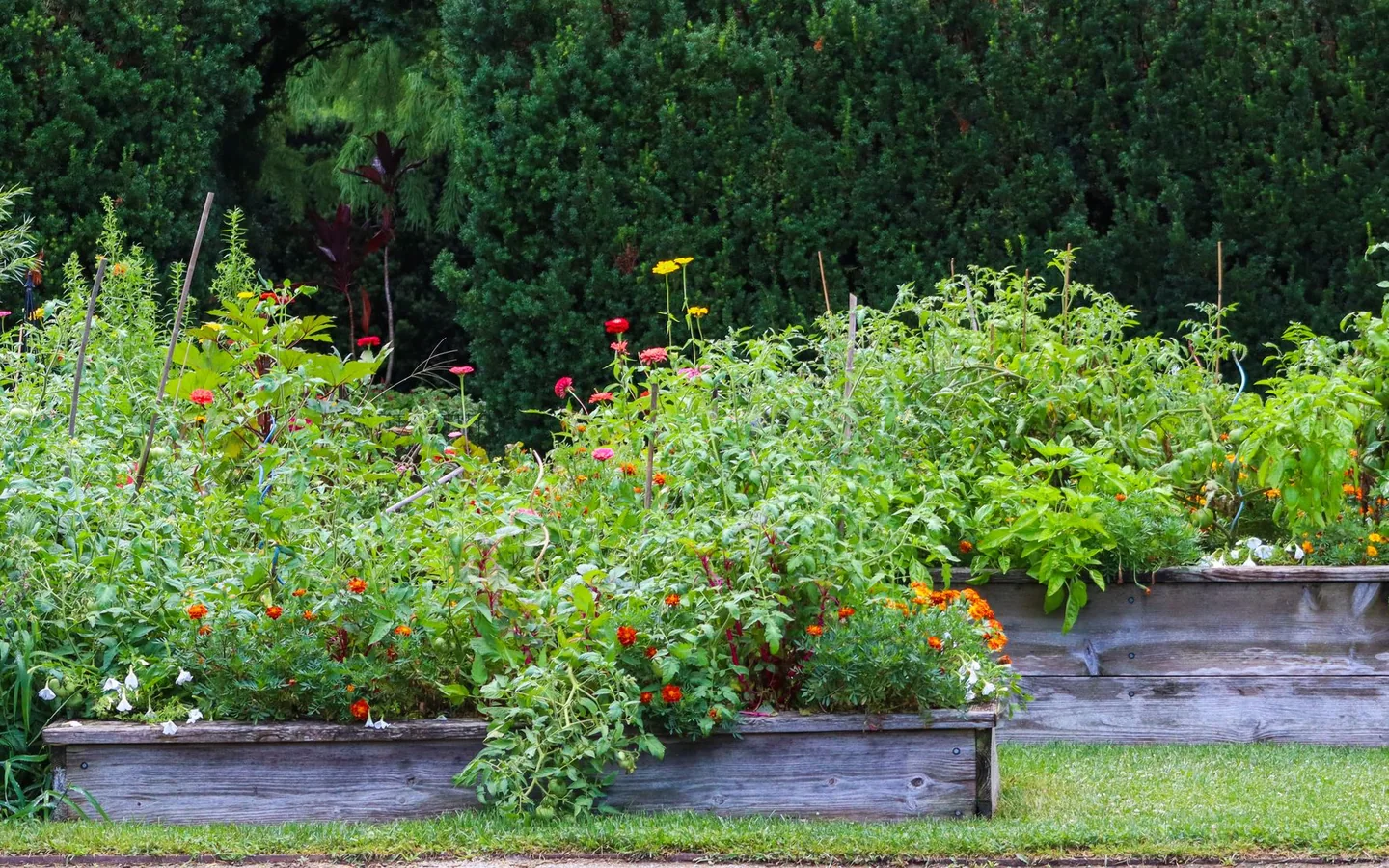
August garden checklist for harvesting, watering, pruning trained fruit, taking cuttings, managing strawberry runners and preparing autumn beds.

A practical July garden checklist for watering, deadheading, harvesting, training, greenhouse ventilation and summer fruit care without wasting water.

June gardening jobs for UK lawns, flowers, vegetables and greenhouses. Plant tender crops after frost, water wisely, support growth and check pests.

Prioritise March garden tasks: tidy borders, prune suitable shrubs, check frost protection, inspect ponds, start mowing and prepare vegetable beds safely.

Practical UK May garden jobs for lawn mowing, weeds, pruning spring shrubs, frost protection, fruit blossom, greenhouse ventilation and wildlife.

A practical September UK gardening jobs checklist: lawns, borders, harvesting, bulbs, fruit, greenhouse crops, compost and preparing for autumn weather.
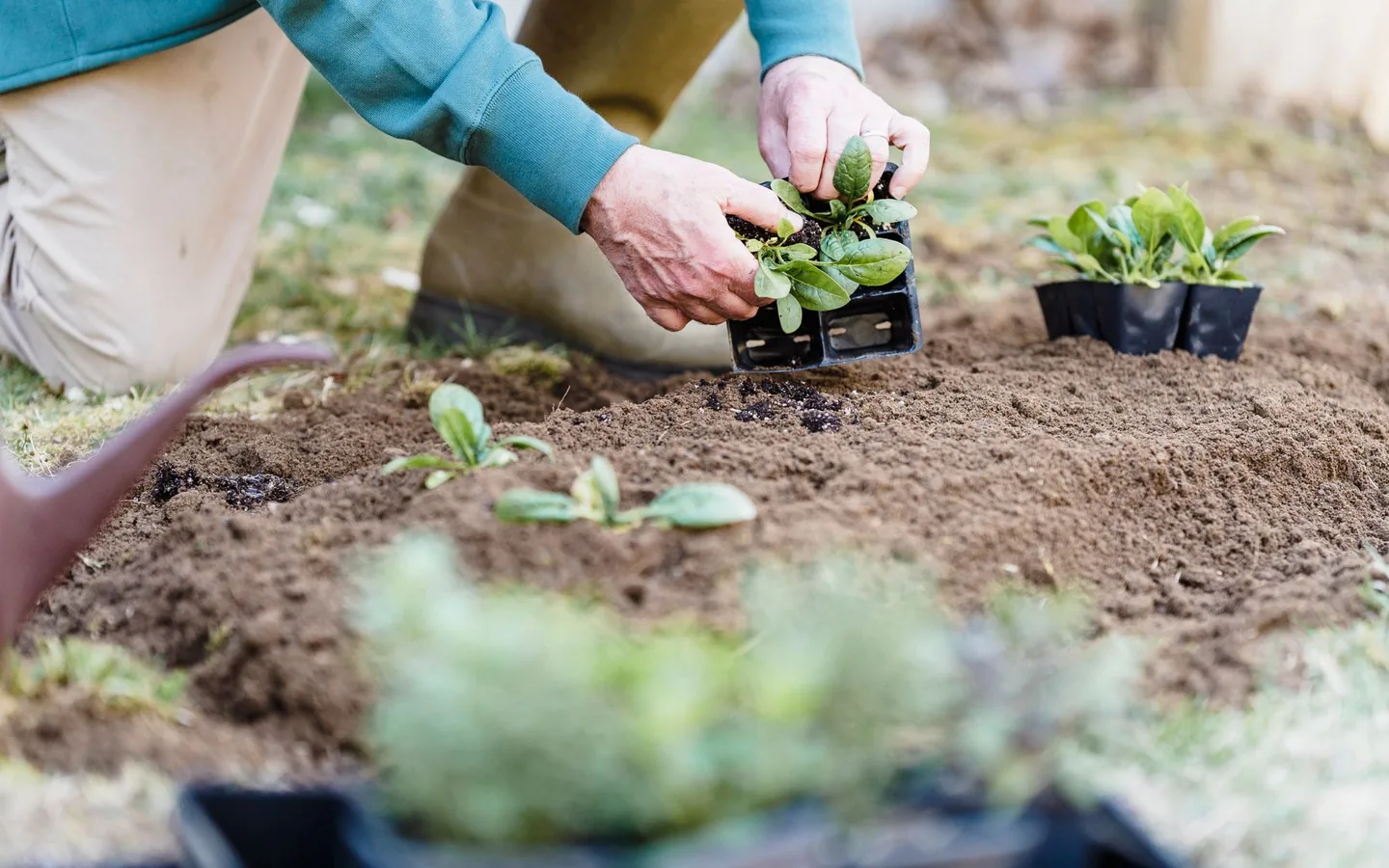
May planting guide for UK vegetables, summer bedding, dahlias, pots and direct-sown crops. Know what must wait until after the last frost.
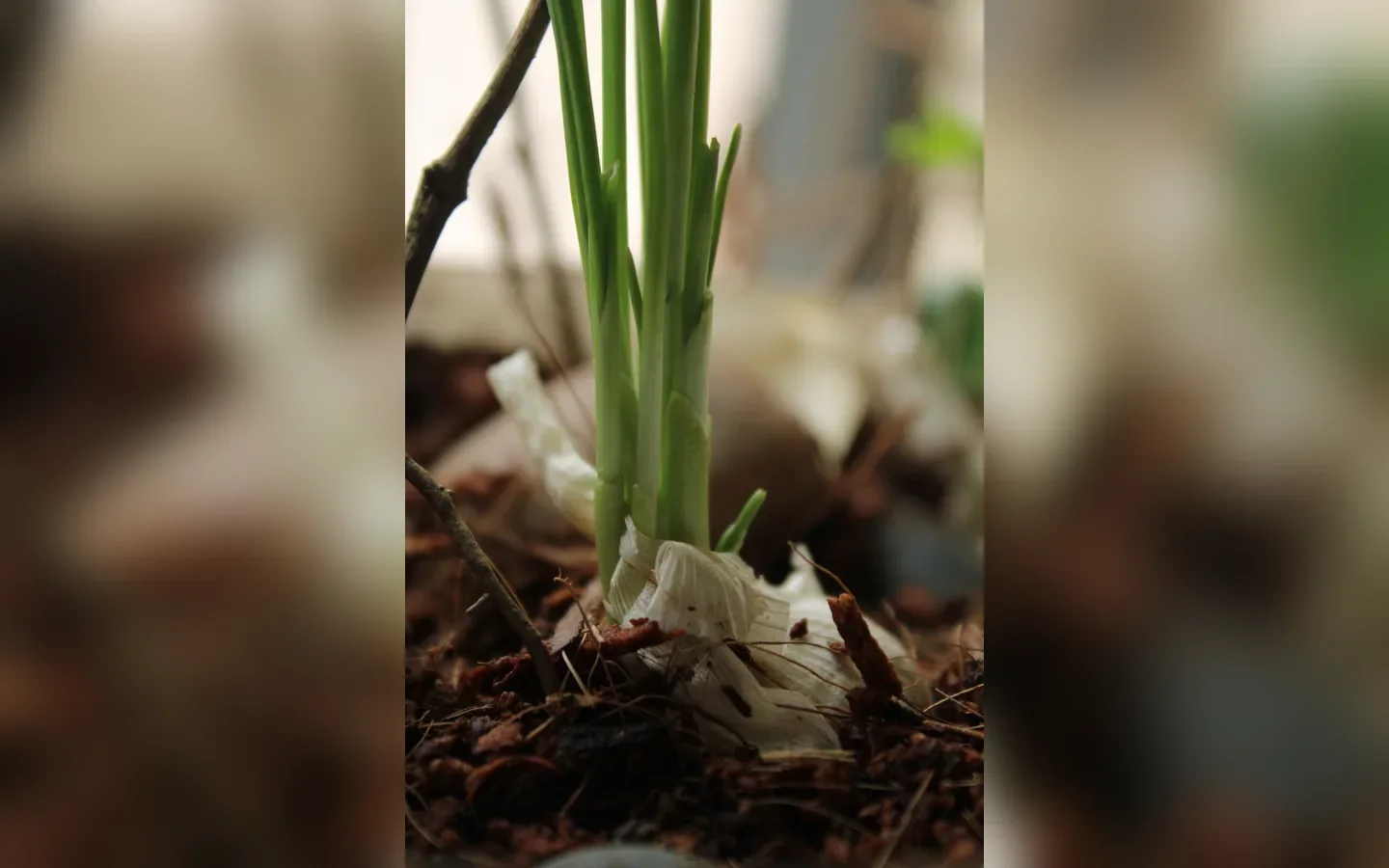
A practical October UK planting guide for garlic, overwintering onion sets, broad beans, spring bulbs, winter salads, shrubs and fruit, with weather cautions.
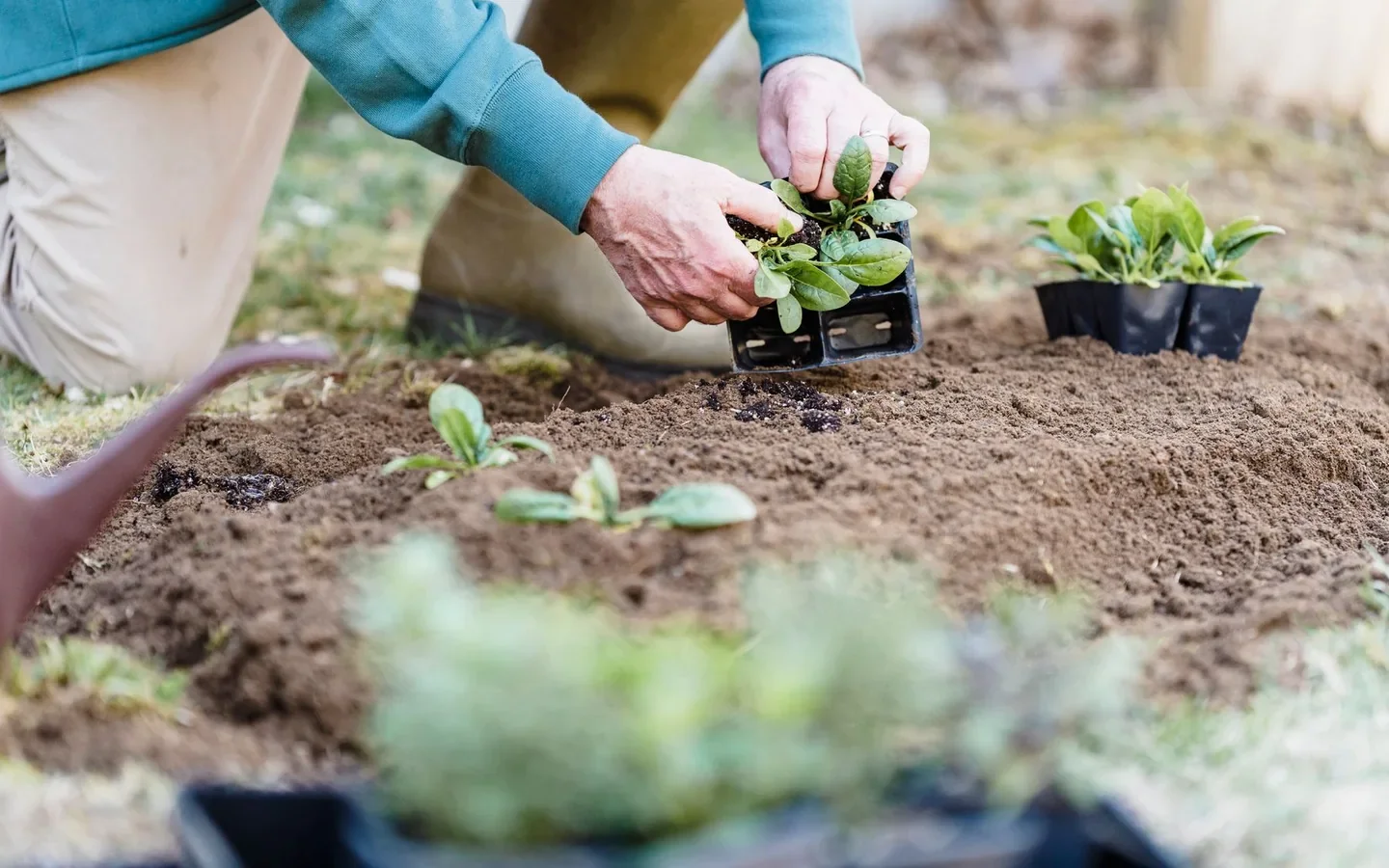
Make the most of September in UK gardens: hardy salads, overwintering onions, spring bulbs, perennials and strawberries, with practical timing advice.

April UK seed-sowing calendar for carrots, beetroot, peas, hardy annuals, courgettes and tomatoes. Separate outdoor sowing from tender seeds indoors.

UK June seed-sowing calendar for beans, beetroot, salads, turnips, carrots and flowers, including later sowings, heat and watering precautions.

March UK seed-sowing guide for peas, broad beans, carrots, radish, hardy flowers and tomatoes indoors. Includes soil conditions and frost precautions.

Find flowers and flowering perennials that cope with clay soil in the UK, with practical tips for drainage, improving structure and planting.

Choose shrubs, flowers and fruit for naturally acidic UK soils, from rhododendrons to blueberries, with pH testing and container advice.
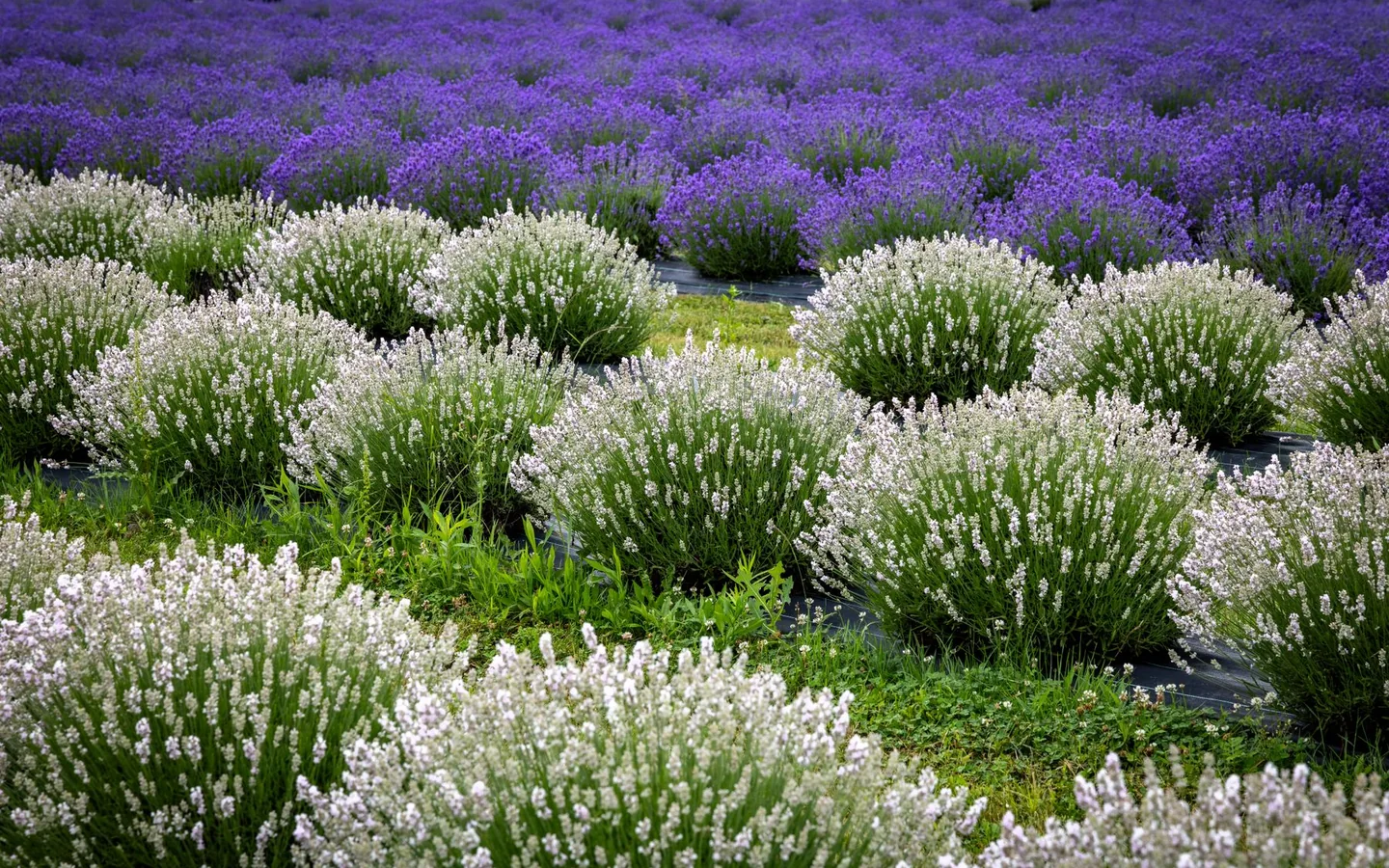
Find flowers, shrubs and ground cover for chalky UK soil. Learn what grows in alkaline, free-draining ground and how to improve shallow chalk.

Find plants for boggy, wet UK garden soil and learn when drainage matters more than plant choice. Includes moisture-loving perennials, shrubs and care.

Choose a raised vegetable bed width, length and depth you can actually reach. Includes 1.2m beds, wheelchair access, deep-rooted crops and soil volumes.

Compare untreated larch, cedar, oak, pressure-treated softwood and sleepers for UK raised beds. Focus on lifespan, safe treatment and structural strength.
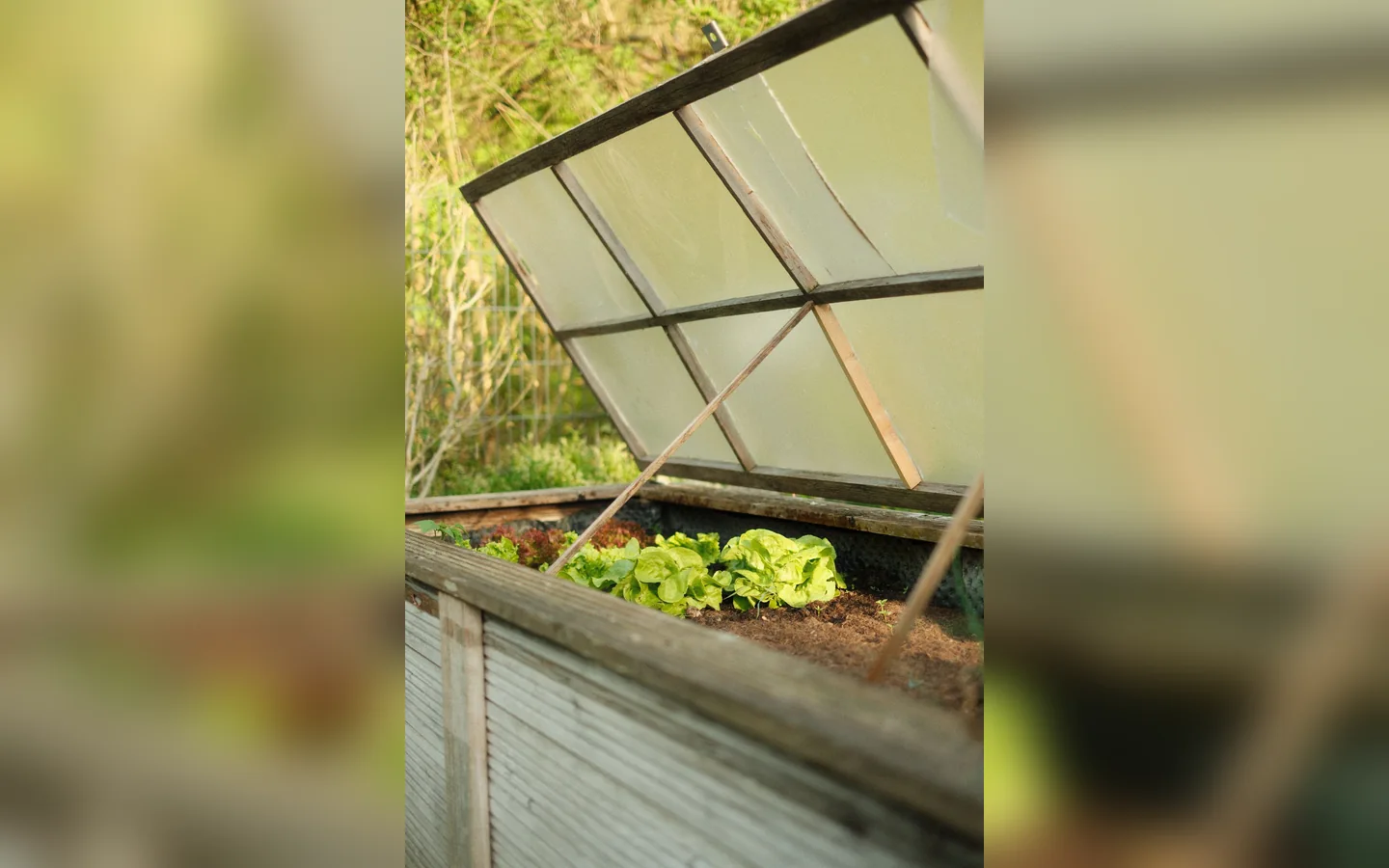
Build a raised bed on concrete or paving with safe drainage, enough root depth and a suitable soil mix. Check loading, runoff and foundations first.

Learn when old potting compost can be reused, how to refresh it, when to avoid it and where spent compost is still useful in the garden.

Rescue wet compost with dry browns, airflow and proper drainage. Diagnose sour smells, slimy grass and excess rain in UK garden bins and tumblers.
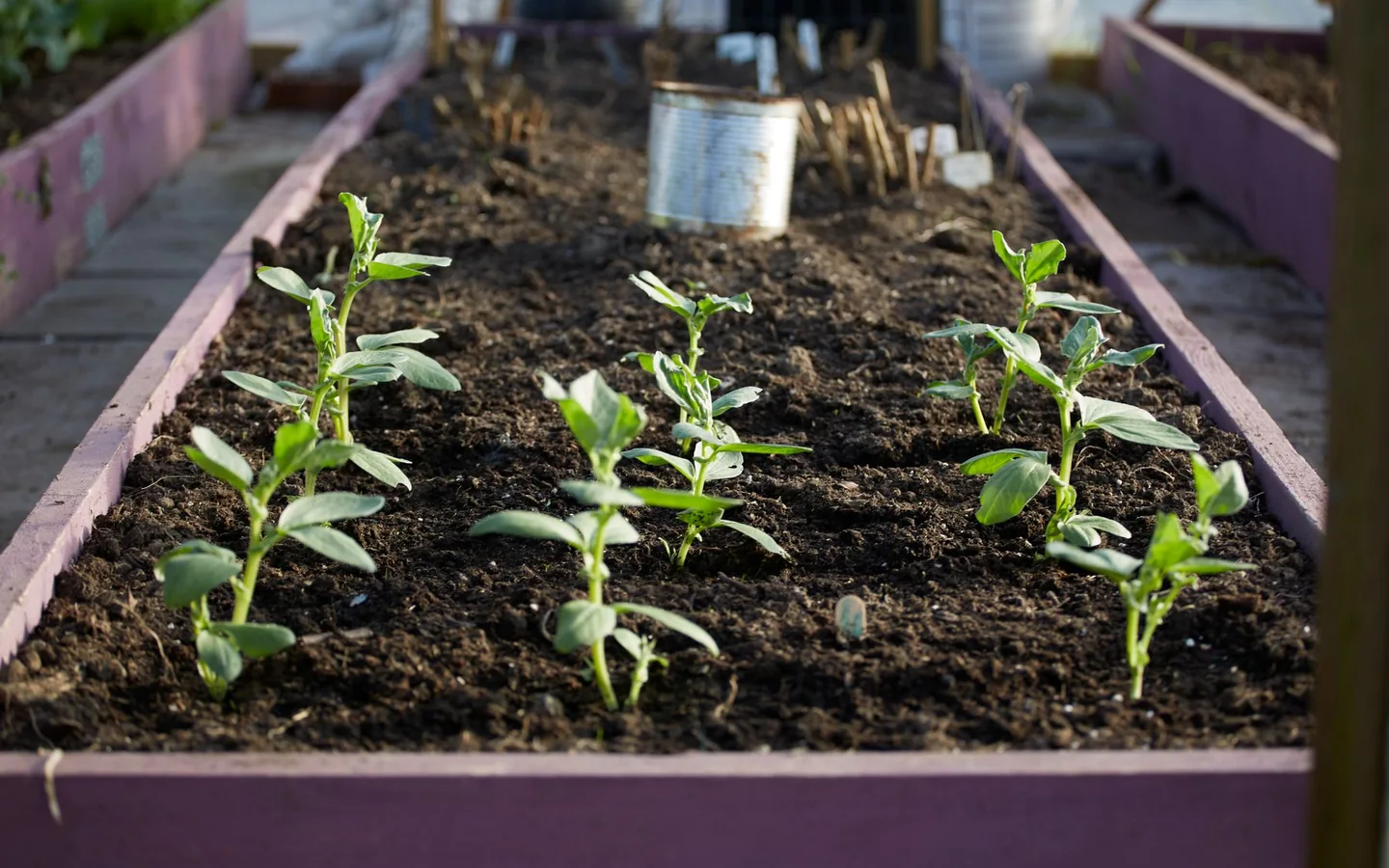
Learn whether to line timber raised beds, what material to use, and why blocking bottom drainage harms vegetable roots. Includes weeds and timber treatments.

Create a planted gravel garden with drought-tolerant flowers, grasses and shrubs. Includes UK soil preparation, gravel depth, layout and winter drainage.

Choose UK green manures for bare vegetable beds, from phacelia and mustard to winter tares and grazing rye. Includes sowing windows and follow-on crops.

Improve compacted garden soil with aeration, careful loosening, organic matter and reduced foot traffic. Separate safe fixes for lawns and borders.

Improve heavy UK clay soil with organic matter, suitable timing, raised beds and better structure. Learn why adding sand or gypsum blindly may fail.

Help sandy garden soil retain moisture and nutrients with mature compost, mulch and sensible watering. Includes vegetables, lawns and what not to add.
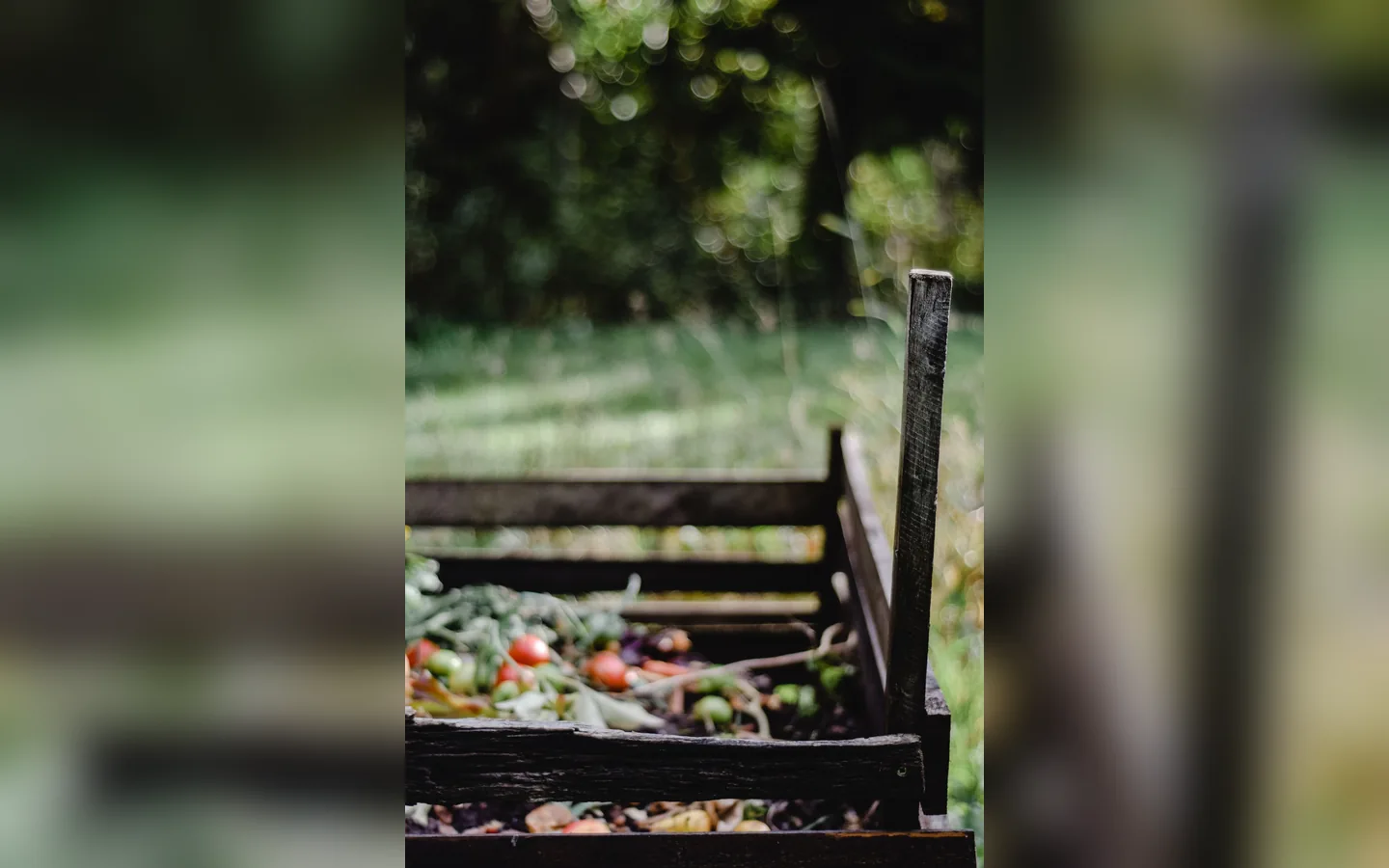
Make garden compost from kitchen scraps and garden waste using the right mix, moisture and airflow. Includes safe ingredients, timing and when it's ready.

Turn autumn leaves into free leaf mould using perforated bags or a wire cage. Learn moisture levels, shredding, decomposition time and garden uses.

Protect winter vegetables and spring seedlings in raised beds with fleece, cloches and hoop tunnels. Includes night temperatures, ventilation and safe fixing.

Protect raised-bed seedlings from slugs with night checks, targeted removal, crop covers and evidence-based controls. Learn which popular barriers fail.

Test garden soil pH using a proper home kit and representative samples. Learn how to read results, avoid vinegar myths and decide when a lab test helps.

Use mature leaf mould as mulch, soil conditioner and part of suitable potting mixes. Learn where to spread it, how much to use and what to avoid.
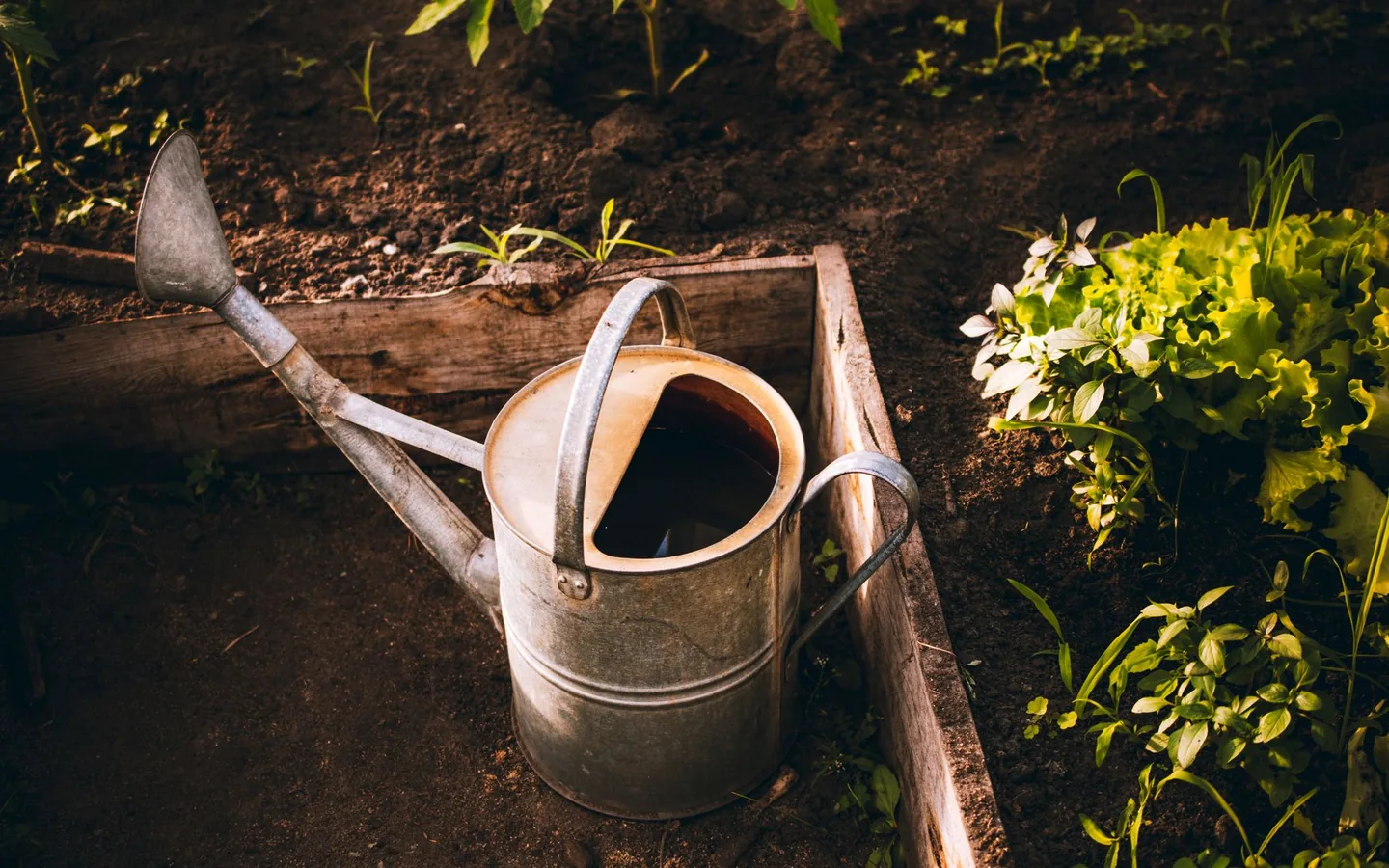
Water raised vegetable beds according to root depth, soil and UK weather. Includes new seedlings, drought, mulch, drip irrigation and safe drainage.

Put raised garden beds directly onto a lawn with proper turf preparation, root access, drainage and weed control. When to lift grass or use cardboard.
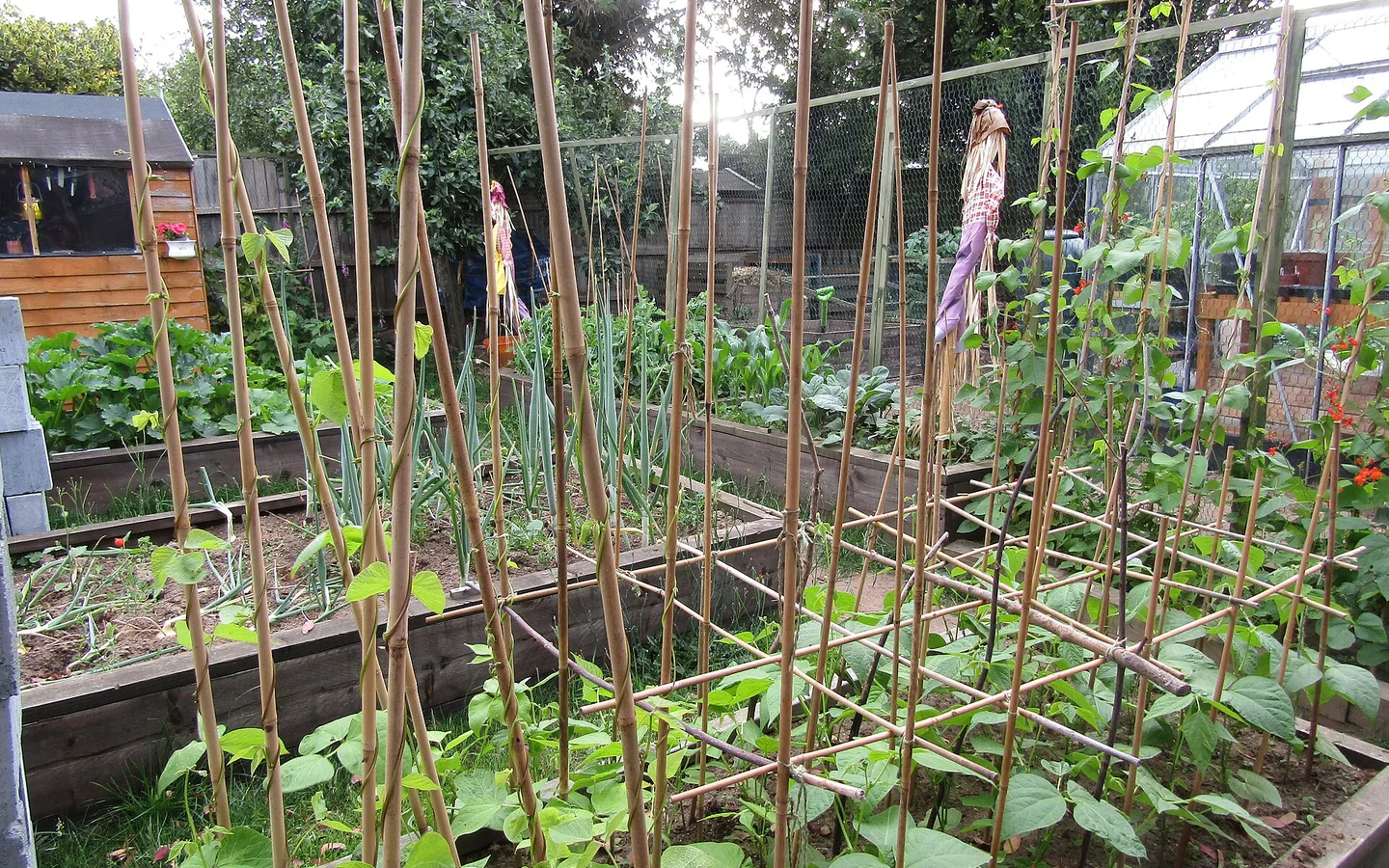
Plan your first raised vegetable bed: choose dimensions, location, soil, crops, watering and a simple first-season planting plan.

Plan a productive UK raised vegetable bed with sample spring, summer and autumn layouts, plant spacing, succession sowing and crop rotation.

Mix raised-bed soil using good topsoil, mature organic matter and horticultural grit or sharp sand where needed. Includes UK ratios and drainage checks.

Understand loam soil's mix of sand, silt and clay, how to identify it by touch and how to improve sandy or clay soil without chasing a perfect recipe.

Understand peat-free compost ingredients, how coir, wood fibre and bark behave, and which mixes work for seeds, pots and acid-loving plants.
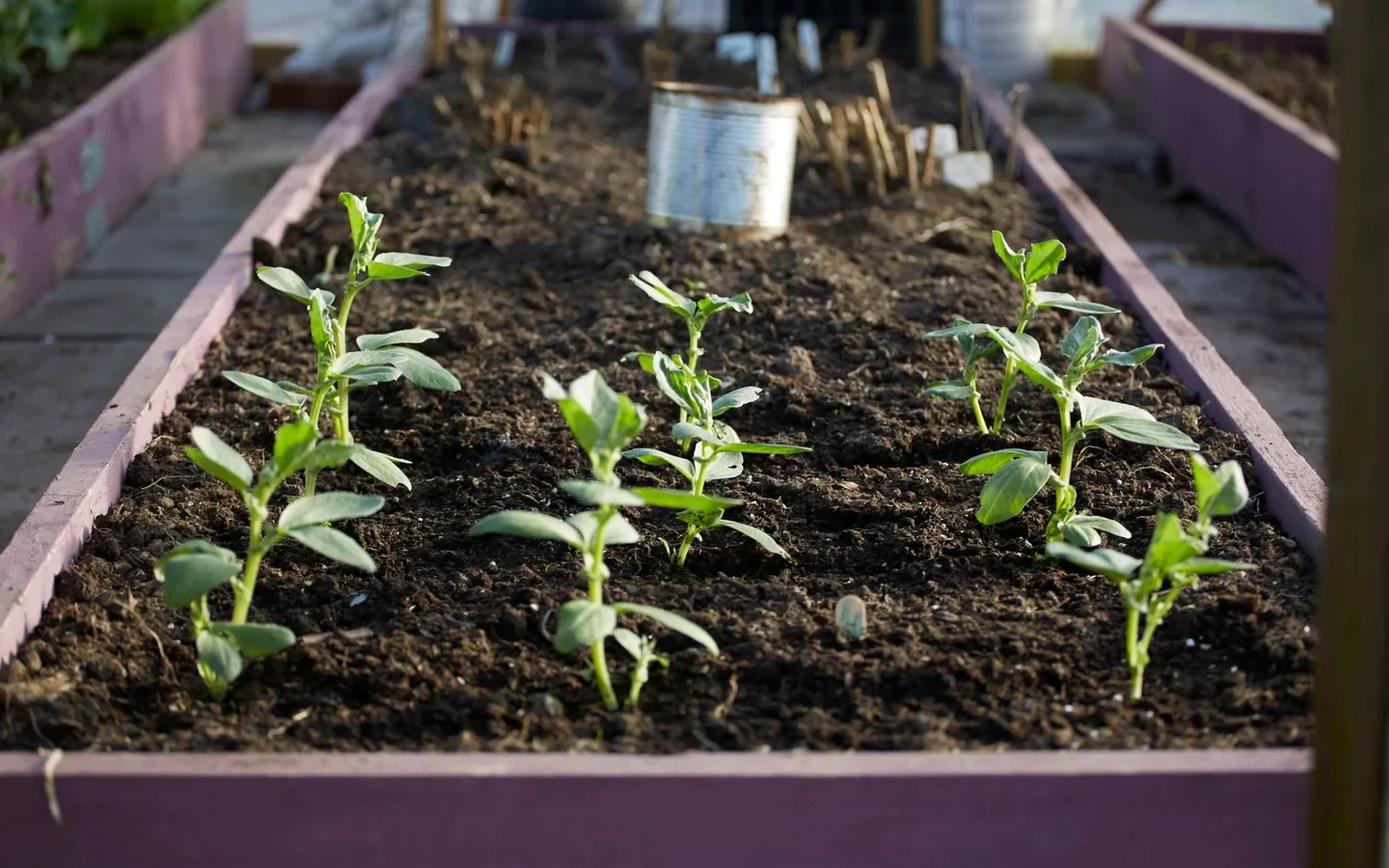
Should you put cardboard, stones, mesh or branches under a raised bed? Get the right base for grass, soil or concrete without harming drainage or roots.

Know when to mulch UK borders, vegetable beds and roses, with spring versus autumn timing, safe depths and when not to mulch wet or frozen soil.

Grow vegetables in hanging baskets with realistic crop choices for UK gardens. Compare tumbling tomatoes, salad leaves, chillies and the care they need.

Plan simple crop rotation for UK vegetable beds using brassicas, alliums, potatoes and legumes. Includes a practical four-bed example and small-plot alternatives.

Grow aubergines in the UK with warm seed sowing, greenhouse or sheltered outdoor planting, feeding, hand-pollination tips and ripe fruit harvesting.
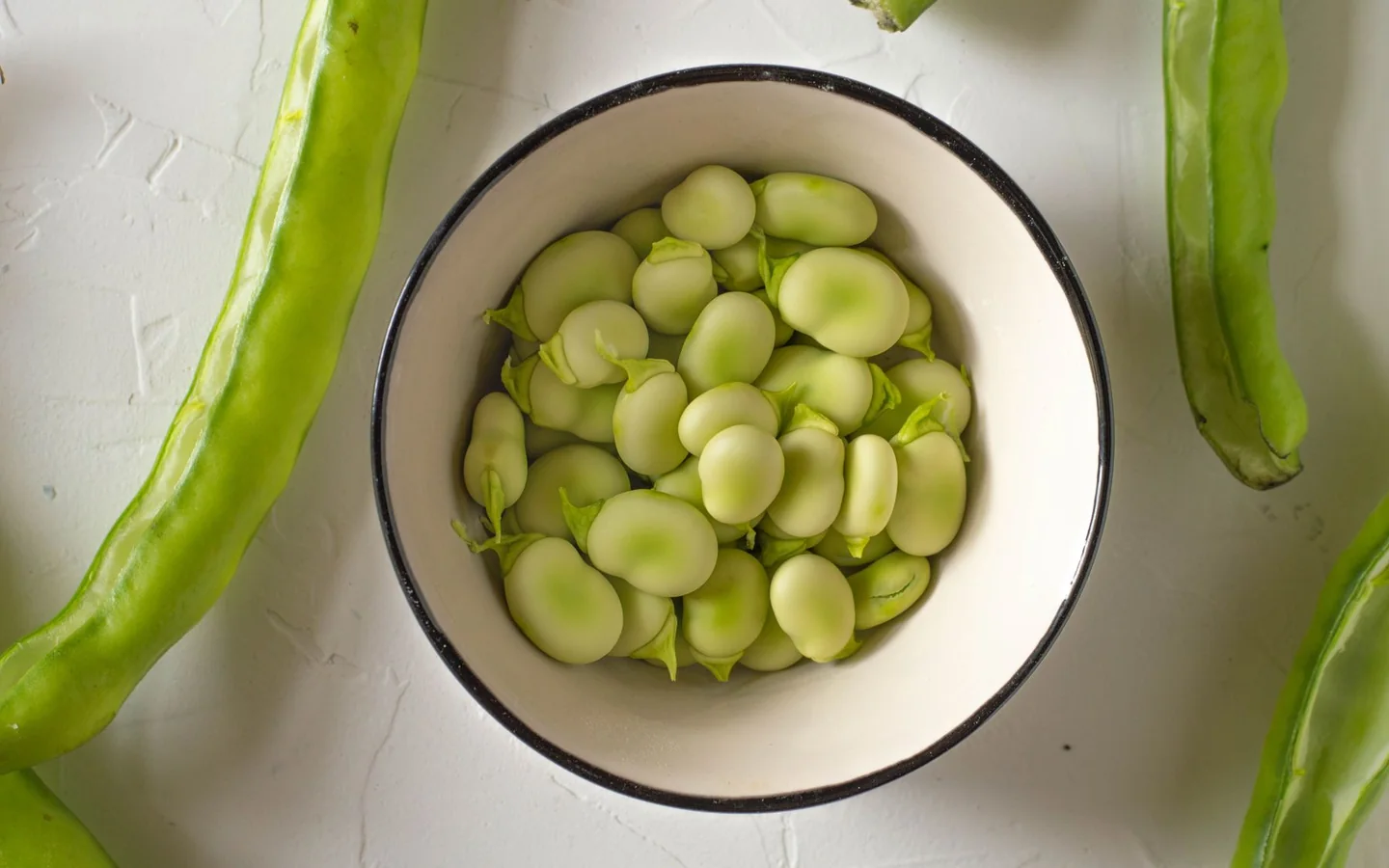
Grow broad beans in UK soil or pots with autumn or spring sowing, support, watering at flowering, blackfly checks and picking tender pods.

Grow carrots in pots and troughs in the UK: choose a deep enough container, sow directly, thin seedlings, water evenly and prevent carrot fly.

Grow cauliflower in the UK with seasonal varieties, steady moisture, firm transplanting, caterpillar netting and harvesting compact white or coloured heads.
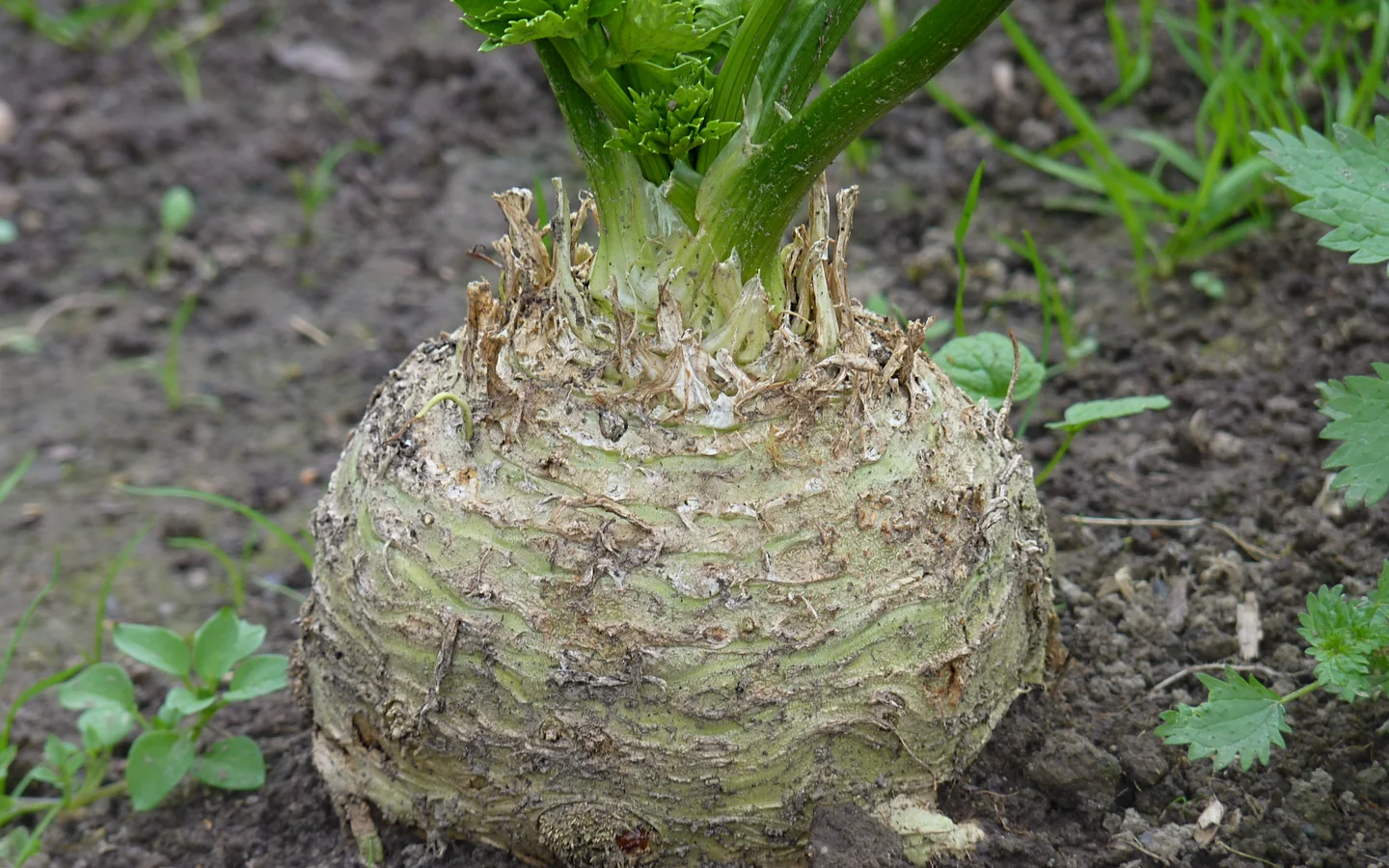
Grow celeriac in UK gardens from March seed sowing to winter harvest. Learn planting, steady watering, spacing, bolting prevention and root storage.

Grow courgettes in UK beds or large pots with the right sowing temperature, spacing, watering, pollination and regular harvesting for tender fruit.

Grow French beans from seed in the UK, choosing dwarf or climbing varieties. Get sowing dates, supports, watering, container advice and harvest timing.
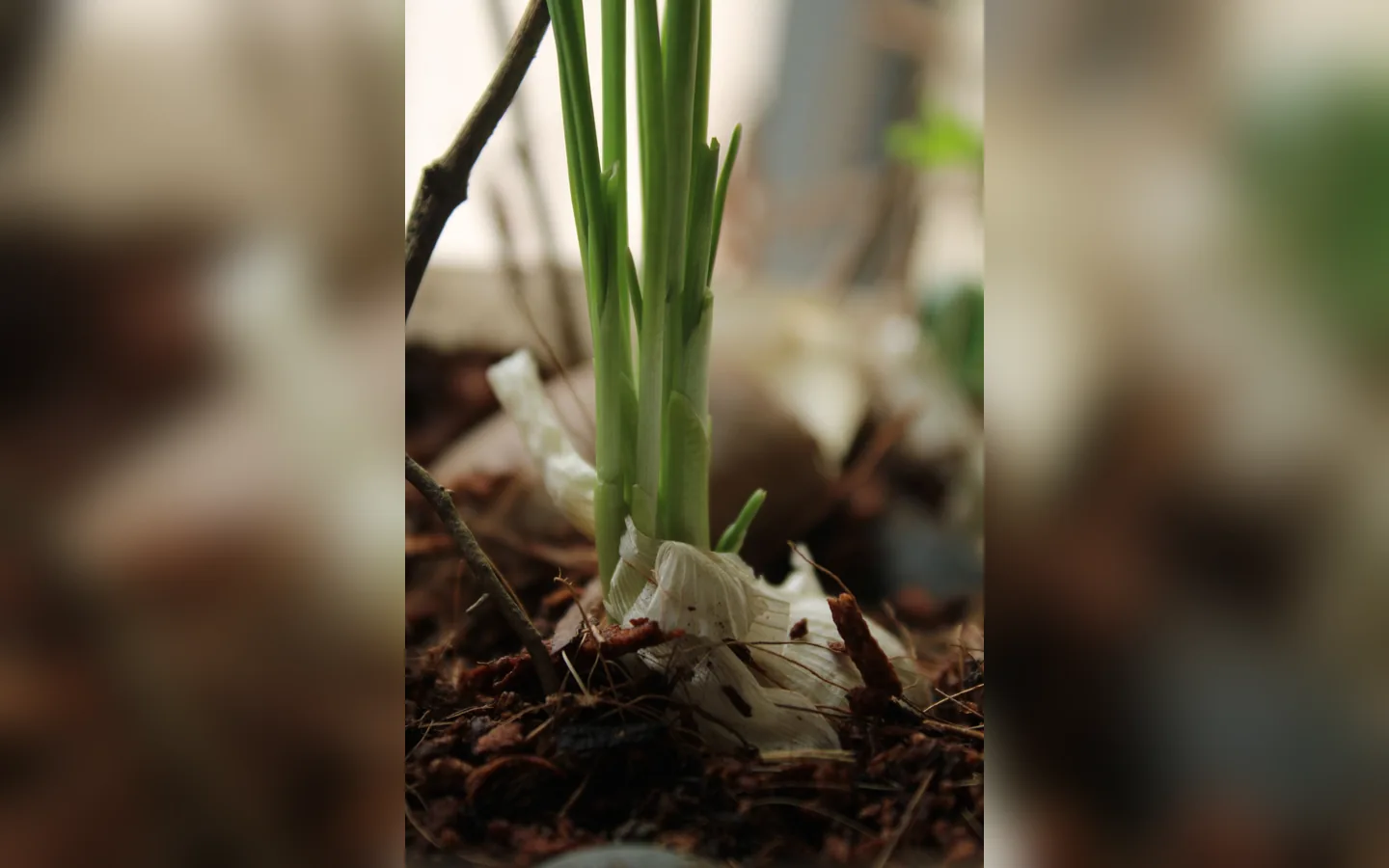
Grow garlic successfully in UK garden soil or containers, from choosing hardneck and softneck varieties to spacing, feeding, rust, watering and bulb development.

Grow globe artichokes in UK gardens: sunny planting, spacing, first-year care, winter protection, division and harvesting tender unopened buds.
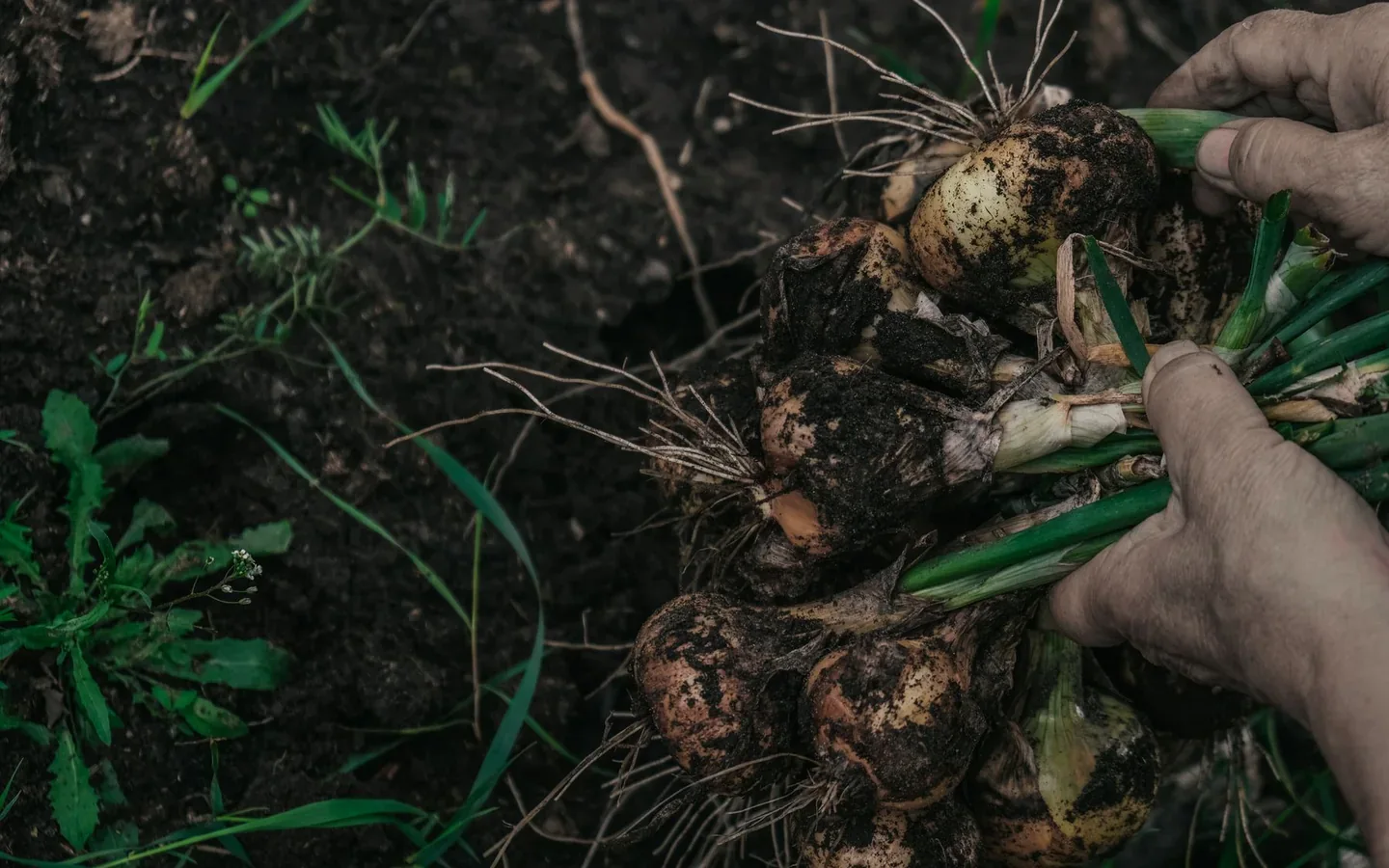
Plant onion sets in the UK at the correct depth and spacing, reduce bolting and rot, water steadily, and lift mature onions ready for curing and storage.

Grow parsnips from fresh seed in UK gardens: spring sowing, thin soil drills, careful weeding, carrot fly protection and healthy winter roots.

Grow potatoes in bags on a UK patio with the right size container, seed tubers, compost, earthing up, watering and harvest timing.

Grow crisp radishes in the UK: choose salad or winter types, sow at the right depth, thin roots, water evenly and avoid hot, woody crops.

Grow runner beans from seed in UK gardens with warm sowing dates, sturdy supports, moisture at flowering, regular picking and safe pest protection.
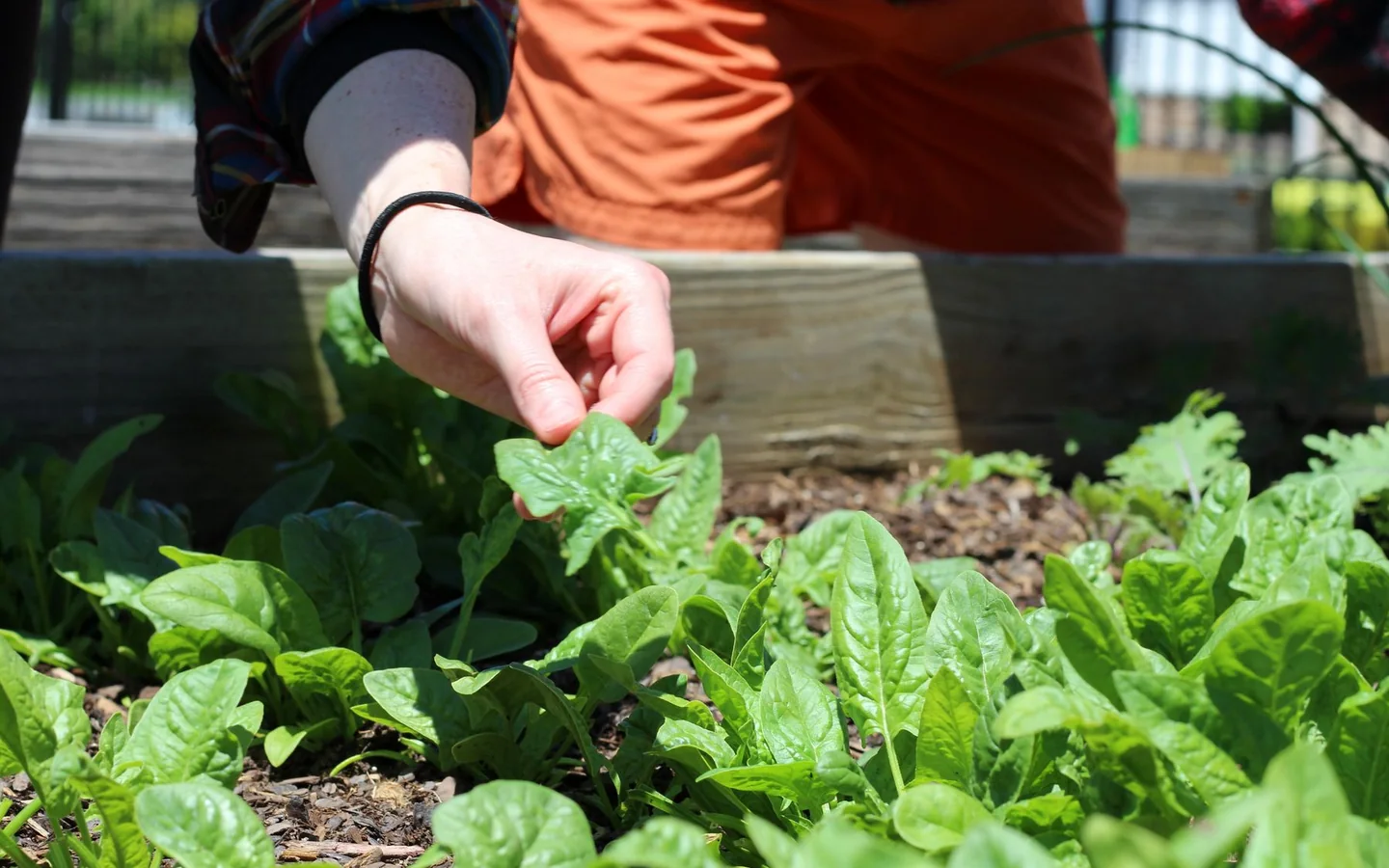
Grow spinach in the UK with spring and autumn sowings, cool soil, careful watering, thinning, container tips and harvesting before plants bolt.

Grow spring onions in UK beds or containers with shallow 1cm sowing, March-to-autumn succession, thinning, watering and harvesting tender stems.

Grow summer and winter squash in UK gardens: sow after spring, space plants properly, manage watering and pollination, then harvest and store ripe fruit.

Grow Swiss chard from seed in UK beds or pots. Learn sowing dates, spacing, colourful stems, watering, cut-and-come-again harvesting and winter protection.
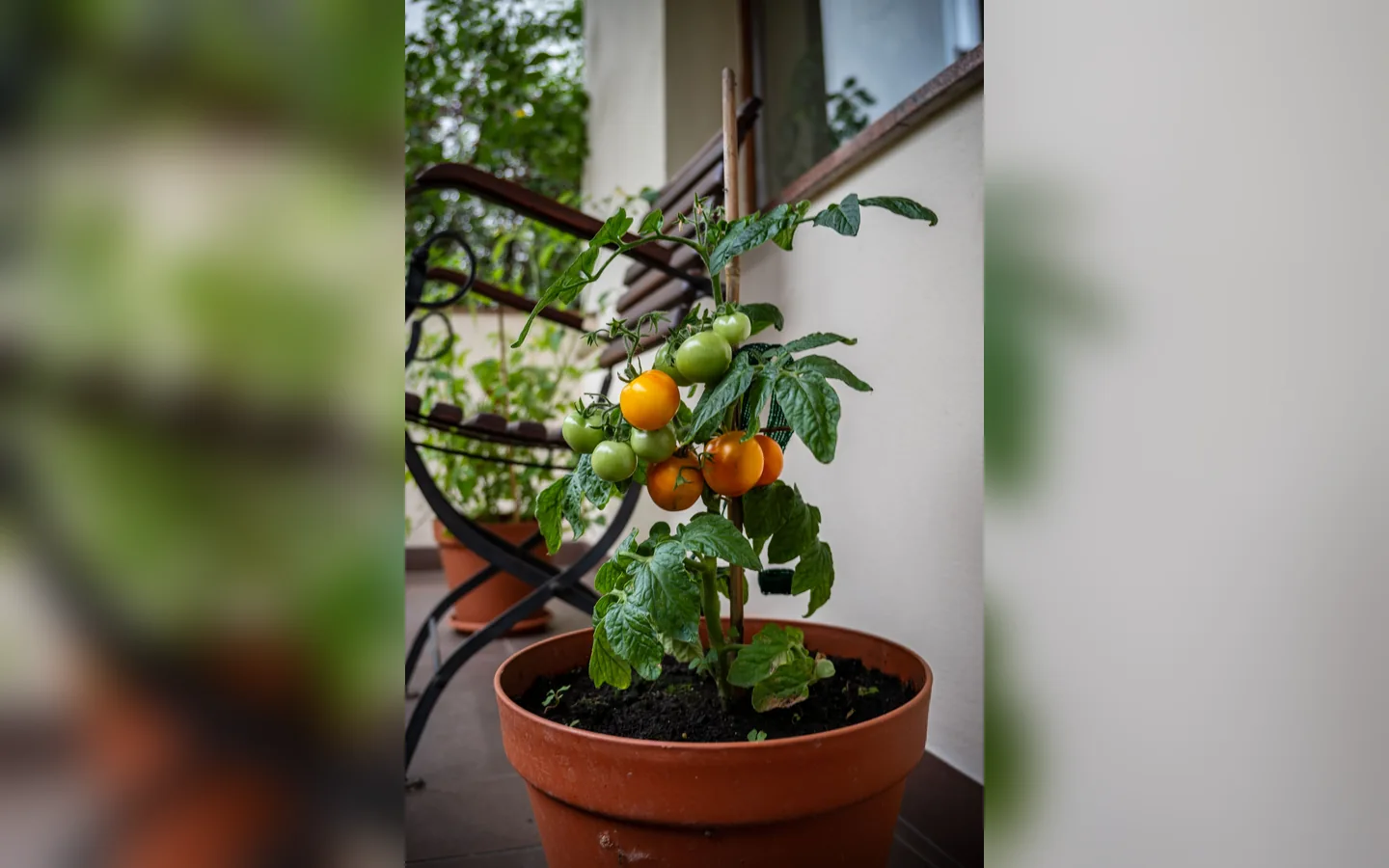
Grow tomatoes in UK patio pots with correct 30–45cm container size, compost, support, feeding and watering. Understand bush versus cordon pruning.
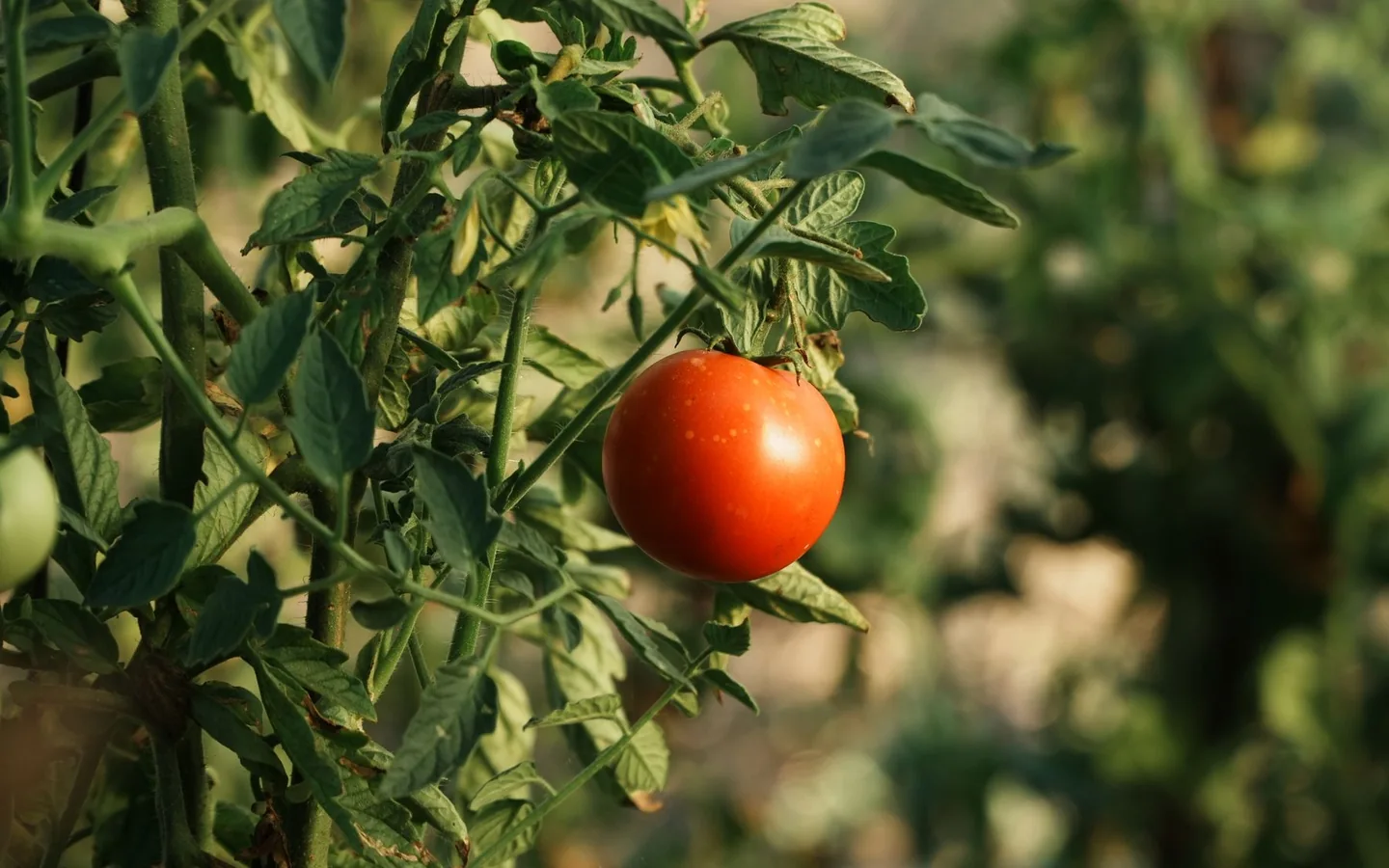
Grow outdoor tomatoes successfully in the UK with warm site choice, frost-safe planting, spacing, training, watering and blight awareness.

Reduce late blight risk on potatoes using resistant varieties, early crops, earthing up and timely action after infection. UK practical guide.

Recognise tomato late blight, reduce wet foliage and spread, choose resistant varieties and manage infected plants. Learn why blight has no simple cure.

Save vegetable seed from peas, beans and tomatoes safely. Learn which crops breed true, how to dry and label seed, avoid hybrid surprises and store it well.

Prevent carrot root fly with fine insect mesh, careful thinning and less-susceptible varieties. Learn to spot tunnels and protect UK carrot crops.
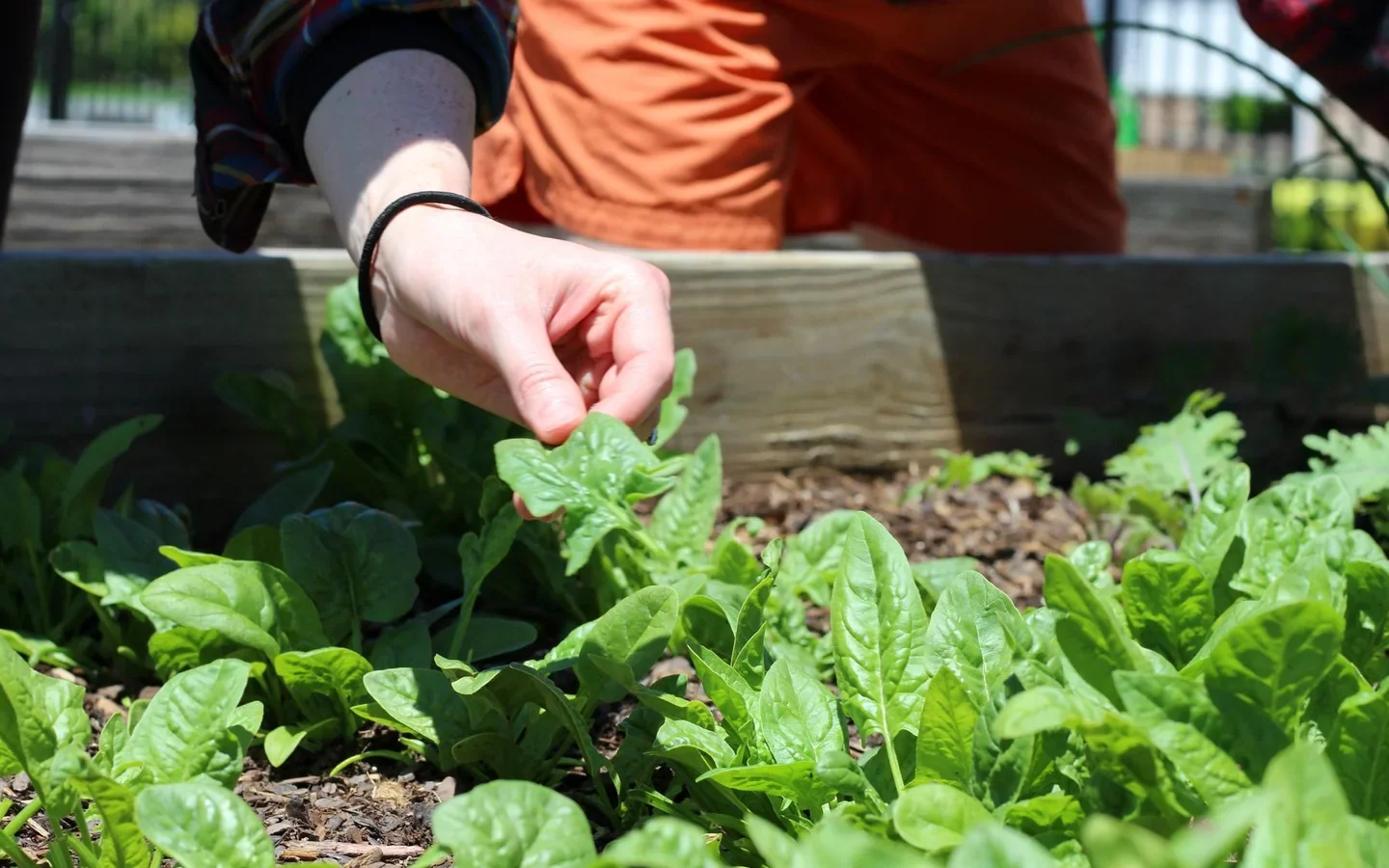
Stop spinach rushing into flower by choosing cool-season sowing dates, suitable varieties, steady moisture and timely picking. Know what to do after bolting.
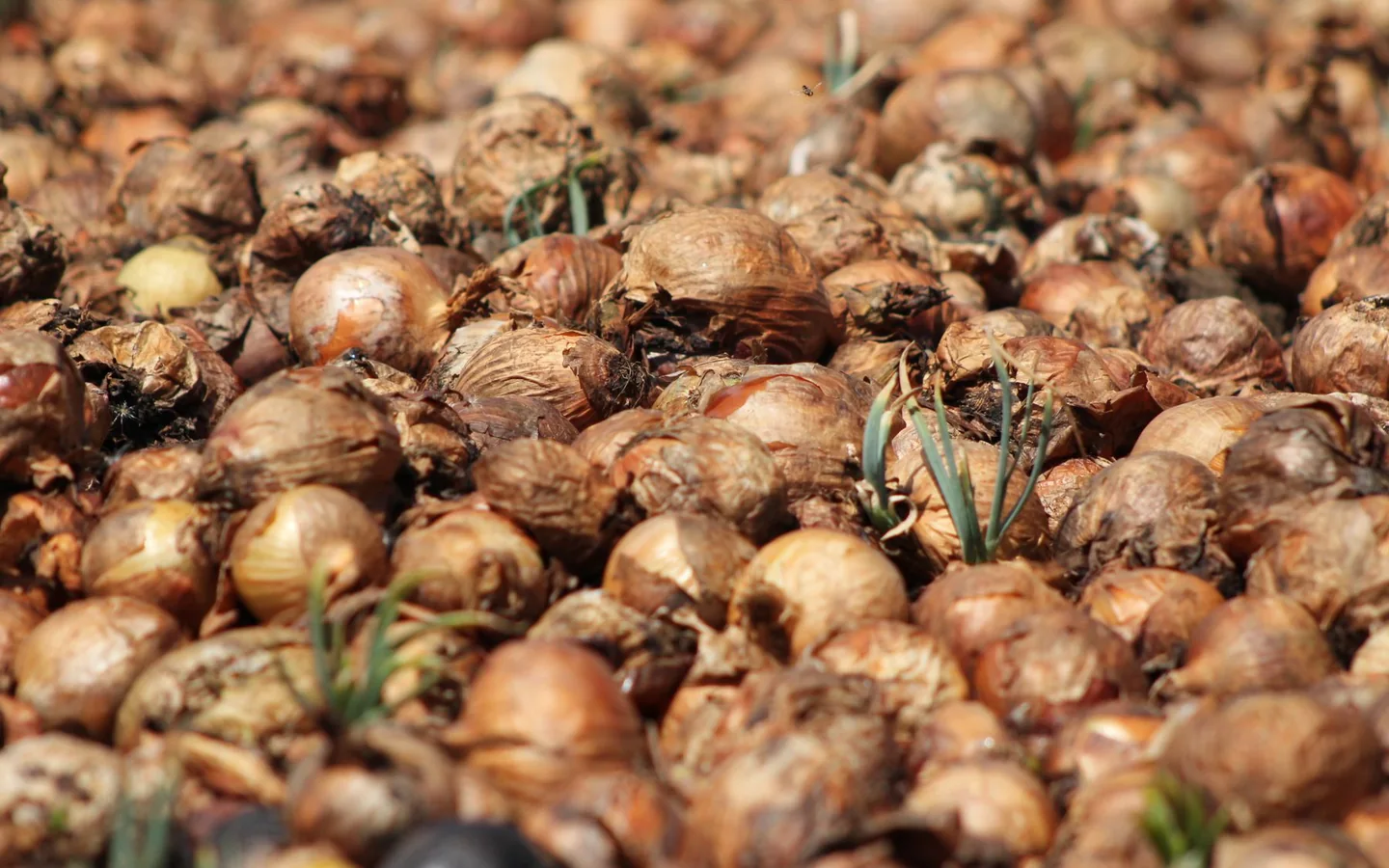
Dry and store homegrown onions correctly with two-week curing, airy trays or strings, a cool dry location and checks for neck rot and sprouting.

Store home-grown maincrop potatoes in a cool, dark, frost-free ventilated place. Learn skin setting, safe sorting, sprouting, green potatoes and rot checks.
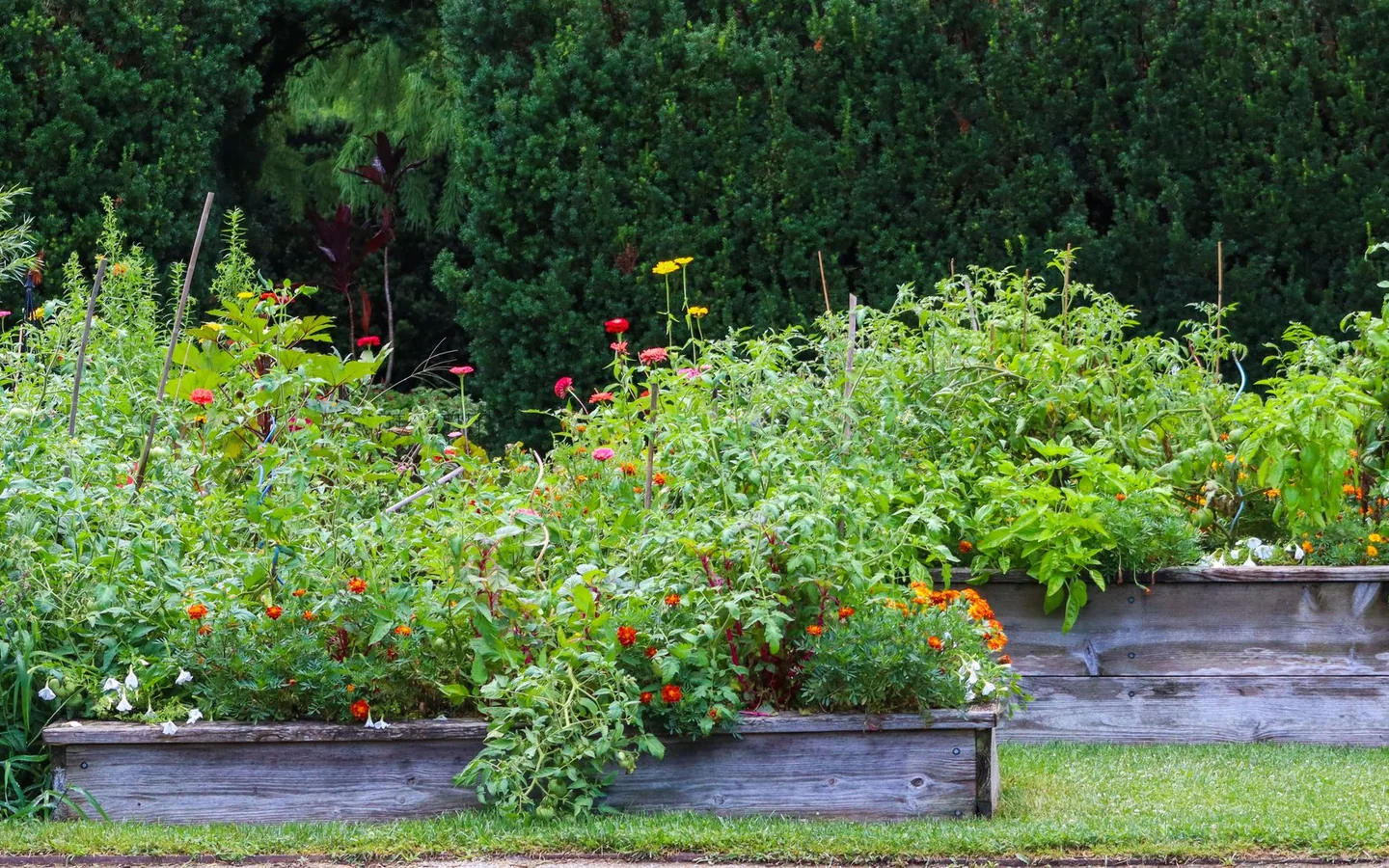
Plan a beginner vegetable garden in the UK with six manageable crops, realistic space, soil preparation, sowing dates, watering and a first-year layout.

Find out when UK garlic is ready to harvest, how to judge yellowing leaves, lift bulbs without damage and cure them for longer storage.

Know when UK onions are ready to lift, from fallen tops and dry necks to the right weather for lifting autumn and spring-planted bulbs.

Know when UK parsnips are ready to lift, why frost improves sweetness, how to harvest for Christmas and protect roots in frozen ground.

Know when vegetables are ready to pick in the UK. Check size, colour, texture and season for beans, peas, carrots, beetroot, potatoes, tomatoes and more.

UK bean planting calendar comparing hardy broad beans with frost-tender French and runner beans. Includes soil warmth, indoor starts and planting out.

Learn when to sow carrots in the UK, from early protected crops to April–July main sowings, with soil warmth, 1cm seed depth and carrot fly advice.

Know when to plant first early, second early and maincrop seed potatoes in the UK, with chitting dates, planting depth, spacing and frost care.

Find the right UK tomato seed-sowing window for greenhouses and outdoor crops, with germination temperature, potting on and frost-safe planting.
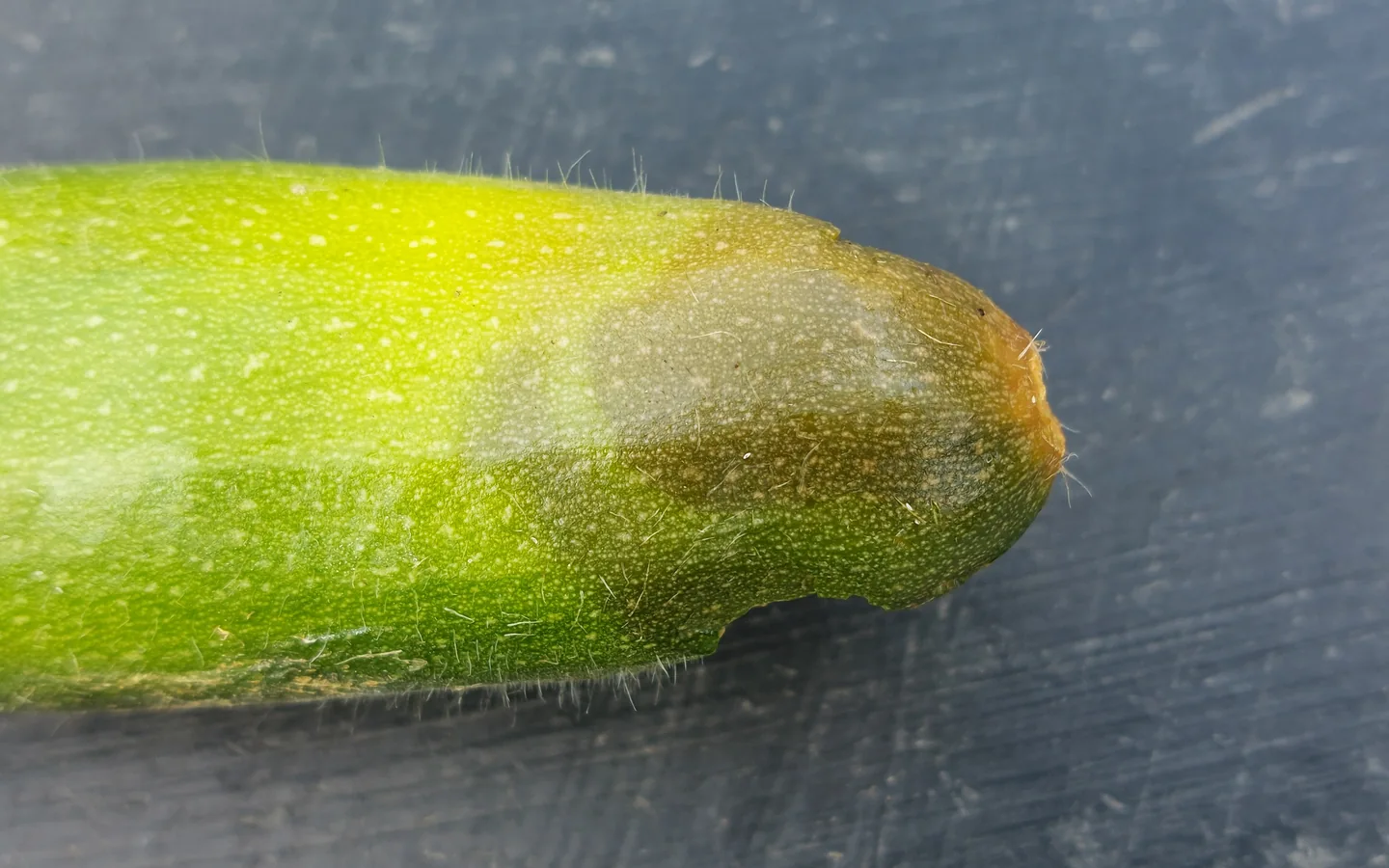
Diagnose tiny courgettes rotting before maturity, including poor pollination, cold weather, stressed plants and disease, with practical steps to rescue the crop.

Diagnose cucumbers turning yellow on the vine, from overripe fruit and yellow varieties to failed pollination, watering problems and leaf disease.
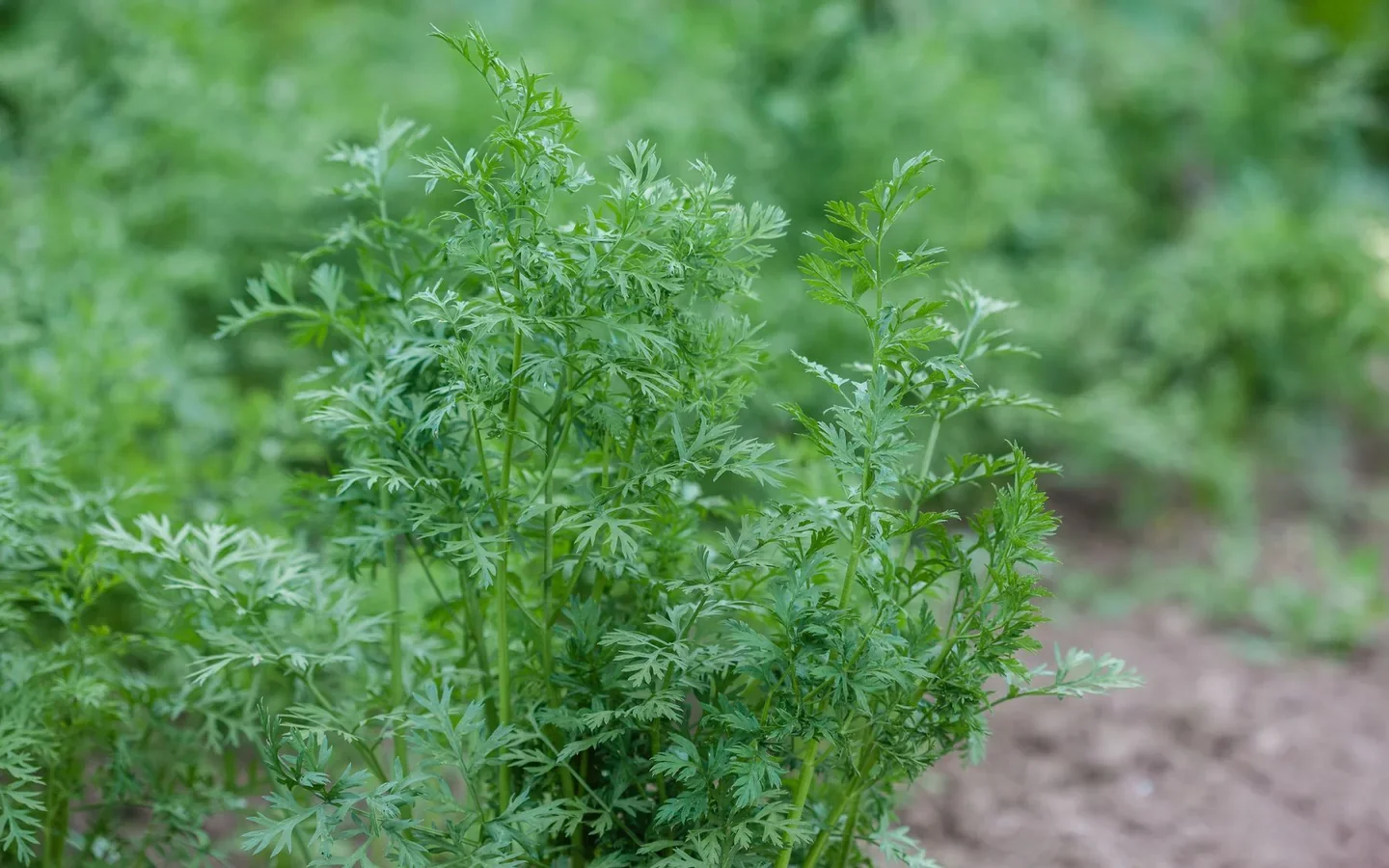
Carrots slow to germinate or growing only leaves? Diagnose cold soil, hard clay, crowding, drought, feeding, pests and forked roots with UK fixes.
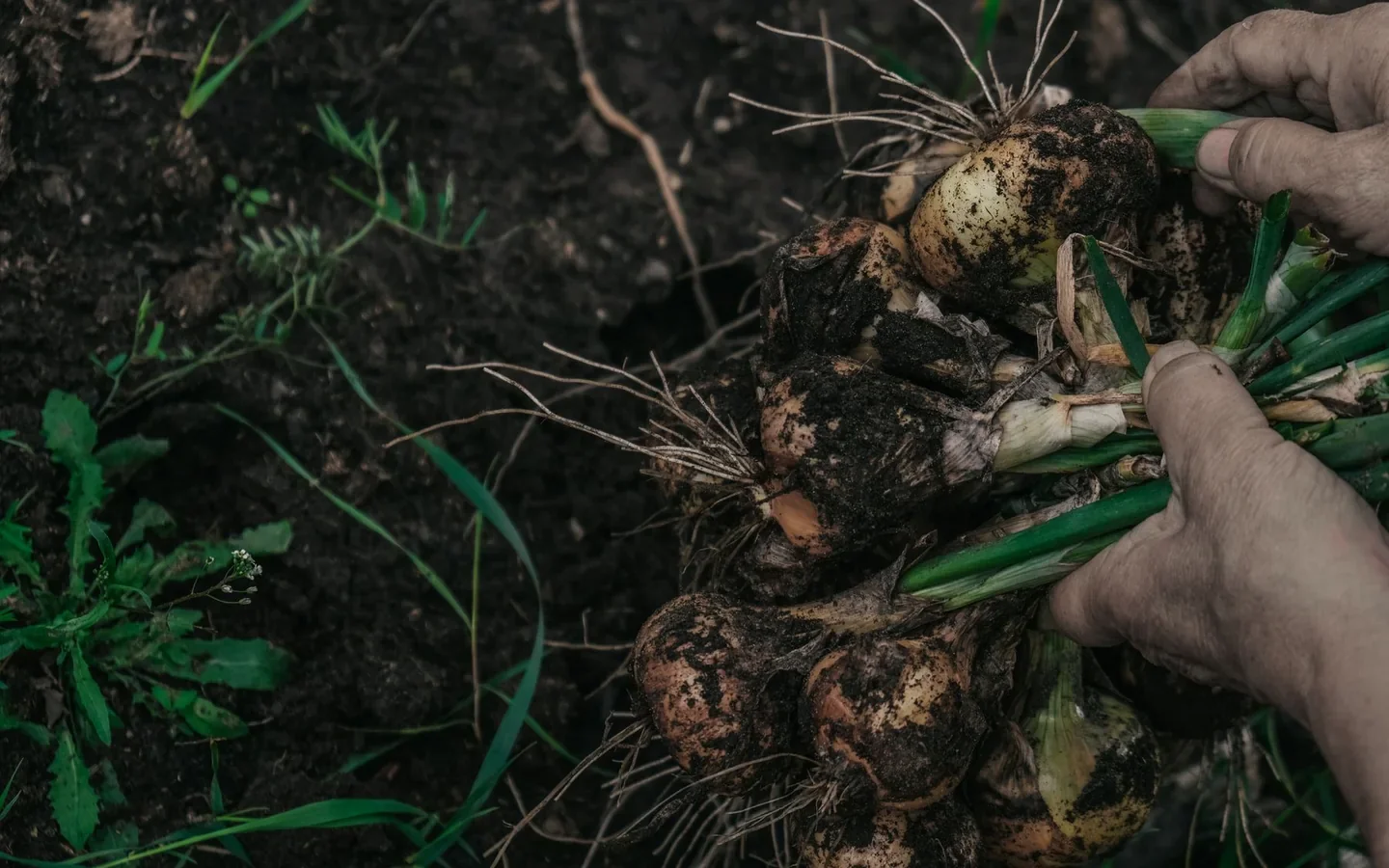
Small onions at harvest? Diagnose overcrowding, weeds, late planting, drought, variety and early bolting, with practical changes for larger UK onion crops.
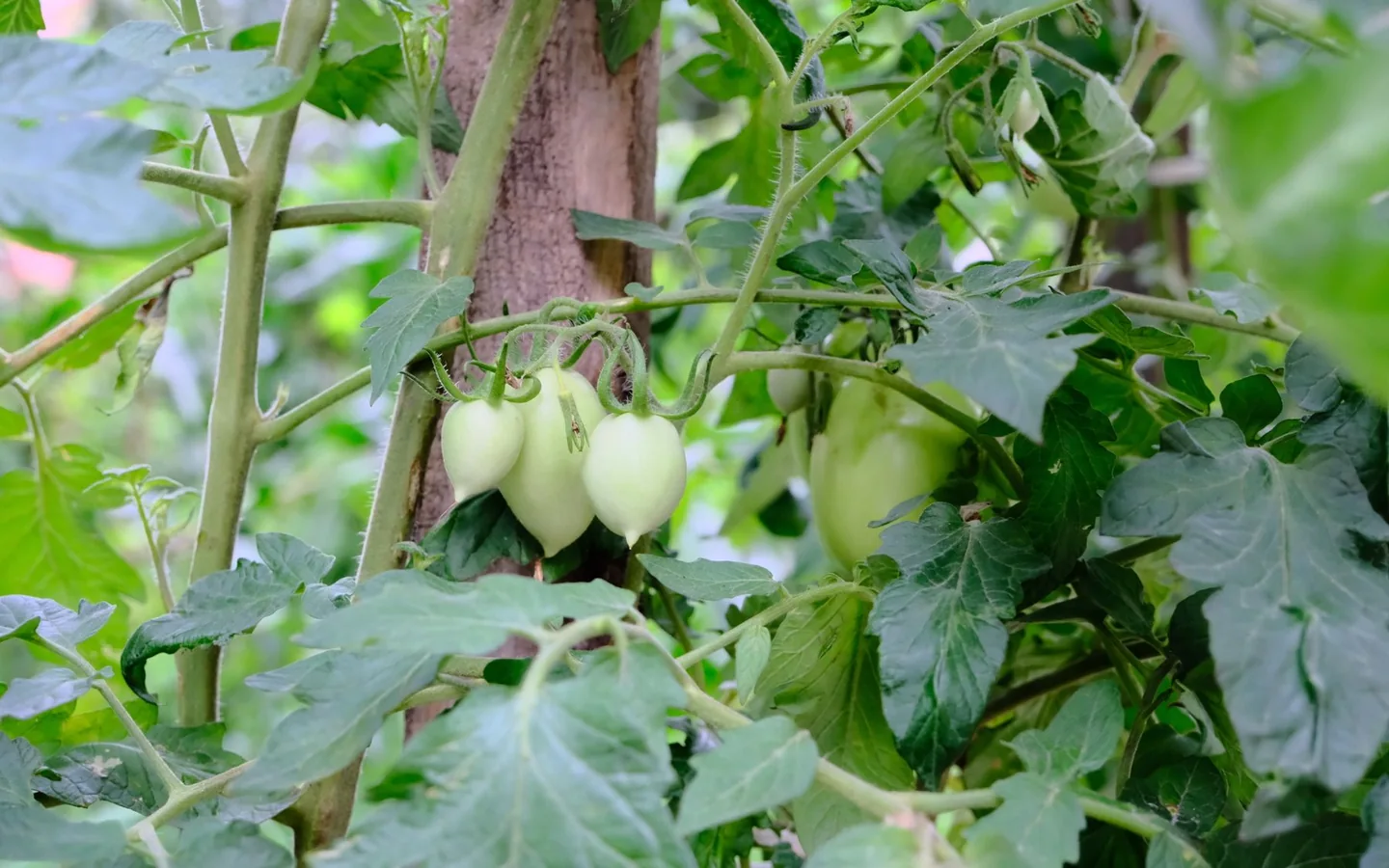
Find out why tomatoes stay green in UK gardens and greenhouses: heat, cold, low light and crop load, plus safe late-season indoor ripening methods.
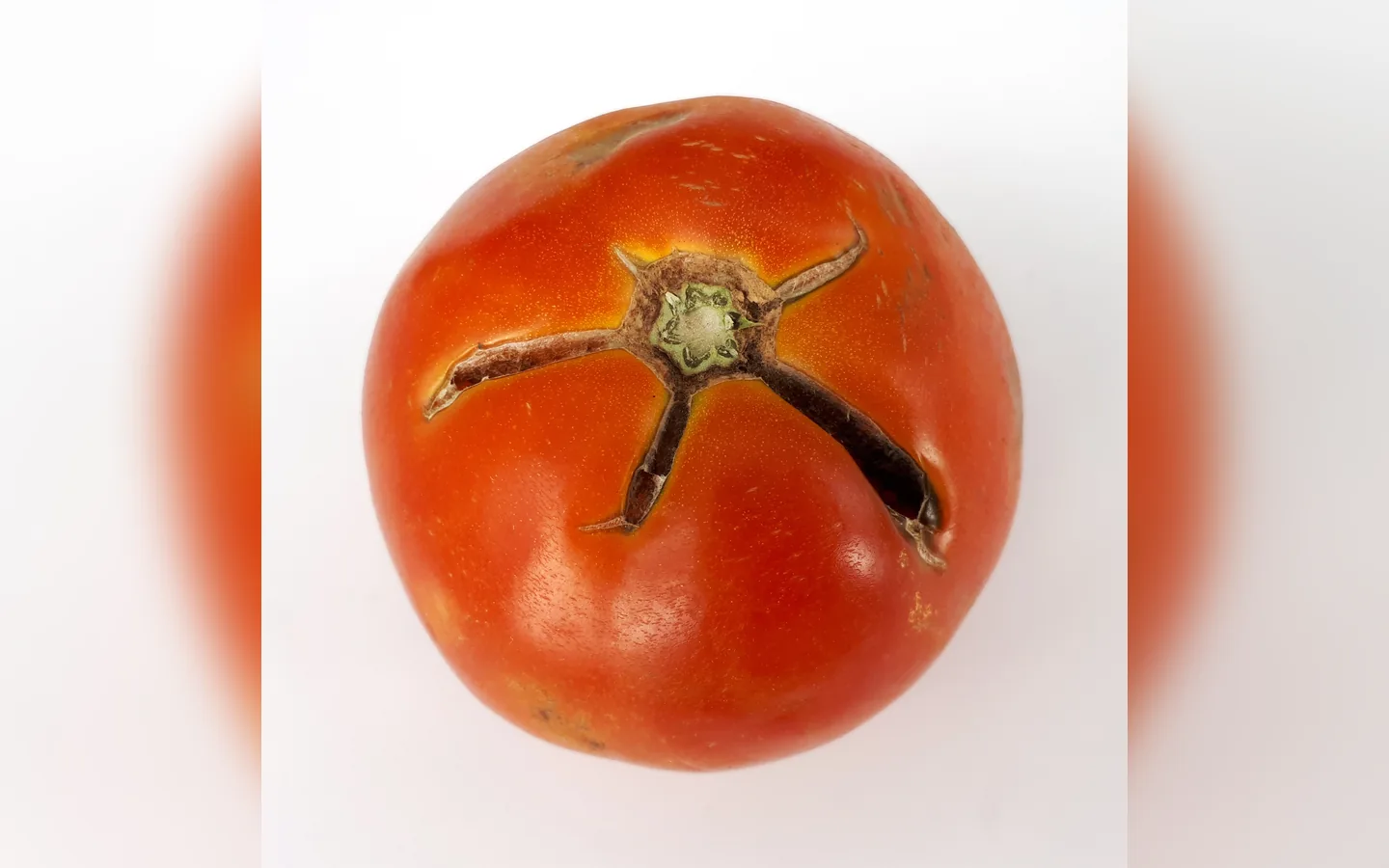
Learn why tomatoes crack on the vine, how watering and temperature swings affect fruit, whether cracked tomatoes are safe to eat and how to prevent splits.
Extra guides to help with quantities, beds, paving, ponds and garden planning.
Start here for an awkward outline or garden area that isn't a straightforward rectangle.

Sketch irregular lawns, measure curves and subtract sheds or other areas you're leaving uncovered.
Read guide →Preparing the ground and choosing seed or topdressing can matter more than the arithmetic.

Clear weeds, prepare the soil and level the ground before fresh turf arrives.
Read guide →
Decide whether the lawn needs new seed, overseeding or repair of a few bare patches.
Read guide →
Learn what a few millimetres of topdressing means in litres and when a hollow needs different treatment.
Read guide →Before buying soil or mulch, decide what the material needs to do and how deep to add it.

Choose a topsoil depth for the site and compare bulk delivery with smaller bags.
Read guide →
Check the usual depth of organic mulch and how much old material can be left in place.
Read guide →Pots and raised beds are three-dimensional spaces, often with more to consider than their outside dimensions.
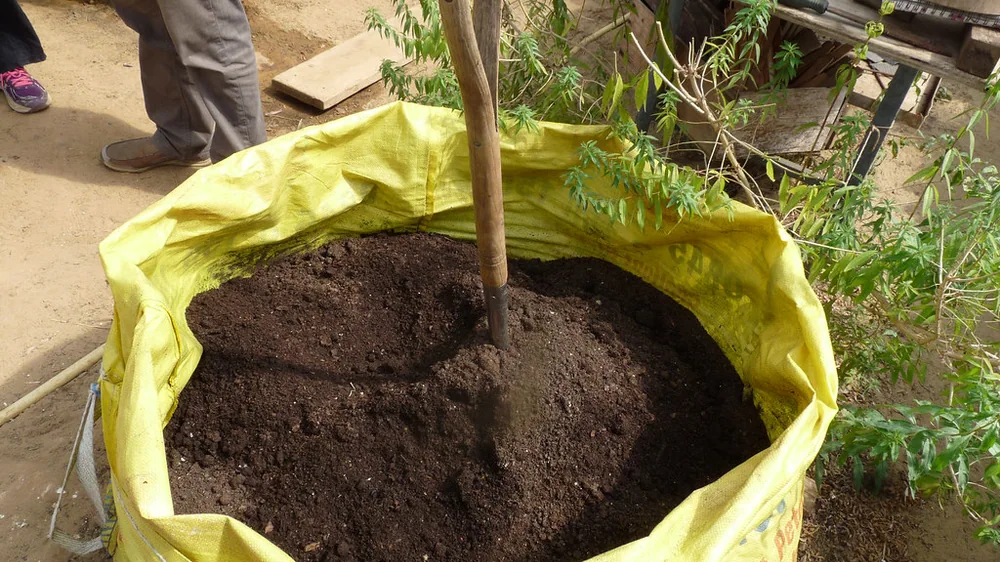
Measure the inside of a pot, allow for taper and work out how much fresh compost is needed.
Read guide →
Plan the fill inside a raised bed, including drainage, soil mix and settlement.
Read guide →Gravel planning starts by knowing the kind of surface you're building.

Compare depths for decorative gravel and paths before turning the volume into tonnes or bags.
Read guide →Paving needs a sensible allowance for the actual cutting and laying pattern.

Look at the shape of the patio, pattern and offcuts before choosing an extra percentage.
Read guide →Plant numbers depend on the mature size, planting pattern and edges of the space.
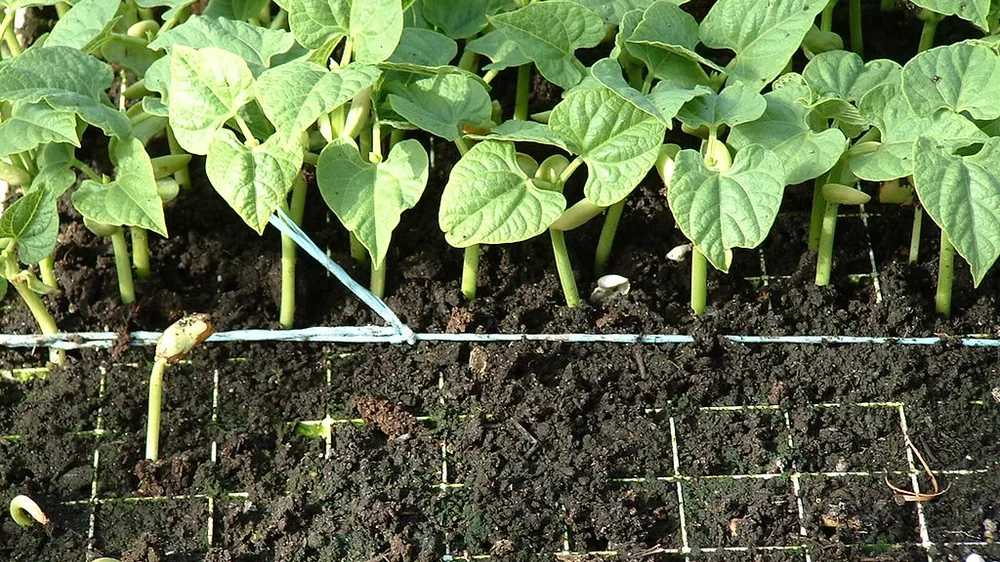
Choose centre spacing for perennials and compare straight rows with staggered planting.
Read guide →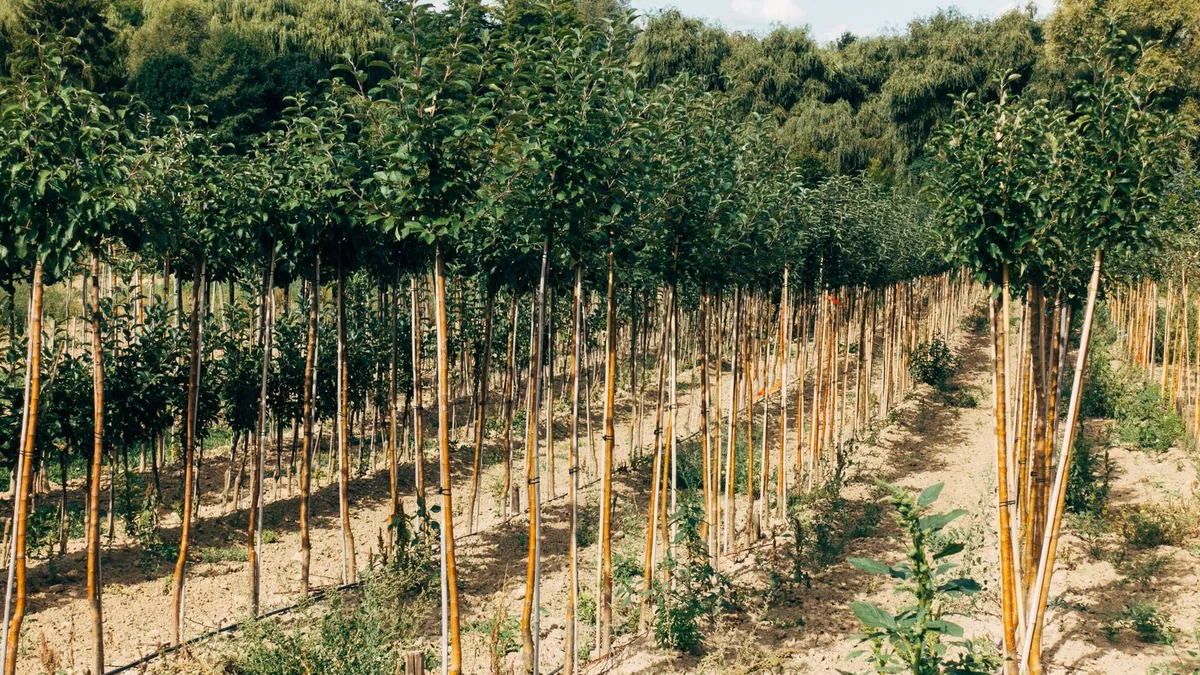
Count single and double hedge rows using the recommended spacing for the plants you've chosen.
Read guide →Pond volume and liner size use different measurements, especially where shelves change the depth.

Estimate pond litres and liner dimensions without mixing up average and maximum depth.
Read guide →Roof runoff and watering demand can be measured in litres, but storage and equipment still need planning.

Work out watering volumes and the runtime of a known hose or irrigation flow.
Read guide →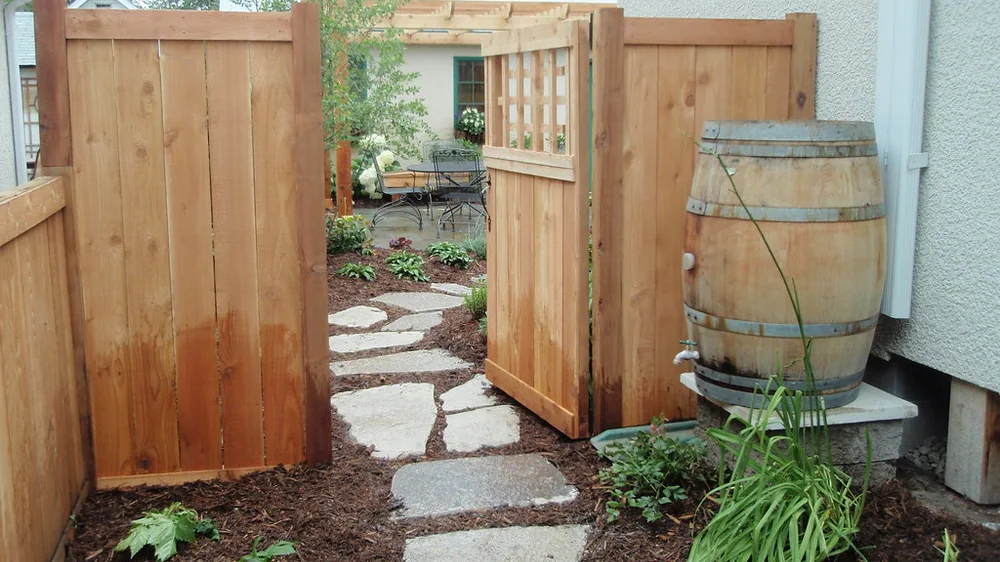
Choose water-butt capacity from the roof catchment, expected rainfall and the water you use.
Read guide →If you already know your measurements and product specifications, go straight to the corresponding calculator. Otherwise use the relevant guide to decide what to enter.